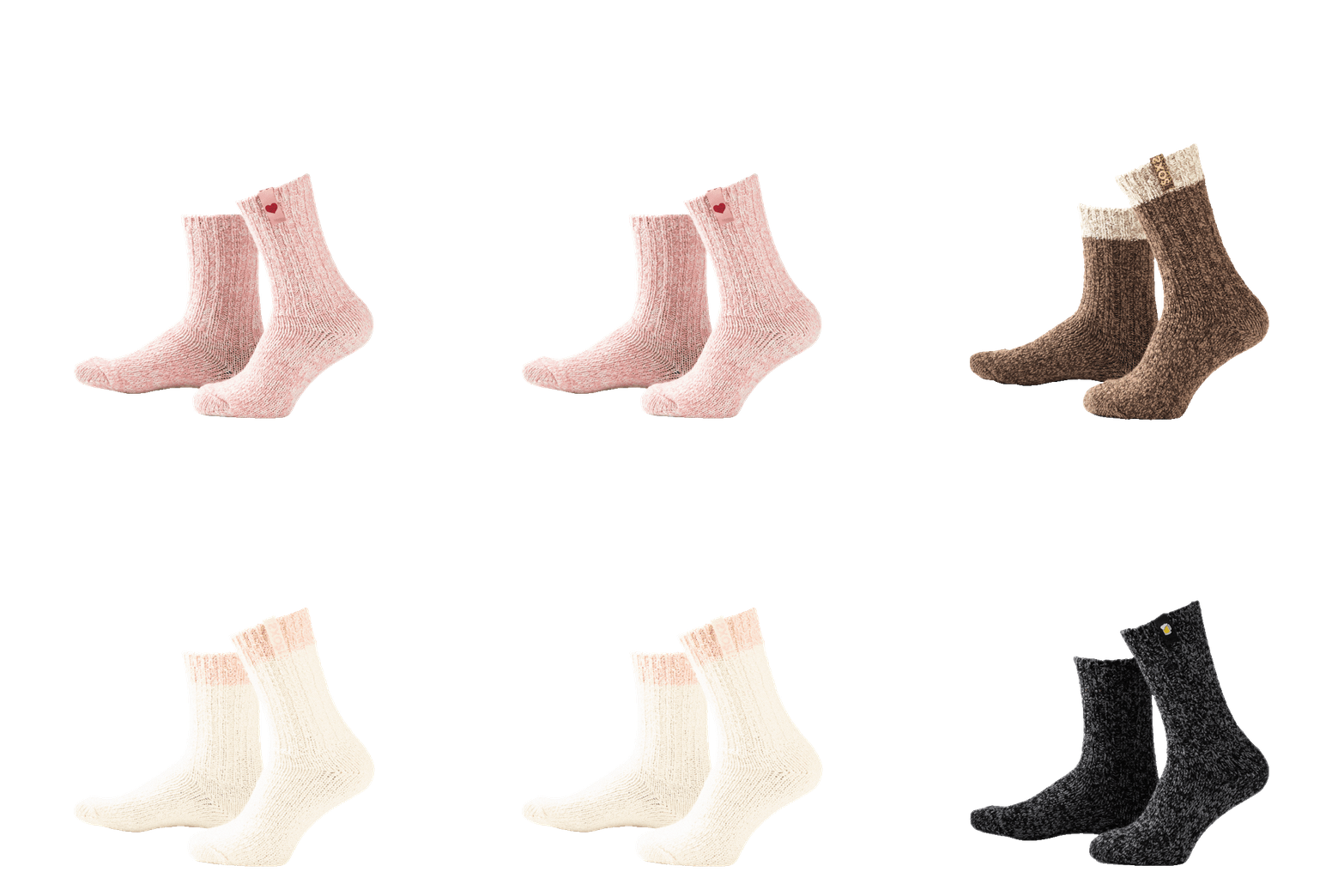
Soft warm premium wool socks
Gift ready, stylishly packaged
Orders placed before 1:00 PM will be shipped today (on weekdays) PLEASE NOTE: The delivery time of Pimp My Soxs is 5 working days!

You’ve probably heard that wool is too hot, too itchy, or too old-fashioned for modern athletic pursuits. These outdated assumptions couldn’t be further from the truth. Today’s athletes, from weekend warriors to professional competitors, are discovering what outdoor enthusiasts have known for centuries: wool for athletes offers unmatched performance benefits that synthetic materials simply can’t replicate.
Modern athletic wool, particularly merino wool, has evolved far beyond your grandfather’s scratchy jumper. It’s lightweight, soft, and engineered for performance. The shift towards natural athletic fabric isn’t just a trend but a response to wool’s scientifically proven advantages in moisture management, temperature control, and odour resistance that keep you comfortable during the most demanding activities.
Here’s where wool truly shines in athletic performance. Unlike synthetic materials that simply push moisture away from your skin, wool actually absorbs it while maintaining that dry feeling against your body. Wool moisture wicking works through the fibre’s unique structure and each wool fibre can absorb up to 30% of its weight in moisture without feeling wet or clammy.
This absorption capacity means that during intense exercise, your athletic wool socks or clothing won’t become saturated and uncomfortable like synthetic alternatives often do. The moisture gets trapped within the fibre structure rather than sitting on the surface, allowing air to continue flowing and keeping your skin dry.
What makes this even more impressive is wool’s ability to release this moisture gradually as conditions change. When you cool down after exercise, the fibres naturally release the stored moisture, helping regulate your body’s microclimate. This is why many athletes report feeling more comfortable in wool during varying intensity levels, from warm up through peak performance to cool down.
Wool acts as your body’s personal thermostat, and this wool temperature regulation is particularly valuable for athletes who face changing conditions. The secret lies in wool’s crimped fibre structure, which creates thousands of tiny air pockets that provide insulation when you’re cold and breathability when you’re warm.
During high-intensity activities, these same fibres allow excess heat to escape, preventing the overheating that’s common with synthetic materials. When you’re warming up or cooling down, wool’s insulating properties kick in to maintain your optimal body temperature. This dual action capability means you can wear the same merino wool sports gear across different seasons and activity levels.
This temperature adaptability is particularly beneficial for outdoor athletes who might start their activity in cool morning conditions but finish in warm afternoon sun. Rather than layering and unlayering synthetic pieces, wool adapts with you, maintaining comfort throughout your entire workout or competition.
One of wool’s most practical advantages for athletes is its natural antimicrobial properties. Wool odour resistance comes from the fibre’s protein structure and natural lanolin content, which create an environment that’s hostile to odour causing bacteria.
This means you can wear your athletic wool clothing multiple times between washes without the smell concerns that plague synthetic athletic wear. For athletes who train daily or travel frequently, this translates to packing fewer items and doing less laundry with practical benefits that extend beyond just performance.
The antimicrobial properties also contribute to better foot health for runners, cyclists, and other athletes who spend long hours in closed footwear. Athletic wool socks maintain a healthier environment inside your shoes, reducing the risk of fungal infections and other moisture related issues that can sideline your training.
Wool’s natural elasticity and softness provide crucial comfort benefits during long training sessions. The fibres naturally stretch and recover, moving with your body rather than restricting movement or creating pressure points that can lead to blisters or chafing.
This flexibility, combined with wool’s inherent softness, makes it ideal for high friction areas like feet during long runs or shoulders during heavy pack carrying. Wool performance benefits include maintaining this comfort even when the fabric becomes damp from perspiration, unlike synthetic materials that can become abrasive when wet.
From a durability standpoint, quality wool maintains its performance characteristics even after repeated use and washing. The natural resilience of wool fibres means your athletic wool clothing won’t lose its shape, moisture wicking ability, or temperature regulation properties over time. This longevity makes wool a smart investment for serious athletes who demand consistent performance from their gear.
Modern wool processing techniques have also eliminated the itchiness factor that once deterred athletes. Today’s merino wool feels soft against the skin while maintaining all the performance benefits that make it superior to synthetic alternatives.
The evidence is clear: wool offers athletes a combination of moisture management, temperature regulation, odour resistance, and comfort that synthetic materials struggle to match. These aren’t just theoretical benefits but translate into real performance advantages during training and competition.
Whether you’re looking for wool for exercise in challenging outdoor conditions or simply want the comfort of natural fibres during indoor workouts, wool adapts to your needs rather than forcing you to adapt to its limitations. The natural properties that have kept humans comfortable for thousands of years are just as relevant in today’s high performance athletic world.
SOXS provides the complete solution for athletes seeking superior wool performance through our expertly crafted merino wool athletic socks. Our products deliver all the benefits discussed in this article:
Ready to experience the difference that premium athletic wool can make in your performance? Explore our full range of merino wool athletic socks and discover why serious athletes choose SOXS for their most demanding training and competition needs.
Have you experienced the difference that natural wool can make in your athletic performance? Making the switch might just transform how you think about athletic comfort and functionality.
Start with one key piece like athletic socks or a base layer, as these provide the most noticeable benefits. Replace synthetic items as they wear out rather than all at once. Focus on pieces you use most frequently—if you run daily, prioritize wool running socks; if you do outdoor activities, start with a merino base layer.
Most modern athletic wool can be machine washed on a gentle cycle with cool water and wool-specific detergent. Avoid fabric softeners and bleach, and air dry instead of using the dryer. Check the care label, but many merino athletic pieces are designed to be low-maintenance despite being natural fibres.
Merino wool is much finer and softer than traditional wool, and many people with wool sensitivities can wear it comfortably. However, if you have a true wool allergy (not just sensitivity to coarse fibres), you should test a small area first or consult with your doctor before making the switch.
Absolutely. Wool’s moisture-wicking and temperature regulation properties actually make it ideal for high-intensity interval training where you’re constantly heating up and cooling down. The natural elasticity also moves with your body during dynamic movements, while the odour resistance is particularly valuable during intense gym sessions.
While the upfront cost of wool athletic wear is often higher, the durability and longevity typically make it more cost-effective long-term. Quality wool maintains its performance properties longer than synthetics, and the odour resistance means you can wear items more times between washes, extending their lifespan.
Quality athletic wool is pre-treated to prevent shrinkage and is designed to maintain its shape. The natural elasticity of wool fibres actually helps garments return to their original form. Following proper care instructions—cool water, gentle cycle, air drying—will preserve the fit and performance characteristics for years.