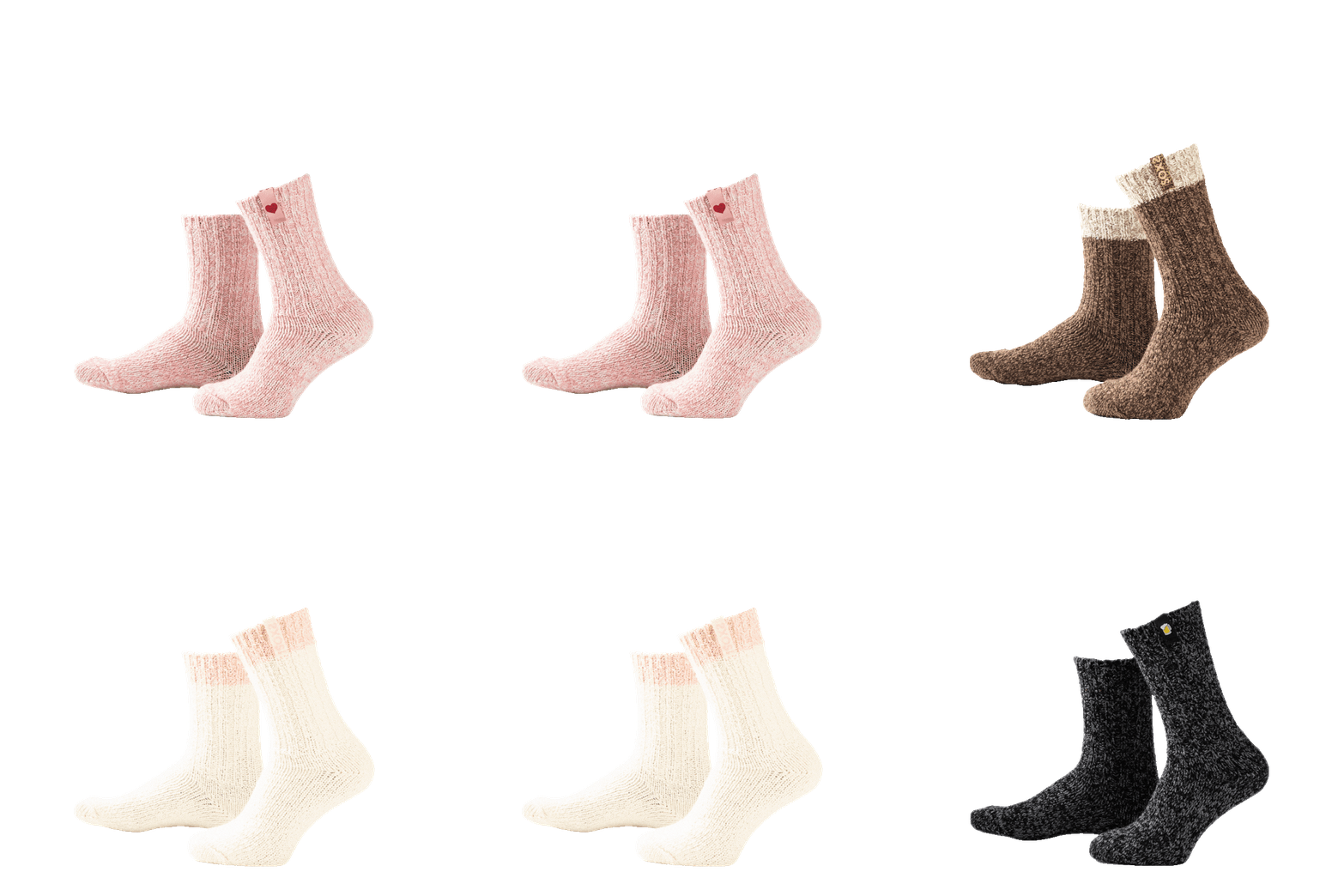
Soft warm premium wool socks
Gift ready, stylishly packaged
Orders placed before 1:00 PM will be shipped today (on weekdays) PLEASE NOTE: The delivery time of Pimp My Soxs is 5 working days!

Finding the right socks for breathability can make the difference between comfortable, dry feet and a sweaty, uncomfortable day. Whether you’re heading to the office, hitting the gym, or exploring the outdoors, breathable socks help regulate temperature and moisture to keep your feet feeling fresh. Understanding which materials and designs offer the best ventilation helps you choose socks that fit your lifestyle and activities.
Good sock ventilation isn’t just about comfort—it’s about foot health, preventing odors, and maintaining the right temperature throughout the day. Let’s explore the key factors that make socks breathable and discover which options deliver the best airflow for different situations.
Breathable socks allow air to flow through the fabric while wicking moisture away from your skin, creating a comfortable microclimate around your feet. This ventilation depends on the fiber structure, weave pattern, and material properties that enable air circulation and moisture transfer.
The science behind sock breathability lies in the fiber’s ability to move moisture from your skin to the outer surface, where it can evaporate. Natural fibers like wool have a unique structure with microscopic scales that create air pockets, allowing for excellent temperature regulation. The weave of the fabric also plays a role—looser weaves generally allow more airflow than tight, dense constructions.
Ventilation matters because your feet contain over 250,000 sweat glands and can produce up to a cup of moisture per day. Without proper airflow, this moisture gets trapped, creating an environment where bacteria thrive, leading to odors, discomfort, and potential skin issues like athlete’s foot and blisters.
Good ventilation also helps regulate temperature. When your feet overheat, blood vessels dilate to cool them down, which can cause swelling and discomfort. Breathable socks help maintain an optimal temperature, keeping your feet comfortable whether you’re in a heated office or tackling outdoor activities.
Merino wool stands out as a top material for sock ventilation, offering natural moisture-wicking properties and temperature regulation that works in all seasons. Unlike synthetic materials, wool can absorb up to 30% of its weight in moisture while still feeling dry against your skin.
The unique structure of merino wool fibers creates natural air pockets that insulate in cold weather and allow airflow in warm conditions. This makes wool socks incredibly versatile—they keep your feet warm when it’s cold and cool when it’s hot. The fiber’s natural antimicrobial properties also help prevent odor buildup, even during extended wear.
Cotton blends offer moderate breathability and work well for light activities, though they tend to retain moisture once saturated. Pure cotton can become heavy and stay damp, which is why many athletic socks blend cotton with synthetic fibers for improved moisture management.
Synthetic materials like polyester and nylon are engineered for quick moisture transfer and fast drying. These materials excel in high-intensity activities where rapid sweat removal is important. However, they may not provide the same natural temperature regulation as wool.
Bamboo fiber has gained popularity for its natural antimicrobial properties and smooth texture. While breathable, bamboo socks may not offer the same durability and temperature regulation as high-quality wool options.
Merino wool’s superior ventilation comes from its crimped fiber structure, which creates natural air channels. These microscopic spaces allow air to circulate, while the fiber’s ability to absorb and release moisture helps maintain a dry environment around your feet.
Mesh panel socks feature strategically placed sections of open-weave fabric that create additional ventilation zones, typically on the top of the foot or around the ankle. These panels use a looser knit pattern that allows maximum air circulation while maintaining structural integrity in high-wear areas.
The mesh construction works by creating direct pathways for air to flow in and out of the sock. Unlike solid fabric that relies solely on fiber properties for breathability, mesh panels provide physical openings that enhance airflow. This design is particularly effective for athletic activities where feet generate significant heat and moisture.
Most mesh panel socks combine the open-weave sections with more traditional knit areas in zones that need durability, such as the heel and toe. This hybrid approach maximizes ventilation while ensuring the sock can withstand regular wear and washing.
These socks work best for warm-weather activities, indoor workouts, or situations where maximum airflow is the priority. However, they may not provide the same warmth and protection needed for cold weather or outdoor activities where debris might enter through the mesh.
Mesh panel socks excel in running, cycling, gym workouts, and warm-climate activities where cooling is more important than insulation. They’re also popular for casual summer wear when you want maximum comfort in hot weather.
Moisture-wicking socks use specialized fibers and fabric constructions that actively move sweat away from your skin to the outer surface of the sock, where it can evaporate quickly. This process, called capillary action, pulls moisture through the fabric structure rather than allowing it to pool against your foot.
The wicking process works through the fiber’s surface tension and the fabric’s construction. Synthetic moisture-wicking materials are engineered with hydrophobic (water-repelling) inner surfaces and hydrophilic (water-attracting) outer surfaces. This creates a moisture gradient that naturally moves sweat outward.
Merino wool achieves moisture-wicking through a different mechanism. The wool fiber can absorb moisture into its core while keeping the surface relatively dry. As the fiber releases this moisture to the outside air, it creates a continuous cycle of absorption and evaporation that keeps your feet comfortable.
During high-intensity activities, effective moisture-wicking prevents the buildup of sweat that can lead to blisters, hot spots, and discomfort. By keeping the skin surface dry, these socks reduce friction and maintain a more stable environment inside your shoes.
The speed of moisture transfer varies by material and construction. Synthetic materials typically move moisture faster but may retain odors. Natural fibers like merino wool may move moisture more gradually but offer superior odor resistance and temperature regulation throughout the process.
For high-intensity activities, look for synthetic blends that prioritize rapid moisture transfer. For all-day comfort and versatility, merino wool provides excellent moisture management with natural temperature regulation and odor resistance.
When choosing breathable socks, consider your specific needs and activities. Whether you prioritize rapid moisture transfer, natural temperature regulation, or maximum airflow, understanding these different approaches to sock ventilation helps you find the perfect pair for any situation. At SOXS, we craft our merino wool socks to deliver exceptional breathability and moisture management, ensuring your feet stay comfortable and fresh throughout whatever your day brings.