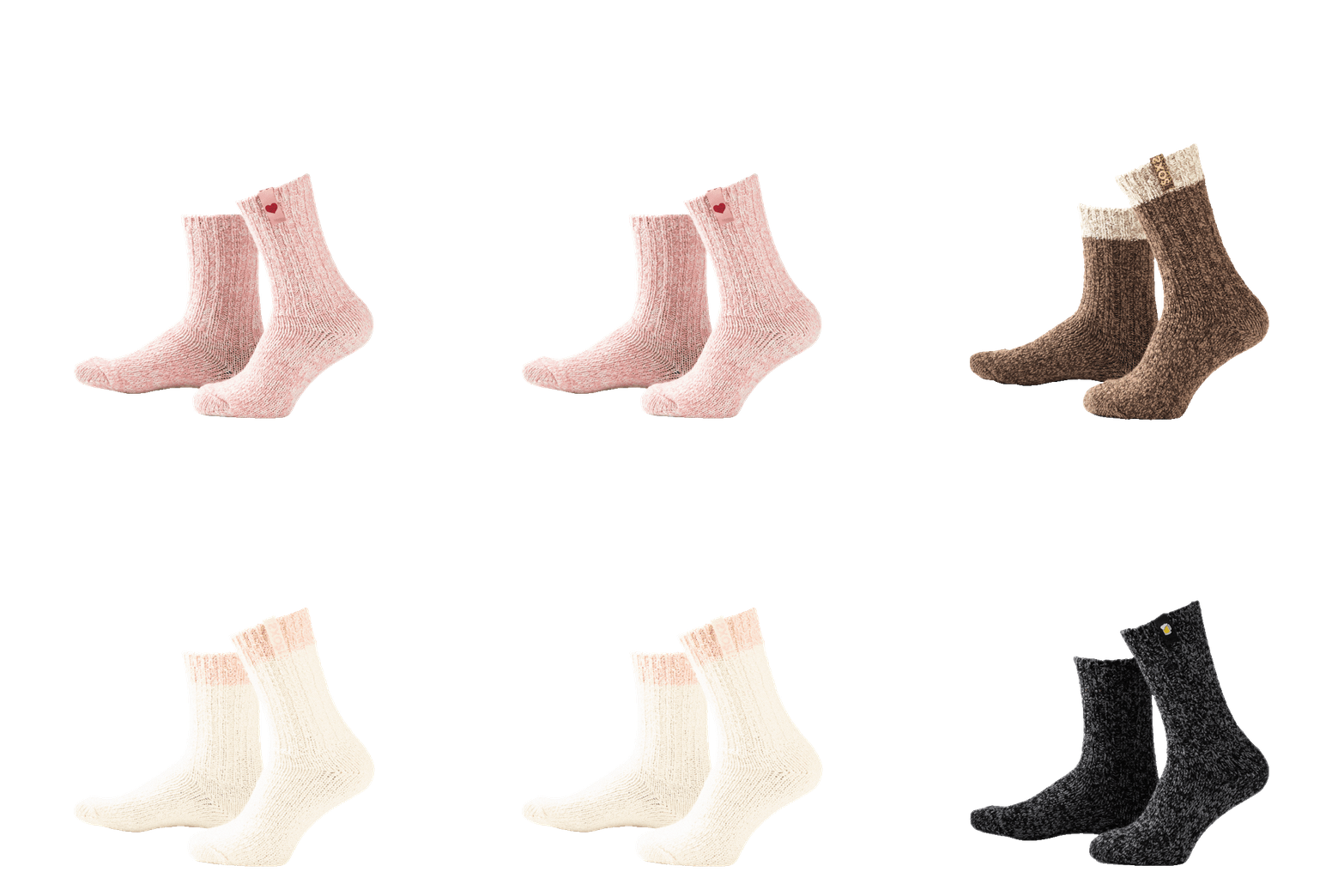
Soft warm premium wool socks
Gift ready, stylishly packaged
Orders placed before 1:00 PM will be shipped today (on weekdays) PLEASE NOTE: The delivery time of Pimp My Soxs is 5 working days!

You might think wool is just for winter jumpers your grandmother knitted, but this remarkable natural fibre offers surprising advantages that extend far beyond keeping you warm. Modern wool products, especially those made from premium merino wool, provide unexpected benefits that can transform your daily comfort and lifestyle. From naturally fighting odours to adapting to your body temperature like a personal thermostat, wool deserves serious consideration for your everyday wardrobe.
These aren’t the scratchy, uncomfortable wool products of the past. Today’s wool innovations deliver luxury comfort whilst maintaining all the natural properties that make this fibre extraordinary. Whether you’re looking for better moisture management, improved durability, or simply want to make more sustainable choices, understanding wool’s hidden benefits will change how you think about this ancient yet cutting-edge material.
Unlike synthetic materials that trap bacteria and create unpleasant smells, wool possesses natural antimicrobial properties that keep your items fresh for days. The secret lies in wool’s protein structure and the presence of lanolin, a waxy substance that naturally resists bacterial growth. This means you can wear wool products multiple times before washing without worrying about offensive odours.
The fibre’s unique crimped structure creates tiny air pockets that prevent bacteria from settling and multiplying. This natural defence system works continuously, providing odour resistance that synthetic treatments simply cannot match. You’ll find this particularly valuable in wool socks, where moisture and warmth typically create perfect conditions for bacterial growth.
This antimicrobial action happens without any chemical treatments or synthetic additives. The wool does all the work naturally, making it an ideal choice for people with sensitive skin or those who prefer avoiding artificial substances in their clothing.
Wool can absorb up to 30% of its weight in moisture without feeling damp against your skin. This remarkable moisture-wicking ability stems from the fibre’s internal structure, which draws sweat away from your body and releases it into the air. Unlike cotton, which becomes soggy and uncomfortable when wet, wool maintains its insulating properties even when damp.
The crimped wool fibres create a natural pumping action that moves moisture from the inside of the garment to the outside surface, where it evaporates quickly. This process keeps your skin dry and comfortable, preventing the clammy feeling you get with synthetic materials. For active individuals or those who spend long hours on their feet, this moisture management proves invaluable.
This moisture-wicking property works in both directions. When humidity levels drop, wool can actually release moisture back to your skin, helping maintain optimal comfort levels throughout changing conditions.
Contrary to popular belief, wool doesn’t just provide warmth but actively cools you down when temperatures rise. The same crimped fibre structure that traps warm air in cold conditions allows for excellent airflow when you need cooling. This breathability prevents overheating and helps regulate your body temperature naturally.
Merino wool, in particular, excels at temperature regulation because its fibres are finer than traditional wool, creating better airflow whilst maintaining insulating properties. The natural crimping allows air to circulate freely, creating a cooling effect similar to a sophisticated ventilation system built right into the fabric.
This cooling effect becomes particularly noticeable during physical activity or in warm indoor environments. Your wool garments adapt to your body’s needs, providing natural climate control that synthetic materials struggle to match. Many people discover they can wear wool comfortably year-round, not just during the winter months.
Wool fibres possess natural elasticity that allows them to stretch up to 30% of their original length and still return to their original shape. This resilience means wool garments maintain their fit and appearance even after repeated wear and washing. The protein structure of wool creates a spring-like quality that resists permanent creasing and stretching.
This elasticity proves particularly valuable in items that experience regular stress, such as socks or fitted garments. The fibres bend and flex with your movement, then bounce back to their original position. This natural resilience extends the life of your wool items significantly compared to cotton or synthetic alternatives that lose their shape over time.
The crimped structure of wool fibres acts like thousands of tiny coil springs, providing lasting durability and shape retention. This means your wool items look newer for longer, maintaining their professional appearance and comfortable fit through countless wear cycles.
Wool provides natural sun protection with an ultraviolet protection factor (UPF) rating that surpasses many synthetic fabrics. The protein structure of wool fibres naturally absorbs UV radiation, protecting your skin from harmful rays without requiring chemical treatments or synthetic additives.
The natural crimp and thickness of wool fibres create a physical barrier that blocks UV penetration more effectively than smooth synthetic materials. This protection remains consistent throughout the garment’s lifetime, unlike chemical UV treatments that can wash out over time. The darker the wool colour, the higher the protection level becomes.
This built-in sun protection makes wool garments ideal for outdoor activities where UV exposure poses a concern. You get natural protection without the need for chemical-laden fabrics or constant reapplication of topical sun protection products on covered areas.
Wool’s protein-based fibre structure naturally repels many stains that would permanently mark cotton or synthetic materials. The outer layer of each wool fibre, called the cuticle, has a waxy coating that prevents liquids from immediately penetrating the fibre core. This gives you precious time to clean spills before they become permanent stains.
The complex protein structure of wool also means that many substances that readily bind to plant-based fibres like cotton simply don’t adhere as strongly to wool. Oil-based stains, in particular, have difficulty penetrating wool’s natural defences, making cleanup easier and more successful.
This stain resistance extends the life of your wool garments and reduces the need for harsh cleaning chemicals. Simple spot cleaning often suffices for minor spills, and many stains that would ruin other fabrics can be successfully removed from wool with gentle treatment. This natural protection saves both time and money in garment care.
High-quality merino wool feels incredibly soft against sensitive skin, dispelling the myth that all wool is scratchy and uncomfortable. Modern wool processing techniques and the use of finer fibres create garments that feel luxuriously smooth, even for people with skin sensitivities or conditions like eczema.
Wool’s natural pH level closely matches that of human skin, reducing the likelihood of irritation or allergic reactions. The fibre’s ability to regulate temperature and moisture also prevents the hot, sweaty conditions that can trigger skin problems. Many people with sensitive skin find wool more comfortable than synthetic materials that can cause irritation through static or chemical treatments.
The natural lanolin in wool provides additional skin benefits, offering mild moisturising properties that can actually improve skin condition with regular wear. This makes wool particularly valuable for people who experience dry skin or irritation from other fabric types. The skin-friendly properties of quality wool make it suitable for direct skin contact in any season.
Quality wool garments can last decades with proper care, far outlasting cotton or synthetic alternatives. The natural strength of wool fibres, combined with their elasticity and resistance to wear, creates garments that improve with age rather than deteriorate. This longevity makes wool an excellent investment despite higher initial costs.
Wool’s natural resistance to odours, stains, and wrinkles means less frequent washing and cleaning, which extends garment life significantly. The fibre’s ability to bounce back from stretching and wear means wool items maintain their appearance and function long after other materials would need replacement.
The protein structure of wool actually becomes more comfortable over time as the fibres soften with gentle use and proper care. This means your wool investment continues to provide increasing value throughout its extended lifespan, making it one of the most cost-effective fabric choices available.
Wool stands out as one of the most environmentally friendly fibre choices available. As a renewable resource that grows continuously on sheep, wool production doesn’t deplete natural resources like petroleum-based synthetic fibres do. Ethically sourced wool from farms practising sustainable agriculture creates a positive environmental cycle.
When wool garments reach the end of their long lifespan, they biodegrade naturally, returning nutrients to the soil rather than contributing to landfill waste. This contrasts sharply with synthetic materials that can take hundreds of years to decompose, if they break down at all.
The production process for wool requires significantly less energy than synthetic fibre manufacturing, and the natural properties of wool eliminate the need for chemical treatments that can harm waterways and ecosystems. Choosing sustainable wool supports farming practices that often enhance rather than damage local environments through responsible land management.
Wool functions like a natural thermostat, automatically adjusting to maintain optimal body temperature in varying conditions. When you’re cold, the crimped fibres trap warm air close to your skin. When you warm up, the same structure allows excess heat and moisture to escape, preventing overheating.
This temperature adaptation happens continuously and automatically, responding to changes in your activity level, the ambient temperature, and humidity levels. The fibre’s ability to absorb and release moisture plays an important role in this process, as the evaporation of moisture creates a cooling effect when needed.
This thermoregulation property makes wool ideal for activities where temperature varies, such as hiking, travelling, or working in changing environments. You don’t need to constantly add or remove layers because your wool garments adapt automatically to keep you comfortable throughout temperature fluctuations.
Wool possesses inherent flame-resistant properties that provide safety benefits without chemical treatments. The protein structure of wool fibres requires higher temperatures to ignite compared to plant-based or synthetic fibres, and wool tends to char rather than melt when exposed to extreme heat.
When wool does encounter flame, it burns slowly and often self-extinguishes when the heat source is removed. Unlike synthetic materials that can melt and stick to skin, wool maintains its fibre structure even when damaged by heat, reducing the risk of severe burns.
This natural flame resistance makes wool particularly valuable for sleepwear, children’s clothing, and garments worn in environments where fire safety is a concern. The built-in protection provides peace of mind without the need for chemical flame retardants that may pose health concerns.
Unlike synthetic materials that degrade and become rougher with washing, properly cared-for wool actually becomes softer and more comfortable over time. The gentle agitation of proper wool washing helps relax the fibres and remove any remaining processing chemicals, revealing the natural softness of the wool.
The key lies in using appropriate washing techniques with cool water, gentle detergents designed for wool, and minimal agitation. This careful treatment allows the natural properties of wool to develop fully, creating garments that feel more luxurious with each wear.
The lanolin naturally present in wool helps condition the fibres during washing, contributing to the increasing softness. This means your wool investment continues to provide improving comfort throughout its lifetime, making each item more valuable as it ages gracefully.
These twelve remarkable properties demonstrate why wool remains unmatched among natural and synthetic fibres. From its natural antimicrobial action to its environmental benefits, wool offers a combination of comfort, performance, and sustainability that synthetic alternatives struggle to replicate.
The beauty of wool lies in how these benefits work together synergistically. The same fibre structure that provides temperature regulation also contributes to odour resistance and durability. The natural properties that make wool comfortable also make it environmentally responsible.
SOXS transforms these remarkable wool benefits into exceptional daily comfort through our premium merino wool products. Our carefully crafted collection harnesses all twelve natural advantages of wool to deliver unmatched performance and luxury.
Here’s how SOXS maximises wool’s potential for your everyday comfort:
We at SOXS have experienced firsthand how these wool benefits transform daily comfort. Our premium merino wool products showcase these natural advantages, providing the warmth, comfort, and quality that make every step a pleasure. When you choose quality wool products, you’re not just buying clothing but investing in comfort, sustainability, and the remarkable properties that only nature can provide. Discover the difference premium wool makes and experience unparalleled comfort with SOXS today.
Wash wool items in cool water (30°C or below) using a wool-specific detergent, and avoid wringing or aggressive agitation. Hand washing or using your machine’s wool cycle works best. Always lay flat to dry away from direct heat or sunlight, and store with cedar blocks or lavender sachets to prevent moths whilst maintaining freshness.
Yes, high-quality merino wool is generally excellent for sensitive skin due to its fine fibres and natural pH balance that matches human skin. However, if you’ve had reactions to traditional wool, start with a small test area first. The key is choosing premium merino wool products rather than coarser wool varieties that can cause irritation.
Thanks to wool’s natural odour-resistant and stain-repelling properties, you can typically wear wool items 3-5 times before washing, compared to cotton which usually needs washing after each wear. Simply air out wool garments between wears to refresh them naturally. This reduced washing frequency actually extends the garment’s lifespan significantly.
Merino wool comes from merino sheep and features much finer fibres (typically 18-24 microns) compared to regular wool (25+ microns). This makes merino wool softer, less itchy, and better at temperature regulation whilst maintaining all of wool’s natural benefits. Merino is ideal for base layers and direct skin contact, whilst regular wool works well for outer garments.
While wool has higher upfront costs, its exceptional durability, reduced washing needs, and improving comfort over time make it more economical long-term. Quality wool garments can last 10-20+ years with proper care, compared to 2-5 years for synthetic alternatives. Factor in the reduced replacement costs and environmental benefits, and wool often proves the better investment.
Absolutely! Lightweight merino wool excels in warm weather due to its superior breathability and moisture-wicking properties. Choose thinner wool fabrics and lighter colours for hot conditions. Many outdoor enthusiasts prefer wool base layers even in summer because it keeps them cooler and more comfortable than synthetic alternatives during active pursuits.
For stubborn stains, try spot-cleaning with a wool-safe detergent before washing the entire garment. For persistent odours, soak the item in cool water with white vinegar (1:10 ratio) for 30 minutes before washing normally. If problems persist, consider professional cleaning services that specialise in wool, as they have access to specialised treatments that won’t damage the fibres.