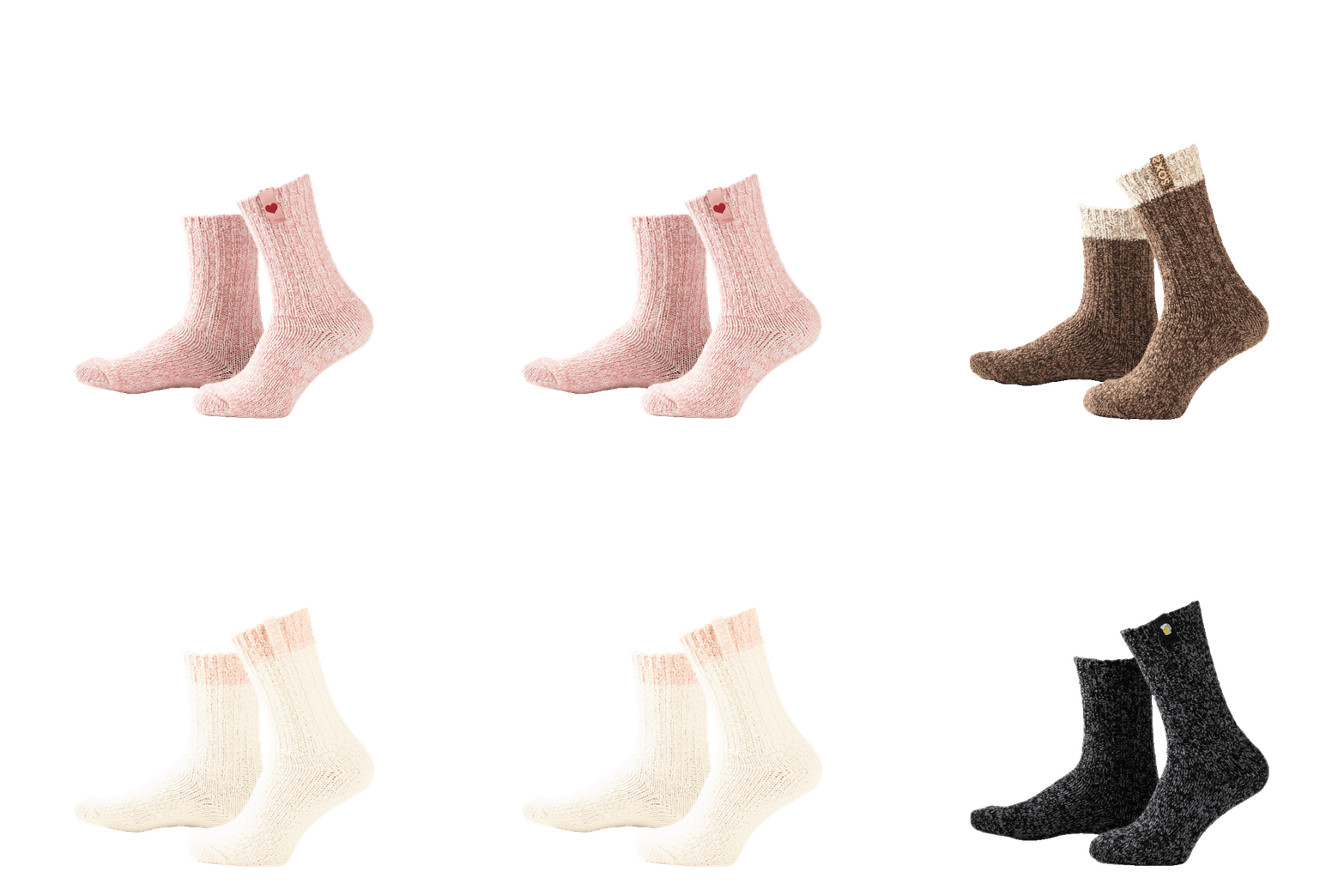
Soft warm premium wool socks
Gift ready, stylishly packaged
Orders placed before 1:00 PM will be shipped today (on weekdays) PLEASE NOTE: The delivery time of Pimp My Soxs is 5 working days!

Your heart works tirelessly every day, pumping blood through your entire body. But did you know that what you put on your feet can actually support this vital organ? The connection between proper footwear choices and cardiovascular health might surprise you. When you choose the right socks, you’re not just keeping your feet comfortable – you’re supporting healthy blood circulation and reducing unnecessary strain on your cardiovascular system.
Many people with heart conditions experience circulation issues, swelling, and temperature regulation problems that can make everyday comfort a challenge. The good news is that specially designed socks can address these concerns while providing the comfort and support your body needs.
Your circulatory system works against gravity to move blood from your feet back up to your heart. When you have heart problems, this process becomes even more challenging. Proper sock selection can significantly improve blood flow from your extremities, reducing the workload on your cardiovascular system.
Quality socks made from materials like merino wool naturally support circulation without constricting blood vessels. The gentle, consistent pressure from well-fitted socks helps encourage blood flow upward, while breathable materials prevent the stagnation that can occur with poor-quality synthetic fabrics.
Think of your socks as the foundation of your circulatory support system. When blood flows more efficiently from your feet, your heart doesn’t have to work as hard to maintain proper circulation throughout your body.
Swelling in the feet and ankles is a common concern for people with heart conditions. This happens when your heart struggles to pump blood effectively, causing fluid to accumulate in your lower extremities. Graduated compression socks can help prevent this uncomfortable and potentially dangerous buildup.
These specially designed socks apply gentle, consistent pressure that’s strongest at the ankle and gradually decreases up the leg. This design helps push fluid back toward your heart, reducing swelling and the burden on your cardiovascular system.
The key is finding socks with the right level of compression – enough to provide support without being so tight that they create new circulation problems. Many people find that even light compression makes a noticeable difference in their daily comfort levels.
Your body expends considerable energy maintaining proper temperature, and this process can put additional strain on your heart. When your feet are too hot or too cold, your cardiovascular system has to work harder to regulate your overall body temperature.
Moisture-wicking sock materials help maintain optimal foot temperature by drawing sweat away from your skin and allowing it to evaporate. Natural fibres like merino wool excel at this, keeping your feet warm when it’s cold and cool when it’s warm – a process called thermoregulation.
This temperature stability reduces cardiovascular stress and helps your heart maintain a steady, efficient rhythm. When your body isn’t fighting temperature extremes, your heart can focus on its primary job of pumping blood effectively.
Every step you take sends impact forces up through your body, and these forces can contribute to overall physical stress that affects your cardiovascular system. Proper cushioning in your socks helps absorb some of this impact before it travels up your legs.
Quality socks with strategic cushioning zones protect pressure points on your feet while providing support where you need it most. This reduces the physical stress and strain that can accumulate throughout the day and potentially affect your heart function.
The cushioning also improves overall comfort, which can encourage more physical activity – something that’s beneficial for heart health when done appropriately and under medical guidance.
Traditional sock seams can create pressure points that restrict blood flow, which is particularly problematic for people with heart conditions who may already have compromised circulation. Seamless or flat-seam construction eliminates these potential problem areas.
These design features ensure that your socks provide consistent, even contact with your feet without creating spots where blood flow might be restricted. This is especially important for people with heart conditions, diabetes, or other circulation-related health concerns.
The smooth, even surface also reduces friction and irritation, making it more comfortable to wear socks for extended periods – important for maintaining consistent circulation support throughout the day.
When your feet stay damp, you create an environment where bacteria and fungi can thrive. Infections might seem like a minor concern, but they actually place additional stress on your immune system and, by extension, your cardiovascular system.
Advanced moisture-wicking properties in specially designed socks help keep your feet dry and healthy. Materials like merino wool naturally resist odour-causing bacteria while moving moisture away from your skin.
By preventing infections and reducing the inflammatory response they cause, proper moisture management helps keep your immune system from diverting resources that your heart needs to function optimally.
The height of your socks can affect their ability to support circulation and heart health. Here’s how different heights compare:
Ankle socks provide basic foot protection and are suitable for mild circulation support. They’re comfortable for daily wear but offer limited compression benefits.
Crew socks extend higher up the leg and can provide better circulation support, especially if they feature graduated compression. They’re often the sweet spot for people seeking both comfort and cardiovascular benefits.
Knee-high socks offer the most comprehensive circulation support and are often recommended for people with more significant heart-related circulation issues. However, they must fit properly to avoid creating constriction at the top.
Natural fibres, particularly merino wool, provide an ideal combination of breathability, temperature regulation, and support for people with heart conditions. Unlike synthetic materials that can trap heat and moisture, natural wool fibres adapt to your body’s needs.
Merino wool is naturally antimicrobial, helping prevent the bacterial growth that can lead to infections and additional immune system stress. It also maintains its supportive properties even when slightly damp, unlike cotton, which loses its insulating properties when wet.
The breathability of natural materials helps prevent the overheating that can put additional strain on your cardiovascular system, while still providing the warmth and comfort your feet need.
Even the best socks won’t help your heart health if they don’t fit properly. Socks that are too tight can restrict circulation, while socks that are too loose can bunch up and create pressure points.
Correctly sized socks should fit snugly without being tight, with no bunching or sliding. The toe area should have enough room to prevent cramping, while the heel should sit properly without gaps.
For people with heart conditions, it’s especially important to avoid socks with tight elastic bands around the calf or ankle, as these can impede the very circulation you’re trying to support.
Chronic inflammation can worsen heart conditions and put additional stress on your cardiovascular system. Socks with natural antimicrobial properties help prevent the bacterial and fungal growth that can lead to infections and inflammatory responses.
Merino wool naturally resists odour-causing bacteria without the need for chemical treatments. This natural antimicrobial action helps keep your feet healthier and reduces the risk of infections that could compromise your overall health.
By maintaining better foot hygiene with less effort, antimicrobial socks help you avoid the inflammatory responses that can negatively impact heart health.
Heart health is a long-term commitment, and your socks should be too. High-quality socks maintain their supportive properties wash after wash, providing consistent benefits for your cardiovascular wellness over time.
Durable construction means your socks won’t lose their shape, compression, or moisture-wicking abilities quickly. This consistent performance ensures that you continue to receive the circulation and comfort benefits that support your heart health.
Quality socks are an investment in your ongoing wellness, providing reliable support that you can count on day after day.
Managing heart health often involves multiple daily considerations, so your socks shouldn’t add complexity to your routine. Easy-care materials and construction make it simple to maintain multiple pairs, ensuring you always have clean, supportive socks available.
Merino wool socks are naturally odour-resistant, meaning they don’t need to be washed after every wear. When you do wash them, they maintain their properties and shape better than many synthetic alternatives.
Having several pairs of quality socks makes it easy to maintain consistent daily support for your heart health without worrying about laundry schedules or sock availability.
Supporting your heart health doesn’t always require dramatic lifestyle changes. Sometimes, it’s the small, consistent choices that make the most significant impact over time. Choosing the right socks is one of these simple yet effective steps you can take.
From improved circulation and reduced swelling to better temperature regulation and infection prevention, the right socks provide multiple benefits that support your cardiovascular wellness. These advantages work together to reduce the daily stresses on your heart and help it function more efficiently.
SOXS provides the perfect solution for supporting your cardiovascular health through expertly designed socks that combine all the heart-healthy features discussed in this article. Our merino wool socks offer comprehensive support for your cardiovascular wellness through:
• Graduated compression technology that promotes healthy blood flow from your feet back to your heart
• Natural temperature regulation that reduces cardiovascular stress by maintaining optimal foot climate
• Seamless construction that eliminates pressure points and supports consistent circulation
• Antimicrobial merino wool that prevents infections and reduces inflammation that can strain your heart
• Moisture-wicking properties that keep feet dry and comfortable throughout the day
• Durable construction that maintains supportive properties wash after wash for long-term heart health benefits
Ready to take a simple but effective step toward better heart health? Explore our full range of cardiovascular-supporting socks at SOXS shop and discover how the right socks can make a meaningful difference in your daily comfort and long-term wellness.
If you experience swelling in your feet or ankles, have been diagnosed with heart failure, or notice your legs feel heavy by the end of the day, compression socks may help. However, always consult with your cardiologist or healthcare provider before starting compression therapy, as they can recommend the appropriate compression level (usually 15-20 mmHg for mild support) based on your specific condition.
Yes, poorly fitting or inappropriate socks can restrict circulation and force your heart to work harder. Socks with tight elastic bands, synthetic materials that don’t breathe, or those that bunch up can create pressure points that impede blood flow. This added resistance makes it more difficult for blood to return to your heart, potentially worsening symptoms like swelling and fatigue.
Aim for at least 7-10 pairs so you can wear a fresh pair daily while having extras during laundry cycles. Quality merino wool socks typically last 12-18 months with regular wear before losing their supportive properties. Replace them when you notice decreased compression, thinning fabric, or loss of shape, as worn-out socks won’t provide the circulation benefits your heart needs.
While both focus on circulation and comfort, diabetic socks prioritize preventing cuts and infections due to reduced sensation, often featuring extra cushioning and seamless toes. Heart-healthy socks emphasize circulation support through graduated compression and temperature regulation. If you have both conditions, look for socks that combine these features or consult your healthcare team about which type best suits your needs.
For maximum cardiovascular benefit, wear supportive socks throughout your waking hours, especially if you have circulation issues or spend long periods sitting or standing. However, remove compression socks before sleeping unless specifically advised otherwise by your doctor, as nighttime compression can sometimes interfere with natural circulation patterns when lying flat.
Quality heart-healthy socks are typically worth the investment because they maintain their supportive properties longer and provide consistent circulation benefits. While they cost more upfront, they often last longer than cheap alternatives and can help prevent more serious circulation problems that might require medical intervention. Consider them a preventive health investment rather than just a clothing purchase.
Start by wearing them for just a few hours daily and gradually increase the duration as your legs adjust. Ensure you have the correct size by measuring your ankles and calves at different times of day. If discomfort persists after a week of gradual introduction, or if you experience numbness, tingling, or increased swelling, discontinue use and consult your healthcare provider about proper fit and compression levels.