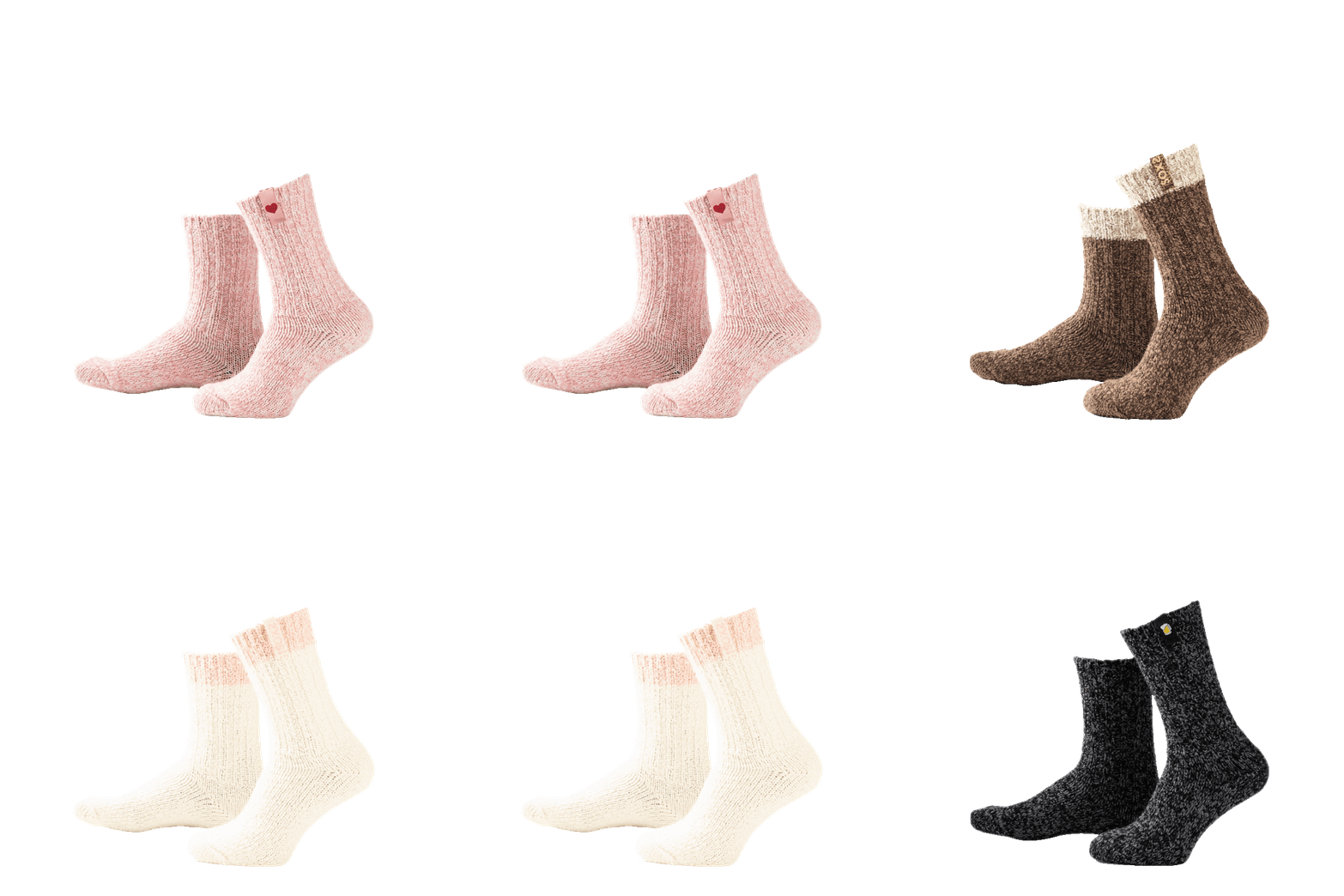
Soft warm premium wool socks
Gift ready, stylishly packaged
Orders placed before 1:00 PM will be shipped today (on weekdays) PLEASE NOTE: The delivery time of Pimp My Soxs is 5 working days!

You’ve probably heard that wool is expensive, but what if we told you it’s actually one of the smartest investments for your wardrobe and wallet? When you look beyond the initial price tag, wool saves money in ways that might surprise you. From lasting decades to reducing energy bills, this natural fibre offers budget-friendly benefits that synthetic alternatives simply can’t match. Let’s explore how choosing quality wool products transforms your spending habits and keeps more money in your pocket over time.
The most compelling reason wool benefits your budget lies in its extraordinary longevity. Quality merino wool items can serve you faithfully for 10 to 20 years or more with basic maintenance. Unlike synthetic materials that pill, fade, and lose their shape after a few seasons, wool maintains its integrity through countless wears and washes.
This durability comes from wool’s unique fibre structure. Each strand has natural crimps that create elasticity and resilience, allowing the material to bounce back from stretching and compression. When you invest in sustainable wool clothing, you’re essentially buying once instead of replacing items annually.
Consider this: if you spend £30 on quality wool socks that last 15 years versus £8 synthetic pairs that need replacing every 18 months, you’ll save over £50 in the long run while enjoying superior comfort throughout.
Wool’s antimicrobial properties work like a natural deodorant for your feet and body. The lanolin coating on wool fibres naturally repels bacteria that cause unpleasant smells, meaning you can wear wool items multiple times before they need washing.
This translates to significant savings on water, detergent, and energy bills. Where cotton or synthetic garments might need washing after each wear, wool pieces often stay fresh for days or even weeks of regular use. Your washing machine runs less frequently, your utility bills shrink, and your clothes experience less wear from frequent cleaning cycles.
The environmental and financial benefits compound over time. Fewer wash cycles mean less detergent consumption, reduced water heating costs, and extended garment lifespan. It’s a triple win that keeps adding up with every wear.
Wool’s natural insulating properties can genuinely impact your energy costs. The fibre’s crimped structure traps air, creating an insulating layer that keeps you warm in winter and surprisingly cool in summer. This natural temperature regulation means you might find yourself adjusting your thermostat less frequently.
During colder months, quality wool garments provide such effective warmth that you can comfortably lower your home heating by a degree or two. Even this small adjustment can reduce heating bills by 6–8% over a winter season. In summer, wool’s breathability prevents overheating, potentially reducing your reliance on air conditioning.
The natural wool advantages extend beyond personal comfort to household economics. When your clothing works as a personal climate control system, your home’s heating and cooling systems don’t need to work as hard.
Wool’s ability to absorb up to 30% of its weight in moisture without feeling damp helps prevent various foot and skin problems that could require medical attention. By keeping feet dry and comfortable, quality wool socks reduce the risk of fungal infections, athlete’s foot, and other moisture related issues.
This moisture management is particularly valuable for people with diabetes, circulation problems, or sensitive skin. The natural fibres allow air circulation while wicking away perspiration, creating an environment where harmful bacteria and fungi struggle to thrive.
Prevention is always more cost effective than treatment. By investing in proper wool footwear and clothing, you’re potentially avoiding pharmacy visits, prescription costs, and the discomfort of preventable conditions. Your feet stay healthier, and your wallet stays fuller.
Wool’s natural lanolin coating acts as a built in stain repellent, causing many spills to bead up and roll off rather than soaking into the fibres. This natural protection reduces the need for expensive dry cleaning treatments and extends the time between professional cleanings.
The fibre structure itself resists absorbing oils and water based stains that would permanently mark synthetic materials. When accidents do happen, wool’s resilience often allows for successful home cleaning with gentle methods, saving you trips to the dry cleaner.
Over the lifetime of a wool garment, these savings add up considerably. Eco-friendly socks and clothing made from quality wool require less chemical treatment and professional maintenance, reducing both environmental impact and ongoing costs.
Wool naturally filters harmful UV rays, protecting both the fabric itself and your skin underneath. This built in sun protection factor helps prevent the fading, weakening, and degradation that destroys synthetic outdoor gear after seasons of sun exposure.
For outdoor enthusiasts, this means hiking socks, base layers, and other wool gear maintain their integrity and appearance far longer than synthetic alternatives. You won’t need to replace sun damaged items as frequently, and you’ll avoid the hidden costs of sun protection products.
The dual protection benefit for both wearer and garment makes wool outdoor gear a particularly smart investment for anyone who spends significant time in the sun. Your gear looks better for longer, performs consistently, and provides ongoing sun protection without additional products.
Unlike synthetic materials that require chemical flame retardant treatments, wool is naturally fire resistant. The protein structure of wool fibres makes them difficult to ignite and self extinguishing when the heat source is removed.
This inherent safety feature eliminates the need for expensive chemical treatments that synthetic materials require to meet safety standards. You’re not paying extra for flame resistant coatings that can wash out over time or emit potentially harmful chemicals.
For work environments or activities where fire resistance is important, choosing wool eliminates ongoing treatment costs while providing superior, permanent protection. The safety benefits come built in, with no additional expense or maintenance required.
When wool items finally reach the end of their long lifespan, they decompose naturally without contributing to landfill problems or disposal costs. Unlike synthetic materials that persist in landfills for decades, wool returns to the earth harmlessly.
This biodegradability means you’re not contributing to the growing problem of textile waste that communities increasingly charge residents to manage. Some areas now impose fees for disposing of non biodegradable textiles, costs that wool wearers naturally avoid.
The environmental responsibility of choosing eco wool products often comes with financial benefits as waste management costs continue rising. Your sustainable choices today protect you from tomorrow’s disposal fees while supporting environmental health.
Wool fibres possess remarkable natural elasticity, allowing them to stretch up to 40% of their original length and still return to their initial shape. This resilience prevents the sagging, bagging, and permanent deformation that quickly ruins synthetic garments.
The crimped structure of wool fibres acts like tiny springs, maintaining the garment’s fit and appearance through countless wears. You won’t find yourself discarding wool items because they’ve lost their shape, a common fate for synthetic alternatives after just a few months of use.
This shape retention means your wool sock investment maintains its comfort and performance characteristics throughout its extended lifespan. The socks continue fitting properly, providing consistent support and comfort year after year.
Wool’s natural temperature regulation makes it suitable for year round wear, potentially replacing multiple seasonal items in your wardrobe. The same wool socks that keep your feet warm in winter provide breathable comfort in summer, eliminating the need for separate seasonal footwear.
This versatility extends across wool garments with base layers, jumpers, and accessories that work across seasons reducing your overall clothing needs. Instead of buying separate items for different weather conditions, quality wool pieces adapt to changing temperatures.
The space saving and cost saving benefits multiply when you travel. Packing versatile wool items that work in various climates reduces luggage needs and eliminates the expense of buying climate specific clothing at your destination.
Premium wool items retain their value remarkably well, making them viable for resale or passing down to family members. Unlike synthetic garments that quickly look worn and dated, well maintained wool pieces can command significant resale prices even after years of use.
The timeless appeal of quality wool, combined with its durability, creates items that others actively seek in second hand markets. Your initial investment can be partially recouped when you’re ready to update your wardrobe, something impossible with fast fashion synthetic alternatives.
This retained value also makes wool items excellent gifts that recipients genuinely appreciate and use long term. The combination of practicality, durability, and lasting value makes budget-friendly wool a gift that keeps giving returns to both giver and receiver.
The financial benefits of choosing wool extend far beyond the initial purchase price. From decades of reliable service to reduced utility bills, fewer health issues to eliminated disposal costs, wool proves its worth through consistent, long term savings.
When you calculate the true cost per wear of quality wool items, they often prove more economical than cheaper alternatives that need frequent replacement. The key lies in viewing wool as an investment rather than an expense, one that pays dividends in comfort, durability, and actual money saved over time.
SOXS provides the perfect solution for those seeking genuine long term savings through premium merino wool products. Our comprehensive range addresses all the money saving benefits discussed in this article:
• Proven durability: Our merino wool socks are engineered to last 10 to 20 years with proper care, delivering exceptional cost per wear value
• Maximum comfort: Advanced moisture wicking and temperature regulation reduce washing frequency and eliminate the need for multiple seasonal items
• Health benefits: Natural antimicrobial properties prevent costly foot problems while maintaining freshness between wears
• Quality guarantee: Every SOXS product meets strict standards for wool content, construction, and longevity
• Expert guidance: Detailed care instructions and customer support help you maximize your investment’s lifespan
Ready to start saving money while enjoying superior comfort? Visit our shop to discover our full range of premium merino wool socks and accessories, or explore our complete collection at SOXS to find the perfect wool products for your lifestyle and budget.
The key to extending wool's lifespan is gentle care: wash in cool water with wool-specific detergent, avoid wringing or twisting, and lay flat to dry away from direct heat. Store wool items folded rather than hung to prevent stretching, and use cedar blocks or lavender sachets to deter moths naturally.
While wool socks might cost £30 versus £8 for synthetic pairs, the math favors wool significantly. Quality wool socks lasting 15 years versus synthetic pairs needing replacement every 18 months means you'll spend £88 on synthetics versus £30 on wool, saving £58 plus reduced washing and energy costs.
Yes, wool's insulating properties can allow you to lower your thermostat by 1-2 degrees while maintaining comfort. This seemingly small adjustment can reduce heating costs by 6-8% over a winter season, translating to real savings on your energy bills while staying warmer.
Wool's natural antimicrobial properties mean you can wear wool socks 3-5 times and wool sweaters 5-10 times before washing, compared to synthetic items that typically need washing after each wear. This dramatically reduces water, detergent, and energy costs while extending garment life.
Look for 100% merino wool or high wool content (80%+), check for tight, even knitting, and choose reputable brands that offer care instructions. Avoid wool blends with high synthetic content, as they won't provide the same durability, odor resistance, and long-term value that pure wool offers.
Absolutely, start with one quality wool item like socks or a base layer to experience the benefits firsthand. The cost per wear of wool becomes incredibly low over time, and you can gradually build your wool wardrobe while saving money from reduced replacements, washing, and heating costs.
Wool items need replacing when they develop holes that can't be darned, lose significant elasticity, or become severely felted from improper care. When replacement time comes, old wool can be composted, used as garden mulch, or donated. Its biodegradable nature means no disposal fees or environmental guilt.