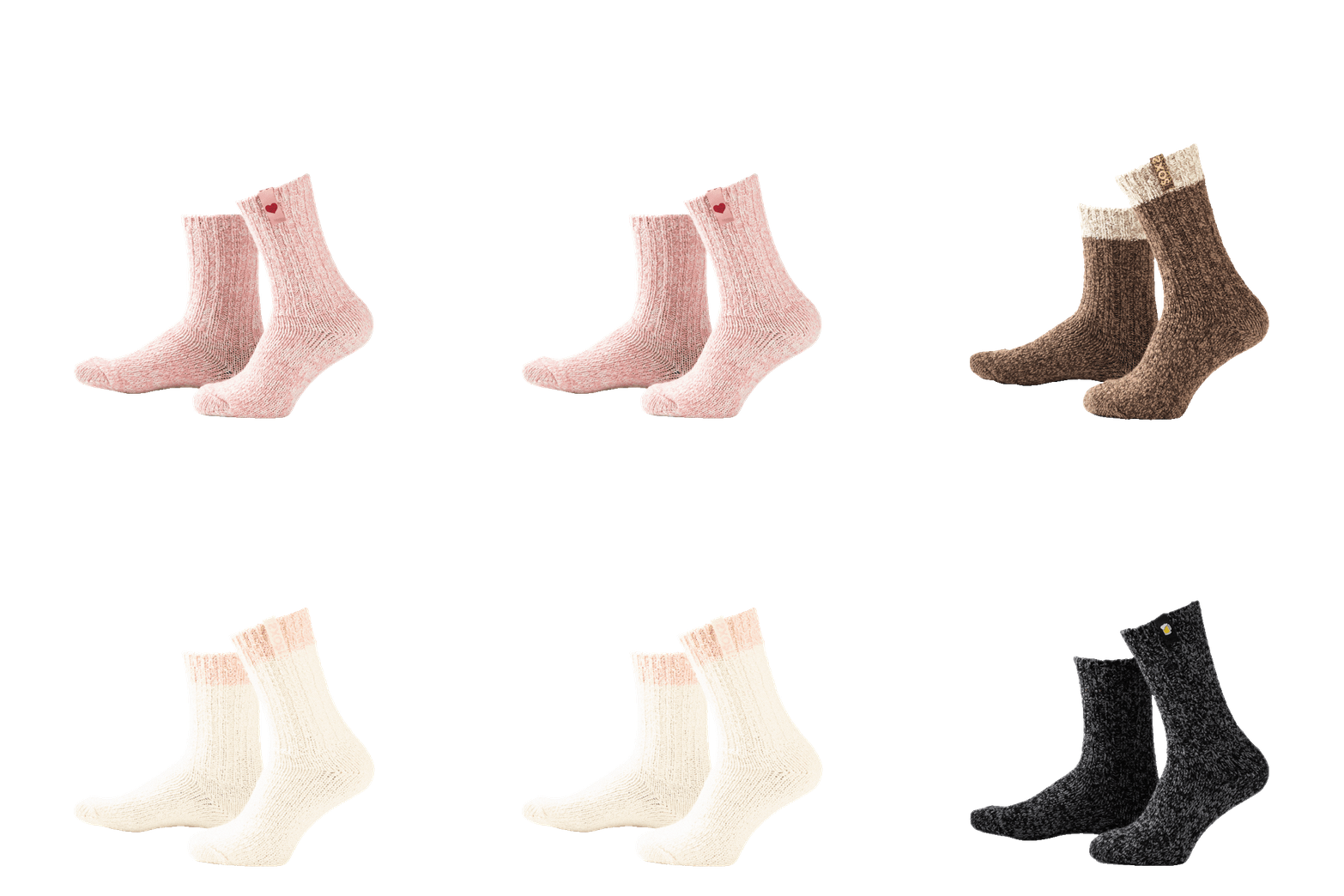

Soft warm premium wool socks
Gift ready, stylishly packaged
Orders placed before 1:00 PM will be shipped today (on weekdays) PLEASE NOTE: The delivery time of Pimp My Soxs is 5 working days!

Ever wondered why some people seem to age more gracefully than others? The secret might be simpler than you think. Natural materials like wool have been keeping humans comfortable and healthy for thousands of years, and modern research is revealing just how profound their impact on our well-being can be.
When we talk about extending lifespan, we’re not just looking at adding years to your life – we’re talking about adding life to your years. Wool health benefits go far beyond basic warmth, touching everything from sleep quality to immune function. The unique properties of this natural fibre create a cascade of health benefits that support your body’s natural healing processes.
Let’s explore how something as simple as choosing wool can become your secret weapon for a longer, healthier life.
Your body does its most important repair work while you sleep, and wool temperature regulation plays a crucial role in achieving the deep, restorative sleep your cells need. Unlike synthetic materials that trap heat and moisture, wool naturally adjusts to your body temperature throughout the night.
Merino wool can absorb up to 30% of its weight in moisture without feeling damp, keeping your skin dry and comfortable. This moisture management prevents the uncomfortable wake-ups caused by overheating or feeling clammy. When your body maintains an optimal temperature, you spend more time in the deep sleep phases where cellular regeneration happens most effectively.
The temperature-regulating properties of wool work by trapping air in its naturally crimped fibres, creating insulation that adapts to your needs. When you’re cold, it holds warmth close to your body. When you’re warm, it allows excess heat to escape while wicking moisture away from your skin.
Maintaining optimal body temperature isn’t just about comfort – it’s about reducing the stress your cardiovascular system experiences daily. When your body struggles to regulate temperature, it produces cortisol and other stress hormones that accelerate ageing processes.
Wool’s natural ability to maintain thermal equilibrium means your body doesn’t have to work as hard to stay comfortable. This reduces the production of stress hormones that can damage your heart, weaken your immune system, and contribute to inflammation throughout your body.
The gentle, consistent warmth provided by wool helps maintain healthy blood pressure and reduces the strain on your circulatory system. Over time, this consistent reduction in physiological stress can contribute significantly to cardiovascular health and longevity.
Your skin is your body’s largest organ and first line of defence against harmful bacteria and infections. Wool moisture-wicking properties help maintain the delicate balance your skin needs to stay healthy and function properly.
By keeping skin dry and at the right temperature, wool prevents the warm, moist conditions where harmful bacteria and fungi thrive. This natural moisture management reduces your risk of skin irritation, infections, and other issues that can compromise your immune system.
The breathable nature of wool fibres allows air to circulate freely, supporting your skin’s natural barrier function. When your skin stays healthy, it can better protect you from environmental toxins and pathogens that could otherwise impact your overall health and longevity.
One of wool’s most remarkable properties is its natural antimicrobial action. Wool antibacterial properties come from lanolin, the natural oil found in sheep’s wool, which has inherent antibacterial and antifungal qualities.
These natural antimicrobial properties mean that wool garments resist odour-causing bacteria and stay fresher longer. More importantly for your health, they reduce your daily exposure to harmful microorganisms that could challenge your immune system.
By wearing wool, you’re essentially giving your immune system one less thing to fight against. This allows your body’s natural defence mechanisms to focus on more serious threats, potentially extending their effectiveness as you age and supporting overall longevity.
Well-fitted wool garments provide gentle, even compression that supports healthy blood circulation without restricting movement. This natural compression effect comes from wool’s elasticity and ability to conform to your body’s shape.
Better circulation means more efficient delivery of oxygen and nutrients to your cells, as well as improved removal of metabolic waste products. This enhanced circulation supports everything from brain function to muscle recovery, contributing to better overall health as you age.
The gentle pressure from wool garments can also reduce swelling and support your body’s lymphatic system, which plays a crucial role in immune function and toxin removal. These circulatory benefits compound over time, supporting long-term cardiovascular health.
Chronic inflammation is increasingly recognised as a major factor in ageing and age-related diseases. The soft, non-irritating nature of natural fibre health benefits becomes particularly important when you consider how synthetic materials can create micro-irritations throughout the day.
Wool’s smooth, crimped fibres don’t scratch or irritate sensitive skin the way synthetic materials often do. This reduction in physical irritation translates to less inflammatory response in your body, supporting your natural healing processes.
When your body isn’t constantly dealing with minor irritations and inflammatory responses, it can allocate more resources to repair, regeneration, and fighting more serious health threats. This reduction in daily inflammatory load can contribute significantly to healthier ageing.
The difference between wool and synthetic materials goes beyond comfort – it’s about long-term health outcomes. Synthetic fibres are often treated with chemicals during manufacturing, and these chemicals can off-gas over time, potentially affecting indoor air quality and your health.
Wool is naturally flame-resistant, UV-protective, and biodegradable, meaning you’re not exposed to the chemical flame retardants and other treatments commonly found in synthetic alternatives. This reduced chemical exposure over your lifetime can contribute to better health outcomes.
The durability of wool also means fewer replacements and less exposure to manufacturing chemicals over time. When you invest in quality wool products, you’re reducing your lifetime exposure to the various chemicals used in textile production and treatment.
The psychological benefits of wearing natural, comfortable materials shouldn’t be underestimated. Merino wool benefits extend to mental health through the simple pleasure of feeling comfortable and cosy throughout your day.
Studies have shown that physical comfort directly impacts stress levels and overall life satisfaction. When you’re comfortable, you’re more likely to engage in healthy activities, sleep better, and maintain positive social connections – all factors that correlate with longevity.
The natural feel and performance of wool can also provide peace of mind, knowing you’re making choices that support both your comfort and health. This psychological benefit of choosing natural materials contributes to overall well-being and life satisfaction.
Choosing sustainable wool clothing isn’t just good for the planet – it’s good for your mental health and overall well-being. Environmental anxiety is a real phenomenon that affects many people, and making sustainable choices can help reduce this psychological burden.
Wool is a renewable resource that biodegrades naturally, unlike synthetic materials that contribute to microplastic pollution. By choosing wool, you’re supporting environmental practices that create a healthier world for everyone, which contributes to your sense of purpose and well-being.
The peace of mind that comes from making environmentally responsible choices can reduce stress and contribute to better mental health outcomes. This psychological benefit of sustainable living practices is increasingly recognised as a factor in overall health and longevity.
Quality wool products can last for decades with proper care, which means less shopping stress, financial savings, and reduced exposure to manufacturing chemicals over your lifetime. The durability of wool comes from the natural strength and elasticity of the fibres.
When you’re not constantly replacing worn-out synthetic garments, you save money that can be invested in other health-supporting activities like better food, exercise, or healthcare. This financial benefit of choosing durable wool products can indirectly support your health and longevity.
The reduced need for frequent shopping and replacement also means less exposure to the various chemicals used in textile manufacturing and treatment. Over a lifetime, this reduced chemical exposure can contribute to better health outcomes and potentially increased longevity.
SOXS provides the perfect solution for incorporating the life-extending benefits of wool into your daily routine through our carefully curated collection of premium wool products. Our approach focuses on making the transition to healthier natural fibres simple and accessible:
Ready to experience how premium wool can support your health and longevity? Visit our shop today and discover the difference that quality natural fibres can make in your daily comfort and long-term well-being.
The connection between wool extends lifespan and daily comfort choices might seem surprising, but the evidence is compelling. From better sleep and reduced inflammation to improved circulation and lower chemical exposure, wool’s natural properties support your body’s health in multiple ways.
Making the switch to natural wool doesn’t require dramatic lifestyle changes. Start with the items closest to your skin – socks, base layers, or sleepwear – where the benefits will be most noticeable. Pay attention to how you feel: better sleep, improved comfort, and reduced skin irritation are often the first signs you’ll notice.
As you experience these benefits firsthand, you’ll understand why choosing natural materials like wool isn’t just about comfort – it’s about supporting your body’s natural ability to stay healthy and strong as you age.
Most people notice improved sleep quality and comfort within the first week of wearing wool sleepwear or base layers. Temperature regulation benefits are immediate, while longer-term benefits like reduced inflammation and better circulation typically become apparent after 2-4 weeks of consistent use.
Modern merino wool is much finer than traditional wool (18-24 microns vs 40+ microns) and is generally well-tolerated by people with sensitive skin. However, those with true wool allergies should consult their healthcare provider. Look for superfine merino wool products and test with a small item first, like socks, before investing in larger pieces.
Wash wool items in cool water with wool-specific detergent, avoid fabric softeners which can coat the fibers and reduce their natural properties, and air dry flat. Proper care maintains wool’s moisture-wicking, temperature regulation, and antibacterial properties that contribute to health benefits.
While synthetic fabrics can wick moisture, they lack wool’s natural temperature regulation, antibacterial properties, and breathability. Synthetics often trap odors, require chemical treatments for antimicrobial properties, and don’t provide the same thermal comfort range that supports quality sleep and reduced stress hormones.
Start with items closest to your skin where benefits are most noticeable: merino wool socks, underwear, and sleepwear. These provide direct skin contact for moisture management and temperature regulation. Base layers for active wear are also excellent choices for experiencing wool’s circulation and comfort benefits.
Wool requires more careful washing than synthetics, can be more expensive initially, and isn’t suitable for people with severe wool allergies. For high-intensity activities in very hot climates, lightweight synthetic fabrics might dry faster, though merino wool blends often provide a good compromise.
Higher quality wool (like superfine merino) provides superior comfort, durability, and performance of the natural properties that deliver health benefits. Cheaper, coarser wool may cause irritation rather than comfort, while poorly processed wool might have reduced moisture-wicking and antibacterial properties essential for the health advantages described.