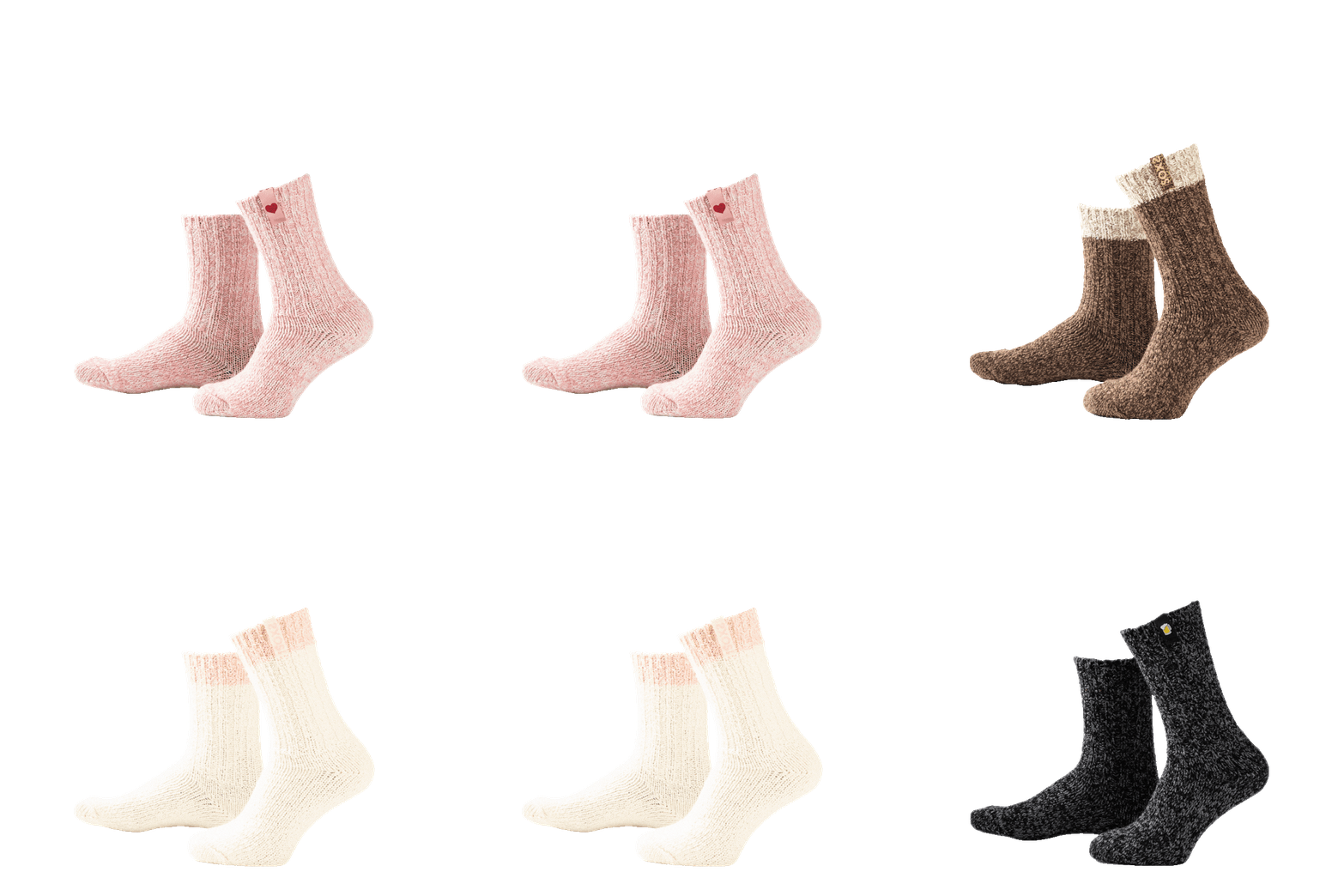
Soft warm premium wool socks
Gift ready, stylishly packaged
Orders placed before 1:00 PM will be shipped today (on weekdays) PLEASE NOTE: The delivery time of Pimp My Soxs is 5 working days!

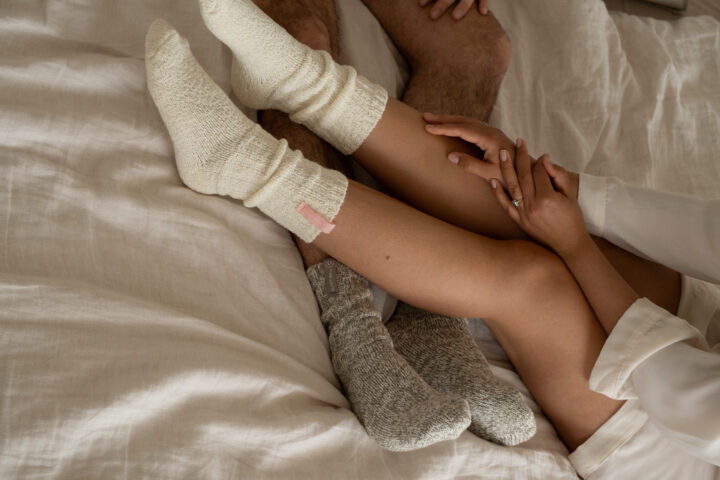
Ever wondered why you can’t seem to shake that constant chill in your toes, even when you’re bundled up indoors? Cold feet aren’t just an uncomfortable inconvenience—they can be your body’s way of signalling that something needs attention. When your feet consistently feel cold, it affects far more than just your comfort level. Poor foot warmth impacts your circulation, sleep quality, and even your immune system’s ability to keep you healthy throughout the colder months.
Your feet contain thousands of nerve endings and serve as important indicators of your overall health. When they’re too cold for extended periods, your body redirects warm blood away from your extremities to protect vital organs. This natural response can leave you dealing with a cascade of symptoms that affect your daily life in ways you might not expect.
Here are the key warning signs that indicate your feet need better warmth and care:
When your toes start feeling like they’ve gone to sleep, that’s your circulation sending you a clear message. Numbness and tingling are often the first signs that your feet aren’t getting the warmth they need to maintain proper blood flow. Cold temperatures cause your blood vessels to constrict, reducing the amount of oxygen-rich blood reaching your toes and the sensitive nerve endings there.
This sensation typically starts as a mild pins-and-needles feeling but can progress to complete numbness if ignored. You might notice it most when you first wake up or after sitting in one position for extended periods. The tingling often becomes more pronounced when you try to warm your feet quickly, as blood rushes back into the restricted vessels.
Regular numbness in your toes shouldn’t be dismissed as just a winter annoyance. When your feet can’t maintain adequate warmth, the reduced circulation affects nerve function and can make simple tasks like walking or standing uncomfortable. Quality thermal socks made from insulating materials can help maintain consistent foot warmth and prevent these circulation issues from developing.
Your body has a fascinating relationship with temperature when it comes to sleep, and cold feet can completely disrupt this natural process. As bedtime approaches, your body normally redirects warm blood to your hands and feet, signalling to your brain that it’s time to rest. When your feet are too cold, this temperature regulation system gets thrown off balance.
Cold feet prevent your body from achieving the slight drop in core temperature that triggers sleepiness. Instead of feeling drowsy, you might find yourself lying awake, unconsciously focused on the uncomfortable chill in your toes. Many people don’t realise that their sleep troubles stem from foot temperature issues rather than stress or caffeine.
The connection between foot warmth and sleep quality is so strong that simply warming your feet before bed can dramatically improve how quickly you fall asleep. Your body needs that warmth in your extremities to signal that it’s safe to lower your overall body temperature for rest. Without proper foot warmth, your sleep cycle remains disrupted, leaving you tired and less resilient the next day.
Healthy feet maintain a consistent pinkish colour, but when they’re too cold, you might notice some alarming changes. Pale, bluish, or even reddish discolouration indicates that your circulation is struggling to maintain adequate blood flow to your feet. These colour changes aren’t just cosmetic—they’re visible signs of how cold affects your vascular system.
Pale or white feet suggest that blood vessels have constricted significantly, reducing blood flow to protect your core body temperature. A bluish tint, particularly around your toes, indicates that the blood in your feet isn’t carrying enough oxygen due to poor circulation. Sometimes you might notice a reddish colour when warming up cold feet, as blood rushes back into the dilating vessels.
These colour changes often come with other symptoms like stiffness or pain, particularly when transitioning between cold and warm environments. If you regularly notice dramatic colour changes in your feet when they’re cold, it’s a clear sign that your current foot care routine isn’t providing adequate warmth and protection for healthy circulation.
There’s more truth to the old saying about catching cold from having cold feet than you might think. When your feet are consistently cold, your body diverts energy and resources away from your immune system to focus on maintaining core warmth. This weakened immune response leaves you more vulnerable to seasonal illnesses and infections.
Cold feet indicate that your circulation isn’t optimal, which means your immune cells aren’t moving efficiently throughout your body. Your lymphatic system, which helps fight off infections, relies on good circulation to transport white blood cells where they’re needed most. Poor foot warmth can be a sign that this entire system isn’t functioning at its best.
Winter health isn’t just about avoiding germs—it’s about maintaining your body’s natural defences. When your feet stay warm, your circulation remains strong, supporting your immune system’s ability to respond quickly to threats. People who prioritise foot warmth often notice they get sick less frequently during cold months, as their bodies can maintain better overall health and resilience.
Cold affects more than just comfort—it directly impacts how well your feet function. When temperatures drop, the muscles, tendons, and joints in your feet become less flexible, making movement feel stiff and awkward. Joint mobility decreases significantly when your feet can’t maintain adequate warmth, affecting everything from your morning walk to climbing stairs.
This stiffness happens because cold temperatures slow down the synovial fluid that lubricates your joints, making them feel creaky and resistant to movement. Your muscles also contract when cold, reducing their flexibility and making simple movements feel more effortful than usual. You might notice this most when getting out of bed or after sitting for extended periods.
The stiffness from cold feet can create a cycle where you move less, which further reduces circulation and warmth. Maintaining consistent foot warmth helps keep your joints mobile and your muscles flexible, making daily activities more comfortable and reducing the risk of strain or injury from stiff, cold feet.
Muscle cramps in your feet and calves often increase when your feet can’t maintain proper warmth. Poor circulation from consistently cold feet reduces the oxygen and nutrients reaching your muscle tissues, making them more prone to painful spasms and cramps. These cramps typically strike at inconvenient moments, like during sleep or when you’re trying to relax.
Cold feet contribute to cramping because restricted blood flow means your muscles aren’t getting the electrolytes and oxygen they need to function smoothly. When muscles work harder to maintain function with limited resources, they’re more likely to seize up unexpectedly. You might notice these cramps most often in your arches, toes, or the muscles along your calves.
Foot cramps from poor warmth tend to be more frequent and intense than occasional muscle tightness. They can disrupt your sleep, make walking uncomfortable, and create ongoing tension in your lower legs. Maintaining consistent foot warmth helps ensure steady blood flow to these muscles, reducing both the frequency and intensity of cold-related cramping.
Your body works surprisingly hard to keep your feet warm, and when they’re consistently cold, this extra effort can leave you feeling drained. Energy depletion from cold feet happens because your body redirects resources away from other functions to focus on maintaining core temperature and trying to warm your extremities.
This constant internal battle against cold feet creates a subtle but persistent energy drain that builds throughout the day. You might not directly connect your afternoon fatigue to your chilly toes, but your body is working overtime to compensate for inadequate foot warmth. This extra effort affects your mental clarity, physical stamina, and overall sense of wellbeing.
When your feet maintain proper warmth, your body can use that energy for more productive purposes like supporting your immune system, maintaining focus, and keeping you active. People who address chronic cold feet often report feeling more energetic and alert throughout the day, as their bodies no longer need to constantly work against temperature regulation challenges.
Your body’s ability to heal even small injuries depends heavily on good circulation, and consistently cold feet can significantly slow down recovery. When blood flow to your feet is reduced due to cold, your body can’t deliver the nutrients, oxygen, and healing factors needed for efficient tissue repair.
Minor cuts, scrapes, or even dry skin on your feet may take longer to heal when circulation is compromised by chronic cold. You might notice that small wounds seem to linger, dry patches don’t improve with moisturising, or that your feet generally look less healthy than they should. This delayed healing affects not just your feet but can extend to your lower legs as well.
Proper foot warmth supports the healing process by maintaining steady blood flow that delivers everything your tissues need for repair and regeneration. When your feet stay consistently warm, you’ll likely notice that minor injuries heal more quickly and your skin maintains better overall health and appearance.
When your feet feel cold despite being in a heated room or warm weather, it’s often a sign that circulation problems extend beyond environmental factors. This persistent coldness indicates that your body’s temperature regulation system isn’t functioning optimally, and your feet aren’t receiving adequate blood flow regardless of external conditions.
Feet that remain cold in warm environments suggest that your circulation has adapted to consistently redirect blood away from your extremities. This can happen when you’ve had cold feet for extended periods, causing your body to essentially “forget” how to maintain proper warmth distribution to your feet.
This type of persistent coldness often responds well to consistent warmth therapy through quality wool socks and proper foot care. By providing external warmth support, you can help retrain your circulation system to maintain better blood flow to your feet, gradually improving their ability to stay warm naturally.
When cold feet start limiting your participation in activities you enjoy, they’ve moved beyond a minor inconvenience to a quality of life issue. Chronic cold feet can restrict your willingness to engage in outdoor activities, exercise routines, or social events, particularly during colder months.
You might find yourself declining invitations for winter walks, avoiding outdoor sports, or feeling reluctant to participate in activities where you’ll be standing or walking for extended periods. This avoidance can lead to reduced physical fitness, social isolation, and missing out on experiences that contribute to your overall wellbeing.
The psychological impact of constantly cold feet shouldn’t be underestimated. When you’re always thinking about your discomfort, it affects your ability to fully enjoy experiences and can create a cycle of inactivity that further reduces circulation and foot health. Addressing chronic cold feet opens up opportunities to engage more fully in life’s activities.
Recognising these signs of inadequate foot warmth is the beginning of taking better care of your overall health. Your feet serve as important indicators of circulation, immune function, and general wellbeing, so paying attention to their temperature needs benefits your entire body.
The good news is that most cold feet issues respond well to consistent warmth and proper foot care. Simple changes like wearing appropriate socks, keeping your feet dry, and maintaining good circulation through movement can make a significant difference in how you feel throughout the day.
Quality wool socks, particularly those made from humanely sheared wool, provide excellent insulation while remaining breathable and moisture-wicking. At SOXS, we’ve developed wool socks that combine traditional New Zealand sheep’s wool with modern technology to create socks that don’t itch while providing superior warmth. Our socks help maintain optimal foot temperature, supporting better circulation, improved sleep, and enhanced overall comfort during the colder months.
Taking care of your feet isn’t just about comfort—it’s about supporting your body’s natural systems and maintaining the energy and health you need to enjoy life fully. What steps will you take today to give your feet the warmth they deserve?
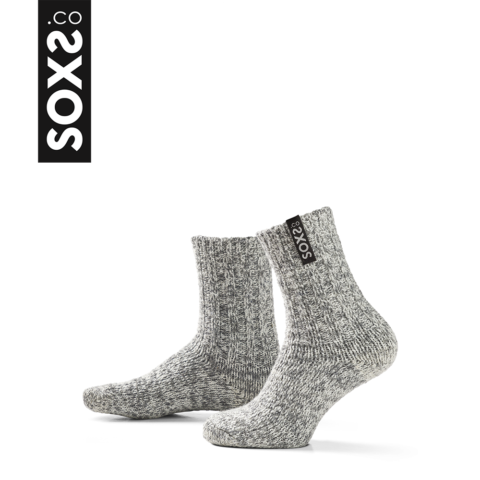
Calf height
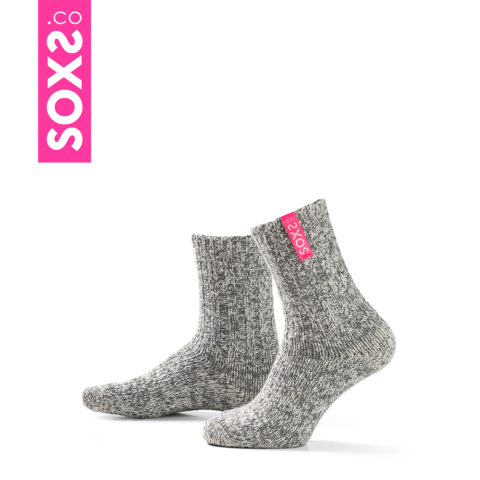
Calf height
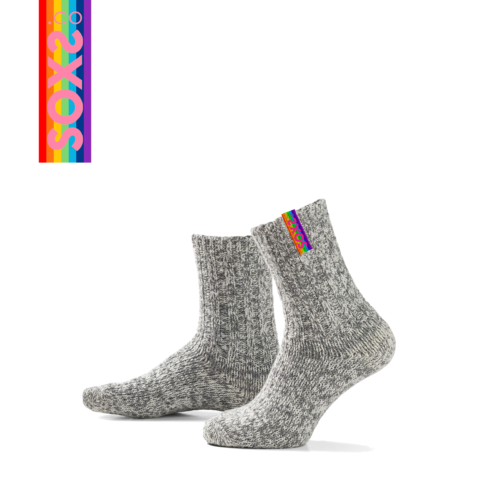
Calf height