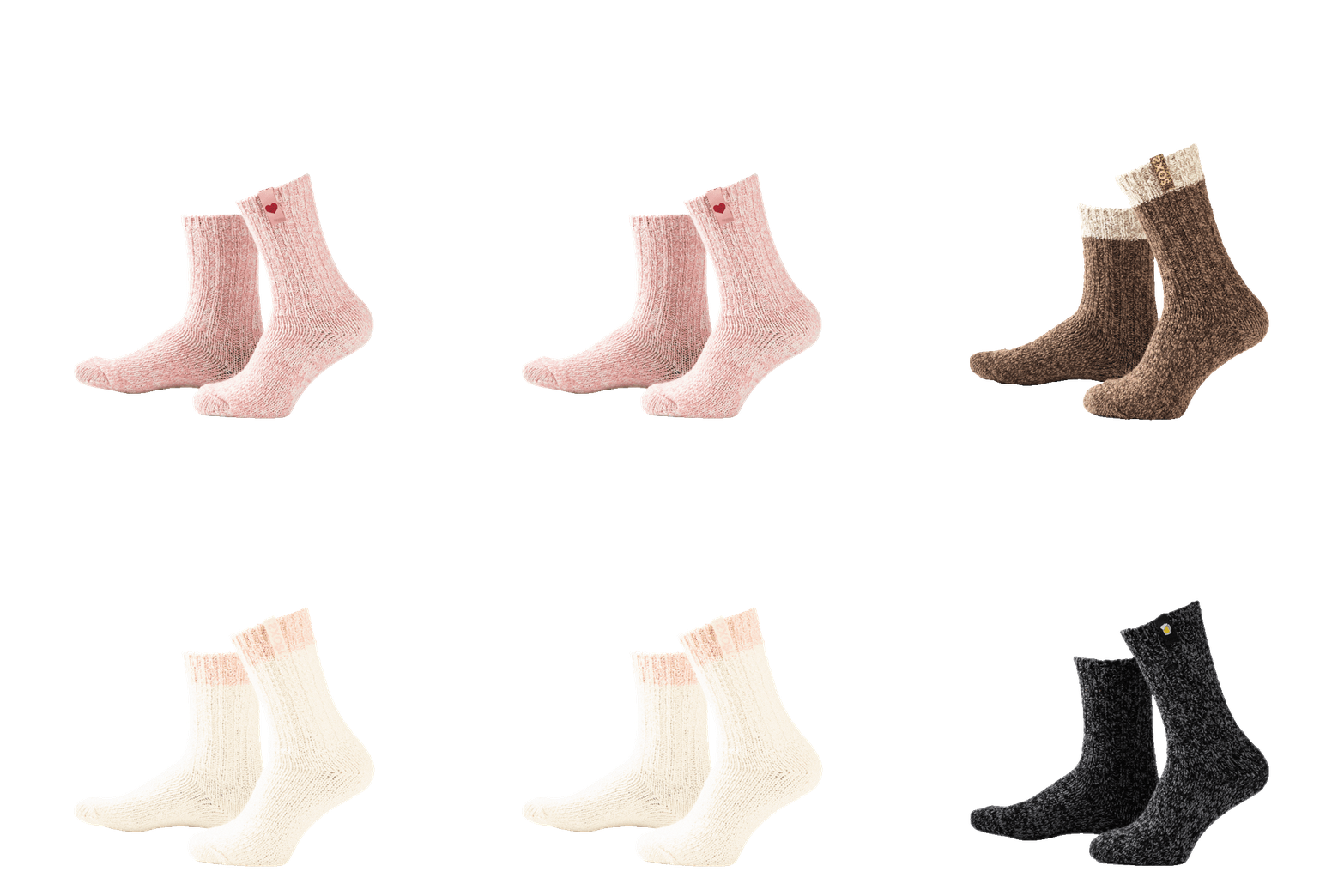
Soft warm premium wool socks
Gift ready, stylishly packaged
Orders placed before 1:00 PM will be shipped today (on weekdays) PLEASE NOTE: The delivery time of Pimp My Soxs is 5 working days!


Living with neuropathy presents unique challenges, especially when it comes to keeping your feet comfortable throughout the day. The tingling, numbness, burning sensations, and heightened sensitivity that characterise peripheral neuropathy can make choosing the right diabetic and neuropathy socks feel overwhelming. However, wool socks for neuropathy offer remarkable therapeutic benefits that can transform your daily comfort experience and support better foot health management in 2025.
When you’re dealing with diabetic nerve damage or peripheral neuropathy in your feet, every fabric choice matters for preventing complications. The wrong sock material can intensify discomfort, trap moisture leading to fungal infections, or create pressure points that worsen symptoms and increase ulceration risk. Natural wool fibres provide unique therapeutic properties that address many common neuropathy-related foot concerns. From superior breathability and moisture-wicking to natural antimicrobial and antibacterial qualities, the right wool socks can become an essential part of your neuropathy foot care routine and diabetes management strategy.
Merino wool socks for diabetics and neuropathy patients stand out as the gold standard for people managing chronic nerve pain and neuropathy symptoms. Unlike synthetic alternatives like polyester or nylon, natural wool fibres regulate temperature naturally, keeping your feet comfortable whether you’re dealing with the burning sensations, tingling, or cold numbness that diabetic neuropathy and peripheral nerve damage often brings.
The protein structure in wool fibres actively neutralises odours and harmful substances from sweat, which proves particularly beneficial if neuropathy affects your ability to sense moisture buildup. This natural antimicrobial property means bacteria have less opportunity to develop, reducing the risk of infections that could complicate your condition.
Breathable socks for neuropathy and diabetic foot care sufferers need should allow optimal air circulation whilst maintaining consistent warmth throughout the day. Natural merino wool achieves this balance through its unique hollow fibre structure, which wicks moisture away from your skin up to 30% more effectively than cotton without creating the clammy environment that synthetic materials often trap. This advanced moisture management becomes vital when neuropathy reduces your ability to detect dampness, temperature changes, or early signs of blisters and skin breakdown in your feet.
Traditional sock seams can create significant pressure points and friction that amplify neuropathy discomfort and increase the risk of foot ulcers in diabetic patients. When your nerves are already hypersensitive or experiencing reduced sensation, even the smallest raised seam can cause irritation, blisters, or skin breakdown that persists throughout the day. Comfortable non-binding socks for neuropathy management requires eliminating these potential friction sources to prevent complications.
Seamless construction or flat-seam technology distributes pressure evenly across your foot surface, reducing the risk of pressure ulcers and diabetic foot complications. This design approach prevents the concentrated pressure that traditional seams create, particularly around the sensitive toe area where neuropathy symptoms often concentrate and circulation may be compromised. The smooth interior surface reduces friction against sensitive skin, allowing you to wear your socks comfortably for extended periods without developing hot spots, blisters, or irritation that could lead to infection.
When examining sock construction, pay attention to how the toe area is finished. Hand-linked or seamless toe closures provide the smoothest experience, whilst flat-seam construction offers a good middle ground between comfort and durability. These construction methods become particularly important if you experience reduced sensation, as they prevent pressure points you might not immediately notice.
Foot comfort for neuropathy and diabetes patients requires matching sock thickness to your specific activities, footwear type, and circulation needs. Medium-weight cushioned wool socks often provide the ideal balance of padding, support, and breathability for daily wear, offering protective cushioning without creating tightness that could restrict blood flow or compress nerves.
For indoor activities or sleeping, lighter-weight wool socks maintain the temperature regulation benefits without adding bulk. The natural elasticity of quality wool ensures these thinner socks won’t slip or bunch, which could create pressure points. Many people with neuropathy find that wearing thin wool socks to bed helps regulate foot temperature, potentially improving sleep quality.
Thicker wool socks with extra cushioning work well for outdoor activities, hiking, or when you need additional padding in work boots and protective footwear. However, ensure your footwear accommodates the additional thickness without creating pressure or restricting circulation. The key lies in finding socks that provide targeted cushioning in high-pressure areas like heels and balls of feet whilst maintaining the loose, non-restrictive fit that supports healthy blood circulation and reduces nerve compression.
| Activity Type | Recommended Thickness | Key Benefits |
|---|---|---|
| Daily indoor wear | Light to medium | Temperature regulation, comfort |
| Sleeping | Light weight | Warmth without overheating |
| Walking/Exercise | Medium weight | Cushioning with breathability |
| Work boots | Medium to thick | Protection and cushioning |
Maintaining your wool socks benefits requires gentle care that preserves the natural properties that make them ideal for neuropathy management. Hand washing remains the gentlest option, but modern washing machines with wool programmes offer convenient alternatives that protect the delicate fibres.
Wash your wool neuropathy socks at maximum 30°C (86°F) using pH-neutral wool-specific detergent or mild soap. The protein fibres in merino wool can be damaged by harsh chemicals, enzymes, bleach, or excessive heat, reducing their natural antimicrobial, moisture-wicking, and temperature-regulating properties. Gentle agitation on delicate or wool cycle prevents the fibres from felting whilst maintaining the sock’s shape, elasticity, and therapeutic compression.
Air drying flat or hanging preserves the wool’s natural structure and prevents shrinkage that could create uncomfortable tightness or reduce circulation. Never use a tumble dryer or direct heat sources, as temperatures above 30°C can cause irreversible felting, shrinkage, and damage to the wool fibres. Proper drying also maintains the sock’s breathability and moisture-wicking capabilities, ensuring they continue providing the natural fiber socks benefits that support your neuropathy management routine and diabetic foot care protocol.
Remember: Well-maintained wool socks retain their therapeutic properties longer, making proper care an investment in your ongoing foot comfort.
Selecting the right wool socks for neuropathy management involves balancing multiple factors: construction quality, fibre source, and your specific comfort needs. The investment in high-quality wool socks pays dividends in daily comfort and reduced foot-related complications.
Quality wool socks offer superior performance compared to synthetic alternatives. The combination of natural temperature regulation, antimicrobial properties, and gentle elasticity addresses the specific challenges that diabetic neuropathy and peripheral neuropathy present. These therapeutic socks work continuously to maintain optimal foot health, moisture control, and blister prevention even when you can’t feel what’s happening inside your shoes.
At SOXS, we understand how important foot comfort neuropathy management becomes in daily life. Our wool socks combine traditional New Zealand sheep’s wool with modern construction techniques, creating products that don’t itch whilst providing the therapeutic benefits your feet need. The unique elasticity of our wool ensures proper fit without compression, supporting healthy circulation whilst delivering the comfort you deserve.
Which aspect of wool sock selection matters most for your specific neuropathy symptoms? Temperature regulation for diabetic foot care, non-binding fit for sensitive skin, or moisture-wicking properties for daily protection? Understanding your priorities and consulting with your healthcare provider helps you make the informed choice that will provide the greatest improvement in your daily comfort, foot health, and neuropathy symptom management in 2025.
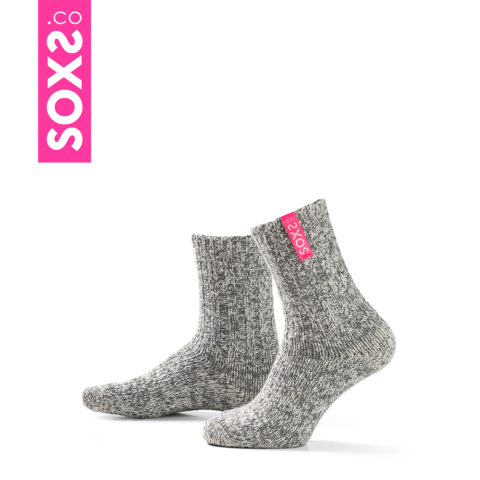
Calf height
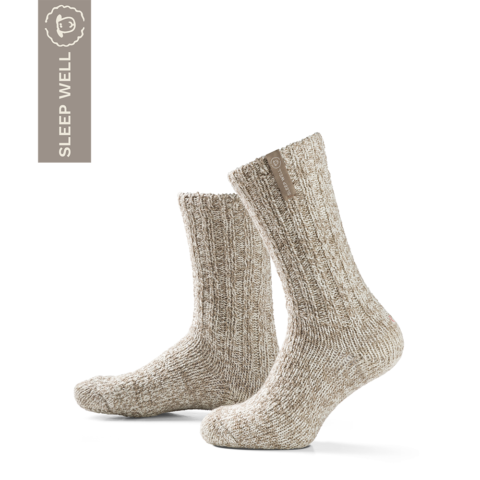
Calf height
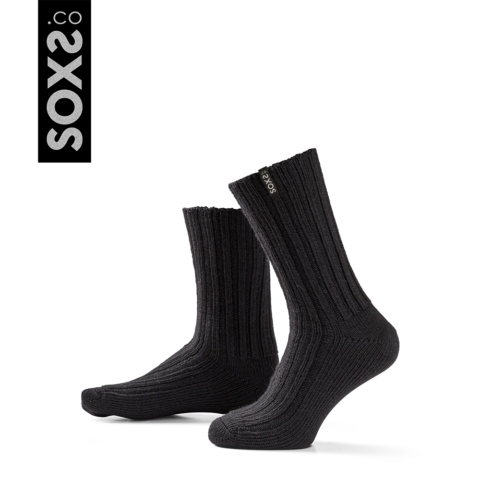
Calf height