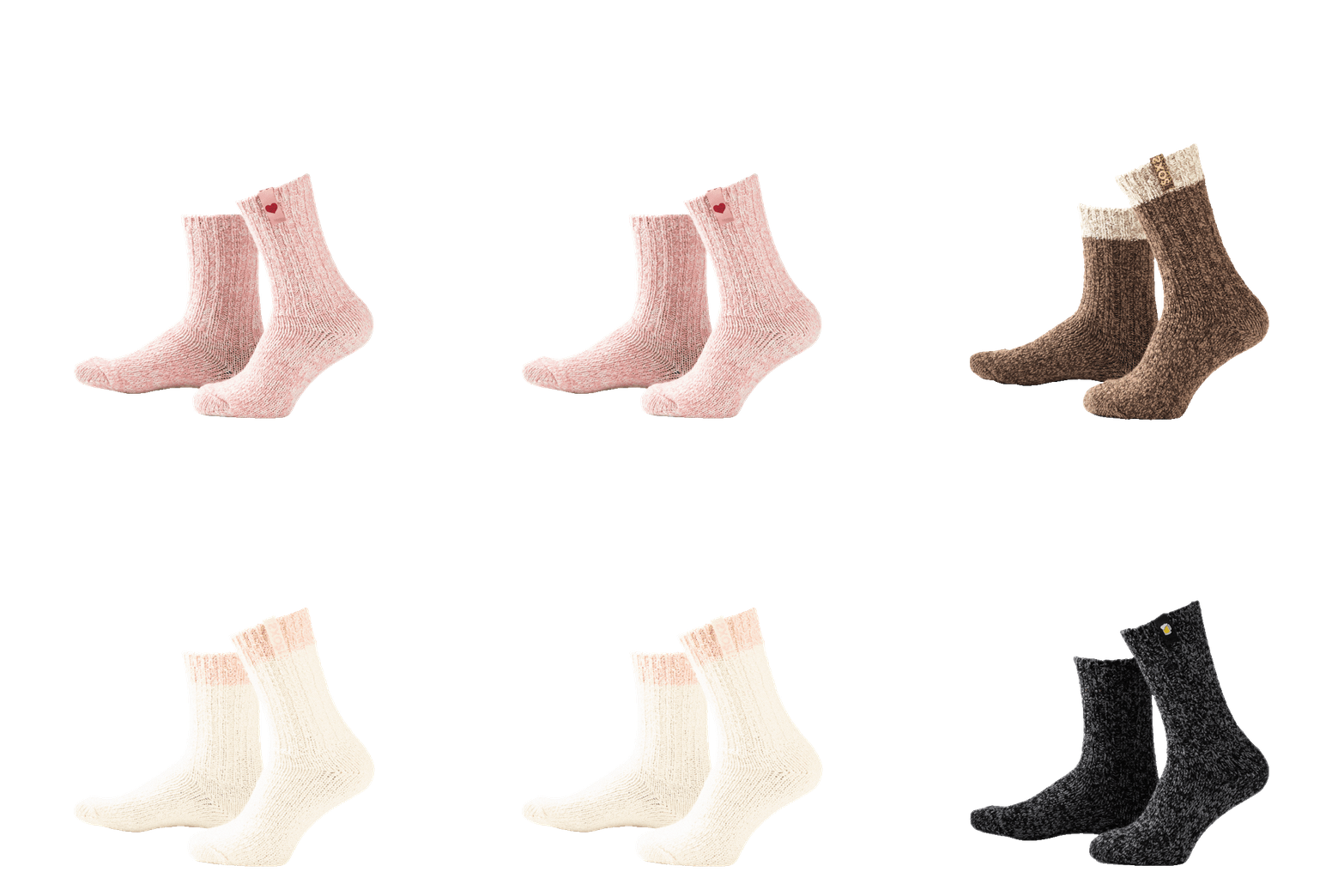
Soft warm premium wool socks
Gift ready, stylishly packaged
Orders placed before 1:00 PM will be shipped today (on weekdays) PLEASE NOTE: The delivery time of Pimp My Soxs is 5 working days!

If you’re dealing with eczema, you know how challenging it can be to find clothing that doesn’t irritate your sensitive skin. Your sock choice might seem like a small detail, but it can make a significant difference in managing your symptoms and daily comfort. When your feet are constantly battling moisture, friction, and synthetic materials, eczema flare-ups become more frequent and uncomfortable.
Merino wool socks offer a natural solution that addresses many of the common triggers that worsen eczema symptoms. Unlike synthetic materials or regular cotton, merino wool provides unique properties that work harmoniously with sensitive skin rather than against it. Let’s explore why making the switch to merino wool socks could be one of the most beneficial changes you make to your eczema management routine.
Your fabric choice directly impacts how your eczema behaves throughout the day. Traditional sock materials like cotton and synthetic blends can trap moisture against your skin, creating the perfect environment for bacteria and irritation to flourish. When moisture builds up, it softens the skin barrier, making it more vulnerable to friction and external irritants.
Cotton socks, while comfortable initially, lose their moisture-wicking properties once they become damp. They then stay wet against your skin, creating a breeding ground for the bacteria that can trigger eczema flare-ups. Synthetic materials often contain chemical treatments and dyes that can act as direct irritants to already compromised skin.
Friction plays a crucial role in eczema symptoms too. Rough or poorly fitting socks create mechanical irritation that can trigger the itch-scratch cycle, leading to further skin damage and inflammation. This is why the material and construction of your socks become so important to your daily comfort.
Temperature regulation is vital for eczema management, as overheating often triggers uncomfortable flare-ups. Merino wool possesses unique thermal properties that help maintain optimal foot temperature regardless of external conditions. The natural crimp in merino fibres creates tiny air pockets that provide insulation when it’s cold and allow heat to escape when temperatures rise.
This natural temperature control means your feet stay comfortable in both winter and summer conditions. Merino wool naturally insulates by trapping air within the crimped fibres, preventing the overheating that can cause eczema symptoms to worsen. Unlike synthetic materials that can create a greenhouse effect around your feet, merino wool adapts to your body’s needs.
The temperature-regulating properties also help prevent the excessive sweating that can irritate eczema-prone skin. When your feet maintain a consistent, comfortable temperature, you’re less likely to experience the moisture buildup that leads to bacterial growth and subsequent skin irritation.
Merino wool’s moisture management capabilities are particularly beneficial for eczema sufferers. The fibre structure can absorb up to 30% of its weight in moisture without feeling damp against your skin. This means that even during active days or in humid conditions, your feet remain dry and comfortable.
The wool fibres actively transport moisture away from your skin to the outer surface of the sock, where it can evaporate naturally. This moisture-wicking action prevents the damp environment that bacteria and fungi need to thrive. When bacterial growth is minimised, you’re less likely to experience secondary infections that can complicate eczema management.
Unlike cotton, which becomes saturated and stays wet, merino wool continues to insulate and provide comfort even when it contains moisture. This property is particularly valuable for people with eczema, as it maintains the dry environment that sensitive skin needs to heal and remain healthy.
The diameter of merino wool fibres is significantly smaller than regular wool, typically measuring less than 24 microns compared to traditional wool’s 30+ microns. This finer structure creates a much softer feel against your skin, eliminating the scratchy sensation that regular wool can cause.
These ultra-fine fibres bend easily when they come into contact with your skin, rather than poking or irritating it. The smooth fibre surface minimises the mechanical irritation that can trigger eczema flare-ups. This is particularly important for people with compromised skin barriers, where even minor friction can lead to inflammation.
The natural elasticity of merino wool also means socks maintain their shape and fit properly throughout the day. Well-fitting socks reduce bunching and rubbing that can create pressure points and irritation. This consistent, gentle contact helps prevent the mechanical triggers that often worsen eczema symptoms.
Merino wool contains natural compounds, including lanolin, that provide inherent antimicrobial properties. These substances help resist the growth of bacteria and fungi that can cause secondary infections in eczema-affected areas. This natural protection is particularly valuable for people whose compromised skin barriers make them more susceptible to infections.
The antimicrobial action works continuously while you wear the socks, providing ongoing protection against harmful microorganisms. This self-cleaning nature means merino wool socks naturally resist odours and maintain freshness longer than synthetic alternatives, reducing the frequency of washing needed.
Secondary bacterial infections are a common complication for people with eczema, often requiring medical intervention. By choosing socks with natural antimicrobial properties, you’re adding an extra layer of protection that works alongside your other eczema management strategies.
The porous structure of merino wool fibres creates natural ventilation that allows air to circulate freely around your feet. This breathability prevents the stuffy, enclosed environment that can exacerbate eczema symptoms. Good air circulation helps maintain the optimal conditions that healthy skin needs to function properly.
Unlike synthetic materials that can create a sealed environment, merino wool’s natural structure promotes airflow while still providing insulation and comfort. This balance between protection and breathability is particularly important for eczema sufferers who need to avoid both overheating and exposure to irritants.
Proper air circulation also helps regulate humidity levels around your feet, preventing the moisture buildup that can soften skin and make it more vulnerable to irritation. The breathable nature of merino wool ensures your feet can “breathe” naturally throughout the day.
Merino wool is naturally hypoallergenic, making it less likely to trigger allergic reactions compared to synthetic materials or chemically treated fibres. The natural processing methods used for quality merino wool avoid the harsh chemicals and treatments that can irritate sensitive skin.
Many synthetic sock materials contain dyes, flame retardants, and other chemical treatments that can act as contact allergens for people with eczema. Merino wool’s natural processing minimises exposure to these potential irritants, making it a safer choice for sensitive skin.
The protein structure of merino wool is also less likely to trigger allergic responses than many synthetic fibres. For people with multiple sensitivities, choosing natural fibres like merino wool can help reduce the overall burden of potential allergens in their daily environment.
The key difference lies in the fibre diameter and source. Merino wool comes from Merino sheep and has much finer fibres than traditional wool varieties. This finer structure eliminates the itchiness and scratchiness associated with regular wool, making it suitable for direct contact with sensitive skin.
Regular wool fibres are thicker and have a more irregular surface that can feel rough against the skin. Merino’s uniform, fine structure creates a silk-like smoothness that won’t irritate eczema-prone areas. The processing methods for merino wool are also typically gentler, preserving the natural beneficial properties.
The natural crimp pattern in merino wool is more pronounced than in regular wool, creating better insulation and moisture-wicking properties. This enhanced performance makes merino wool particularly suitable for people who need optimal comfort and skin health support.
Merino wool has a naturally slightly acidic pH that’s compatible with healthy skin’s acid mantle. This natural pH balance helps support your skin’s protective barrier function, which is often compromised in people with eczema. Maintaining proper pH levels is important for optimal skin health and healing.
Many synthetic materials and harsh detergents can disrupt the skin’s natural pH balance, leading to increased irritation and vulnerability to infections. Merino wool’s natural pH compatibility works with your skin rather than against it, supporting the healing environment that eczema-affected skin needs.
The skin’s acid mantle serves as a protective barrier against harmful bacteria and environmental irritants. By choosing materials that support rather than disrupt this natural protection, you’re helping your skin maintain its optimal defensive capabilities.
High-quality merino wool socks are remarkably durable, often lasting years with proper care. This longevity means fewer sock replacements and less exposure to new potential irritants from different materials or manufacturing processes. Consistency in your clothing choices can be important for eczema management.
The natural resilience of merino wool fibres means they maintain their beneficial properties even after repeated washing and wearing. This consistent performance provides reliable comfort and protection over time, unlike synthetic materials that may degrade and become more irritating with use.
Frequent sock replacements can also mean ongoing exposure to manufacturing chemicals, sizing agents, and other treatments used in new textiles. By investing in durable merino wool socks, you reduce this exposure while enjoying consistent comfort and skin health benefits.
Transitioning to merino wool socks doesn’t have to be overwhelming. Start by replacing your most frequently worn pairs with quality merino options, allowing you to experience the benefits in your daily routine. Look for socks made from ethically sourced wool with minimal synthetic blends for the best results.
When shopping for merino wool socks, pay attention to the wool percentage and manufacturing quality. Higher wool content generally provides better moisture-wicking and temperature regulation properties. Consider starting with a basic style before expanding to specialised options like sleep socks or athletic varieties.
Integrate your new merino wool socks into your existing eczema management routine gradually. Keep track of how your skin responds and adjust your sock choices based on seasonal needs and activity levels. Many people find that once they experience the comfort and skin health benefits of quality merino wool socks, they never want to go back to synthetic alternatives.
SOXS provides the ideal solution for eczema sufferers through our carefully crafted merino wool socks that address all the key factors in effective skin health management. Our socks offer comprehensive benefits that work together to create the optimal environment for sensitive skin:
• Superior moisture-wicking technology that keeps feet dry and prevents bacterial growth
• Ultra-fine merino wool fibres (under 19 microns) that eliminate friction and irritation
• Natural temperature regulation that prevents overheating and excessive sweating
• Antimicrobial properties that provide ongoing protection against infections
• Seamless construction that minimises pressure points and rubbing
• Hypoallergenic materials free from harsh chemicals and synthetic treatments
Don’t let uncomfortable socks compromise your eczema management any longer. Experience the difference that premium merino wool can make for your sensitive skin by exploring our complete collection at SOXS today.
Remember that managing eczema effectively often requires attention to multiple factors, and your sock choice is just one piece of the puzzle. However, it’s a piece that you can easily control and one that can make a meaningful difference in your daily comfort and skin health. At SOXS, we understand the importance of choosing materials that work with your skin rather than against it, which is why our merino wool socks are crafted with the care and quality that sensitive skin deserves. You can explore our full range of premium merino wool socks in our shop to find the perfect options for your eczema management needs.
Wash merino wool socks in cool water (30°C or less) using a gentle, fragrance-free detergent to preserve their natural properties. Avoid fabric softeners and bleach, which can coat the fibres and reduce moisture-wicking abilities. Air dry them flat or hang them up rather than using a tumble dryer, as excessive heat can damage the delicate fibres and reduce their beneficial qualities.
Many people who react to regular wool can actually tolerate merino wool due to its much finer fibre structure and different processing methods. However, if you have a confirmed wool allergy, consult your dermatologist before trying merino wool socks. Consider doing a patch test first by wearing them for short periods to assess your skin’s reaction before committing to regular use.
Aim for at least 5-7 pairs to ensure you always have clean, dry socks available while others are being washed and dried. Having enough pairs prevents you from rewearing damp or dirty socks, which could counteract the benefits. Consider having different weights for seasonal changes – lighter pairs for summer and thicker ones for winter to maintain optimal temperature regulation year-round.
Choose socks with at least 70-80% merino wool content for maximum benefits, avoiding blends with high synthetic content. Look for seamless toe construction or flat seams to minimize friction points. Ensure proper fit – not too tight to restrict circulation or too loose to cause bunching. Opt for socks from reputable brands that specify the micron count (under 19 microns is ideal for sensitive skin).
While merino wool is gentle and antimicrobial, people with severe eczema, open wounds, or active infections should consult their healthcare provider before making any clothing changes. In some cases, medical-grade or specialized therapeutic socks might be recommended initially. Once acute symptoms are managed, merino wool socks can often be incorporated as part of a maintenance routine.
Yes, merino wool’s temperature-regulating properties actually make it excellent for summer wear. The fibres naturally cool your feet when temperatures rise and wick moisture away more effectively than cotton or synthetic materials. Choose lighter-weight merino wool socks for summer to get the antimicrobial and moisture-wicking benefits without excessive warmth.
Many people notice reduced irritation and improved comfort within a few days to a week of consistent wear. However, significant healing of existing eczema symptoms may take 2-4 weeks as your skin barrier repairs itself in the improved environment. Remember that socks are just one part of eczema management – continue following your dermatologist’s treatment plan for best results.