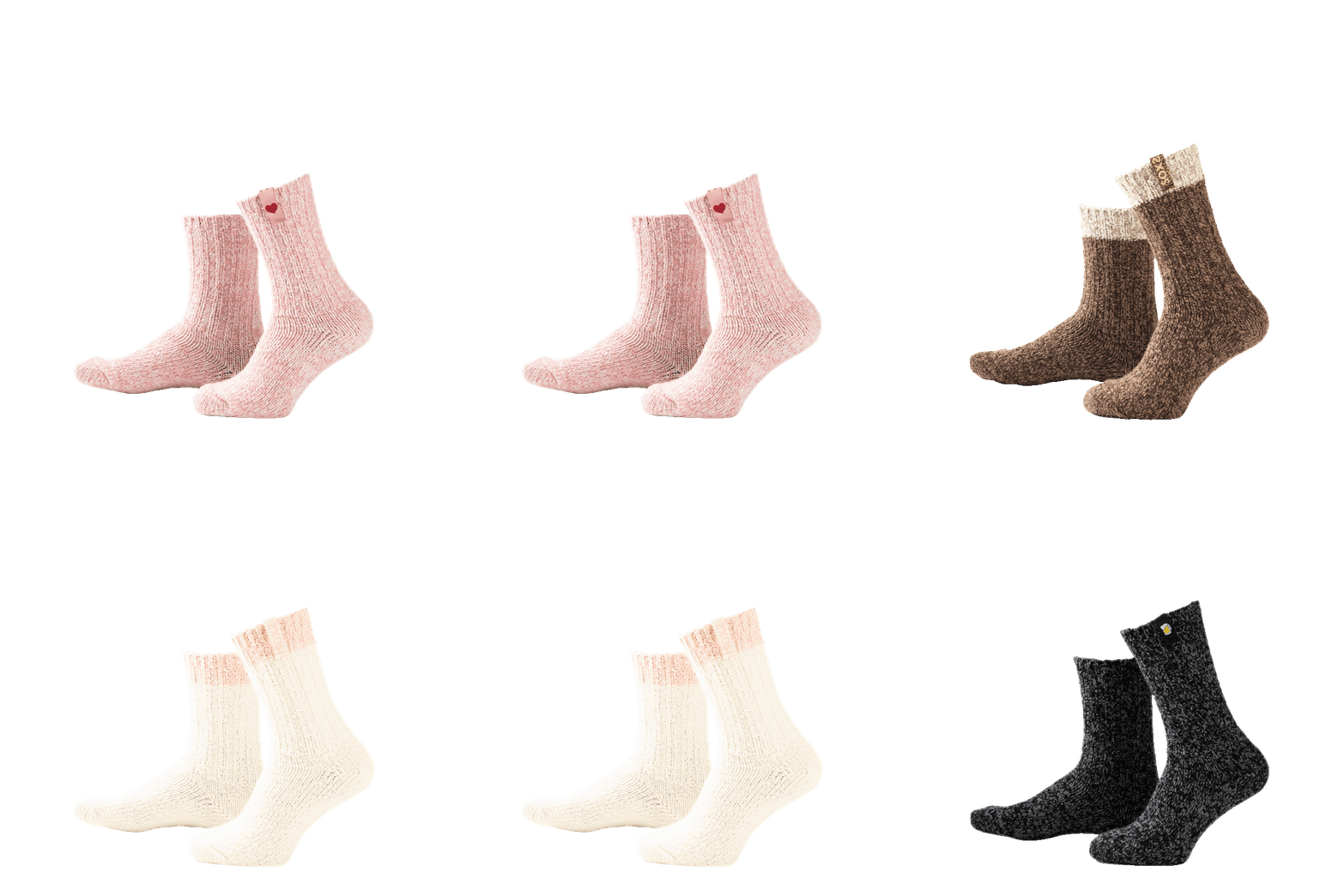
Soft warm premium wool socks
Gift ready, stylishly packaged
Orders placed before 1:00 PM will be shipped today (on weekdays) PLEASE NOTE: The delivery time of Pimp My Soxs is 5 working days!

If you’ve ever noticed those blue, twisted veins snaking across your legs, you’re not alone. Varicose veins affect millions of people worldwide, causing everything from an unsightly appearance to genuine discomfort. The good news? Compression socks offer a simple, non-invasive way to manage these troublesome veins and improve your overall leg health.
These specially designed medical socks work by applying graduated pressure to your legs, helping blood flow more efficiently back to your heart. Whether you’re dealing with existing varicose veins or want to prevent them from developing, understanding how compression therapy can benefit your vein health is the first step toward healthier, more comfortable legs.
Compression technology addresses varicose vein symptoms through a brilliantly simple principle: graduated pressure. These medical socks apply the strongest pressure at your ankle, gradually decreasing as they move up your leg. This design mimics your body’s natural muscle pump action, encouraging blood to flow upward against gravity.
When you have varicose veins, the tiny valves inside your veins become weakened or damaged, allowing blood to pool in your legs. Compression socks provide external support that helps these faulty valves work more effectively. The gentle, consistent pressure prevents blood from flowing backward and reduces the venous pooling that makes varicose veins worse.
The beauty of compression therapy lies in its immediate effect on circulation. As soon as you put on properly fitted compression socks, they begin working to support your vein walls and encourage better blood flow throughout your legs.
Your heart pumps blood down to your legs easily with gravity’s help, but getting that blood back up requires your leg muscles and vein valves to work together. When you have varicose veins, this return journey becomes much more challenging.
Compression socks create upward pressure that assists your natural circulation system. Think of them as giving your leg muscles a helping hand with every step you take. The graduated compression design ensures blood keeps moving in the right direction toward your heart rather than pooling in your lower legs.
This improved blood flow doesn’t just help with varicose veins; it also delivers more oxygen and nutrients to your leg tissues. Many people notice their legs feel more energised and less heavy within hours of wearing compression socks for the first time.
Swelling often goes hand in hand with varicose veins, creating that uncomfortable, heavy feeling in your legs. This happens when fluid builds up in your leg tissues due to poor circulation and increased pressure in your veins.
Compression therapy helps prevent this fluid buildup by maintaining consistent pressure on your leg tissues. The gentle squeeze helps push excess fluid back into your circulatory system, where it can be properly processed by your body. This is particularly effective for people who spend long hours standing or sitting, as these positions tend to worsen both varicose veins and swelling.
You’ll often notice the difference most dramatically at the end of the day. Instead of swollen, puffy ankles and calves, your legs maintain a more normal appearance and feel significantly more comfortable.
That tired, heavy feeling in your legs is one of the most common complaints from people with varicose veins. It’s not just in your head – it’s a real symptom caused by poor blood circulation and increased pressure in your leg veins.
Compression socks provide structural support that reduces the burden on your weakened veins. By improving blood flow and reducing the pooling that creates pressure, they directly address the root cause of leg aching and heaviness. Many people describe the relief as feeling like their legs have been “lifted” or supported from the inside.
This relief is particularly noticeable after long periods of standing or at the end of a busy day. The consistent support helps prevent the accumulation of discomfort that builds up when your veins struggle to circulate blood effectively.
One of the most valuable benefits of compression therapy is its ability to slow down the progression of existing varicose veins. Without proper support, varicose veins tend to worsen over time as the damaged valves become less effective and vein walls stretch further.
Regular use of compression socks helps maintain the current condition of your veins by providing the external support they need to function better. This can help prevent new varicose veins from forming and stop existing ones from becoming more prominent or painful.
Think of compression socks as a daily investment in your long-term vein health. While they won’t cure existing varicose veins, they can significantly slow their progression and help maintain your current level of comfort and mobility.
Varicose veins develop when the walls of your veins become weak and the tiny valves inside them stop working properly. These valves are supposed to prevent blood from flowing backward, but when they fail, blood pools in your legs and creates those bulging, twisted veins.
Compression therapy provides external structural support to these weakened components. The graduated pressure helps your vein walls maintain their shape and assists the faulty valves in directing blood flow upward. It’s like giving your circulatory system a supportive framework to work within.
This external support is particularly important during activities that put extra strain on your veins, such as prolonged standing, heavy lifting, or even long flights. The consistent pressure helps your veins cope with these challenges more effectively.
Poor circulation doesn’t just affect your legs – it can impact your overall energy levels too. When blood isn’t circulating efficiently, your leg muscles don’t receive optimal oxygen and nutrients, leading to fatigue and that sluggish feeling.
Improved circulation from compression socks leads to better oxygen delivery to your leg muscles and more efficient removal of waste products like lactic acid. This enhanced circulation can help you feel more energetic and reduce the leg fatigue that often accompanies varicose veins.
Many people report feeling more active and comfortable throughout the day when wearing compression socks regularly. The improved blood flow helps maintain your energy levels and reduces the afternoon slump that poor circulation can cause.
Choosing the right compression level is crucial for getting the benefits you need without causing discomfort. Compression is measured in millimetres of mercury (mmHg), and different levels suit different conditions and activities.
For mild to moderate varicose veins, 15 to 20 mmHg compression is often sufficient for daily wear and prevention. This level provides gentle support that’s comfortable for all-day use and suitable for people new to compression therapy.
More severe varicose veins typically benefit from 20 to 30 mmHg compression, which provides stronger support for damaged veins and better symptom relief. This level is often recommended by healthcare professionals for people with significant vein problems or those who spend long hours on their feet.
It’s always wise to consult a healthcare provider about the most appropriate compression level for your specific situation, especially if you have other health conditions or severe varicose veins.
Many people with varicose veins experience uncomfortable leg cramps or restless sensations that disrupt their sleep. These symptoms often result from poor circulation and the buildup of metabolic waste products in leg muscles throughout the day.
While you typically won’t wear compression socks to bed, the improved circulation from daytime wear can help reduce nighttime symptoms. Better blood flow during the day means less fluid buildup and fewer waste products accumulating in your leg tissues.
Some people find that wearing light compression socks in the evening while relaxing helps prepare their legs for a more comfortable night’s sleep. The improved circulation can help reduce the restless sensations that make it difficult to fall asleep.
Whether you’re working at a desk, travelling, or simply relaxing for extended periods, prolonged sitting can worsen varicose vein symptoms. Blood tends to pool in your legs when you’re inactive, increasing pressure in your veins and causing discomfort.
Compression socks help your legs recover more quickly from these periods of inactivity by maintaining better circulation even when you’re not moving around. The graduated pressure continues to encourage blood flow back to your heart, reducing the post-sitting discomfort that many people with varicose veins experience.
This is particularly valuable for office workers, frequent travellers, or anyone whose lifestyle involves long periods of sitting. The consistent support helps minimise the negative effects of prolonged inactivity on your vein health.
Compression therapy works exceptionally well alongside other varicose vein management strategies. Whether you’re doing regular exercise, elevating your legs, making dietary changes, or undergoing medical procedures, compression socks can enhance the effectiveness of these treatments.
For people considering or recovering from medical procedures like sclerotherapy or vein removal, compression socks are often an essential part of the treatment plan. They help optimise results and speed recovery by maintaining proper circulation and reducing swelling.
The beauty of compression therapy is that it’s completely non-invasive and can be safely combined with virtually any other varicose vein treatment. It provides consistent, daily support that helps maximise the benefits of other interventions.
SOXS provides the comprehensive solution you need for effective varicose vein management through our premium compression sock collection. Our medical-grade compression socks deliver the precise graduated pressure required to support your vein health while maintaining exceptional comfort for all-day wear.
Here’s how SOXS makes a difference for your varicose vein management:
Don’t let varicose veins limit your comfort and confidence any longer. Explore our complete range of compression socks designed specifically for vein health and discover the difference that professional-quality compression therapy can make in your daily life.
For optimal results, wear compression socks throughout your active day, typically from morning until evening. Most healthcare professionals recommend wearing them for 8-12 hours daily, putting them on first thing in the morning when swelling is minimal and removing them before bed. Consistency is key – daily wear provides better long-term benefits than sporadic use.
Yes, compression socks are excellent for exercise and can actually enhance your workout performance. They improve circulation during physical activity, reduce muscle fatigue, and may help prevent exercise-related leg cramps. Many athletes use compression socks specifically for their performance and recovery benefits, making them ideal for people with varicose veins who want to stay active.
Properly fitted compression socks should feel snug but not painful, with the strongest pressure at your ankle gradually decreasing up your leg. They shouldn’t bunch up, slide down, or create deep indentations in your skin. If you experience numbness, tingling, or increased pain, they may be too tight. Most reputable brands provide detailed sizing charts based on ankle and calf measurements.
Medical-grade compression socks provide graduated pressure measured in mmHg and are specifically designed to improve circulation, while regular support stockings offer general comfort without therapeutic benefits. True compression socks apply the highest pressure at the ankle (15-30+ mmHg) and gradually decrease up the leg, whereas support stockings typically provide uniform, lighter pressure throughout.
Many people notice immediate relief from leg heaviness and improved comfort within hours of first wearing compression socks. Swelling reduction is often visible by the end of the first day. However, long-term benefits like preventing varicose vein progression and sustained symptom improvement typically become more apparent after 2-4 weeks of consistent daily wear.
Absolutely! Compression socks are excellent for prevention, especially if you have risk factors like prolonged standing, family history, pregnancy, or age. They support healthy vein function and circulation before problems develop. People in high-risk occupations (nurses, teachers, retail workers) often use compression socks preventively to maintain long-term leg health and avoid developing varicose veins.
Start with a lower compression level (15-20 mmHg) and gradually work up to higher levels if needed. Ensure you’re putting them on correctly – smooth out wrinkles and pull them up gradually. If discomfort persists, check your sizing or consult a healthcare provider, as you may need a different compression level or style. Never ignore pain or numbness, as this indicates the socks are too tight.