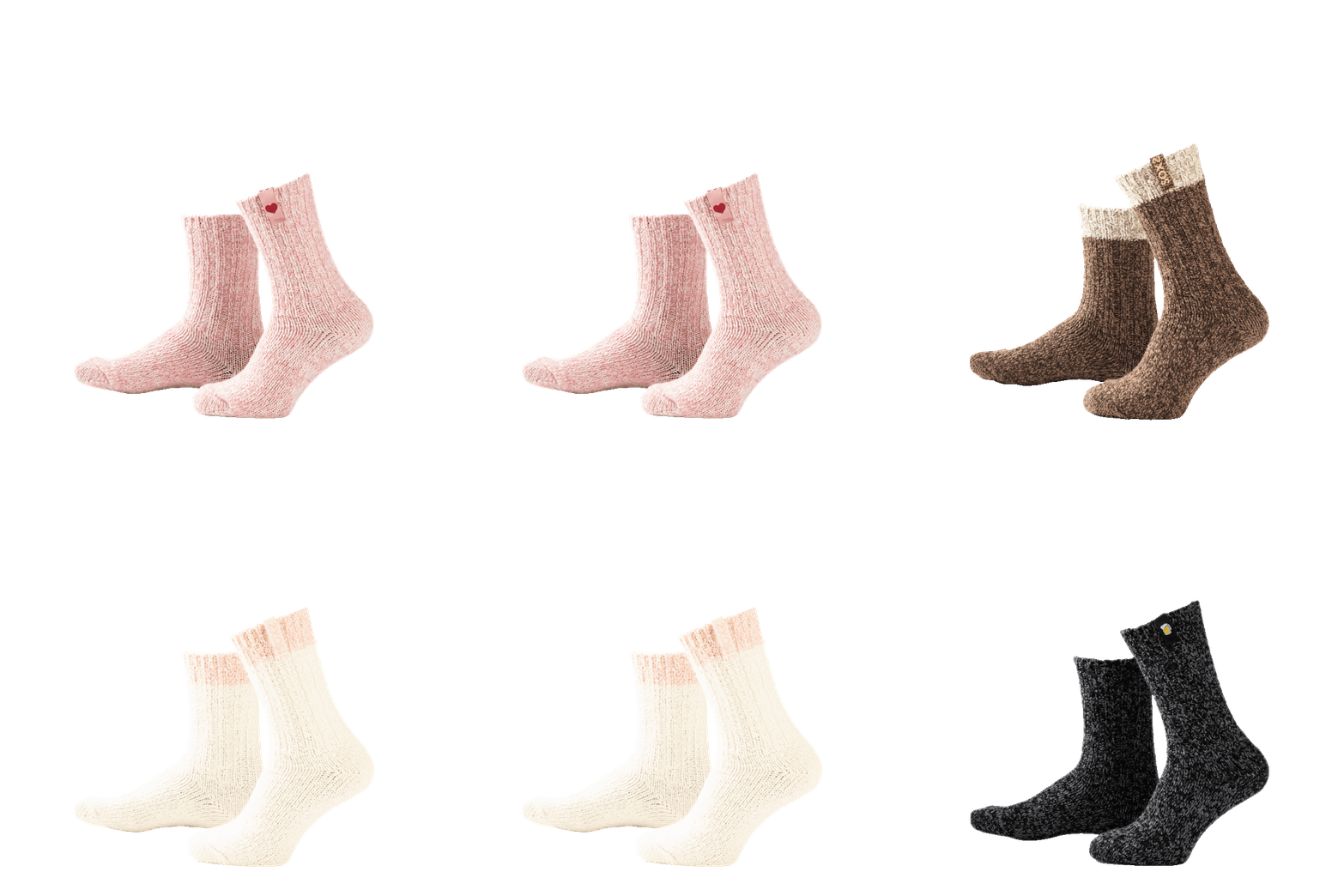
Soft warm premium wool socks
Gift ready, stylishly packaged
Orders placed before 1:00 PM will be shipped today (on weekdays) PLEASE NOTE: The delivery time of Pimp My Soxs is 5 working days!

As we age, our bodies undergo natural changes that affect circulation, temperature regulation, and comfort needs. Simple pleasures like warm, comfortable feet become increasingly important for daily well-being. While synthetic materials might seem convenient, wool offers unique properties that make it particularly valuable for seniors seeking both comfort and health benefits.
The natural characteristics of wool, from its temperature-regulating abilities to its gentle touch on sensitive skin, address many concerns that become more pronounced with age. Whether you’re dealing with circulation issues, sensitive skin, or simply want reliable comfort throughout your day, understanding wool’s benefits can help you make informed choices about your footwear.
Wool’s unique fibre structure creates tiny air pockets that naturally insulate your feet, keeping them warm in cold conditions and preventing overheating when temperatures rise. Unlike synthetic materials that trap heat and moisture, wool adapts to your body’s needs throughout the day.
This temperature regulation becomes particularly important as circulation naturally decreases with age. Merino wool, in particular, maintains its insulating properties even when slightly damp, ensuring your feet stay comfortable regardless of weather conditions or activity levels.
For seniors who experience temperature fluctuations or have difficulty regulating body heat, wool provides consistent comfort without the need to constantly adjust clothing layers or worry about overheating indoors.
Wool naturally draws moisture away from your skin, creating a dry environment that reduces the risk of fungal infections, blisters, and other foot health issues. This moisture management is particularly beneficial for seniors who may have limited mobility to change socks frequently or address foot problems quickly.
The fibre can absorb up to 30% of its weight in moisture without feeling damp or uncomfortable. This means your feet stay dry even during longer periods of wear, reducing the breeding ground for bacteria and fungi that thrive in moist environments.
Natural breathability ensures air circulation around your feet, further supporting healthy foot conditions and preventing the uncomfortable clammy feeling associated with synthetic materials.
Quality wool fibres are naturally smooth and flexible, creating a gentle cushioning effect that protects sensitive skin from chafing and pressure points. This softness becomes increasingly important as skin becomes more delicate with age.
The natural elasticity of wool allows the fabric to move with your foot rather than creating rigid pressure points. This reduces friction that can lead to blisters, calluses, or skin irritation, which is particularly important for seniors who may have reduced sensation in their feet.
Unlike rough synthetic materials or poorly processed cotton, premium wool feels comfortable against the skin from the moment you put it on, without requiring a “breaking-in” period that might cause temporary discomfort.
Wool contains natural antimicrobial compounds that resist bacteria and odour-causing microbes. This inherent protection provides hygiene benefits that are especially valuable for seniors who may have mobility challenges or difficulty with frequent laundry routines.
The natural structure of wool fibres creates an environment that’s inhospitable to bacterial growth, meaning wool socks stay fresher longer than synthetic alternatives. This reduces the need for daily sock changes while maintaining good foot hygiene.
For seniors in care facilities or those with limited assistance with daily routines, wool’s natural odour resistance provides confidence and comfort, reducing concerns about foot odour between changes.
High-quality wool products are remarkably durable, often lasting for years with proper care. This longevity provides economic benefits and reduces the frequency of shopping trips, a particular advantage for seniors with limited mobility or transportation options.
Wool fibres are naturally resilient and resist wear better than many synthetic alternatives. The combination of merino wool with small amounts of synthetic fibres for reinforcement creates socks that maintain their shape, softness, and performance through countless washes.
This durability means fewer replacements are needed over time, making wool a cost-effective long-term investment despite higher initial costs compared to basic synthetic options.
Unlike cotton or synthetic materials that lose their insulating properties when damp, wool maintains warmth even when wet. This unique characteristic provides safety and comfort benefits for seniors in various weather conditions.
The science behind this lies in wool’s fibre structure and natural oils. When wool absorbs moisture, it actually generates a small amount of heat through a process called the “heat of sorption.” Combined with the air-trapping properties of the crimped fibres, this keeps feet warm even in damp conditions.
This property is particularly valuable for seniors who may be caught in unexpected weather or have difficulty quickly changing out of damp footwear. Wool provides reliable warmth regardless of moisture conditions, offering peace of mind during outdoor activities.
Wool fibres naturally stretch and recover, accommodating foot swelling and shape changes that commonly occur with ageing. This elasticity ensures a comfortable fit throughout the day, even as feet naturally expand or change shape.
Many seniors experience foot swelling due to circulation issues, medication side effects, or prolonged sitting. Wool’s natural give allows socks to accommodate these changes without becoming uncomfortably tight or losing their supportive properties.
The natural stretch and recovery of wool means socks maintain their shape wash after wash, providing a consistent fit and support rather than becoming loose or baggy over time.
Wool is naturally flame-resistant, providing an additional safety benefit for seniors who may have slower reaction times or mobility limitations. Unlike synthetic materials that can melt and stick to the skin, wool chars and self-extinguishes when exposed to flame.
This safety feature is particularly relevant for seniors who spend time near fireplaces, use heating pads, or may have reduced awareness of heat sources due to medication effects or sensory changes.
While no one plans for accidents, wool’s inherent flame resistance provides an extra layer of protection without requiring chemical treatments that might irritate sensitive skin.
Quality merino wool is naturally hypoallergenic and suitable for most people with allergies or sensitive skin conditions. The smooth fibre structure and natural properties make it gentler than many synthetic alternatives.
As skin becomes more sensitive with age, the hypoallergenic nature of wool becomes increasingly valuable. Unlike some synthetic materials that can cause reactions or irritation, wool provides comfort without triggering sensitivities.
The natural breathability and moisture management of wool also help prevent skin conditions that can develop in warm, moist environments, supporting overall foot health for those with sensitive skin.
Modern wool products require surprisingly little maintenance. Natural odour resistance means less frequent washing, and many wool items can be air-dried and refreshed rather than requiring full wash cycles after each wear.
This low-maintenance aspect particularly benefits seniors with limited mobility or energy for frequent laundry routines. Wool socks can often be worn multiple times before washing, and when washing is needed, the process is straightforward.
The reduced care requirements mean more time for activities you enjoy and less worry about maintaining your comfort essentials, making wool an ideal choice for simplified daily routines.
The natural properties of wool address many comfort and health concerns that become more significant with age. From temperature regulation and moisture management to durability and safety features, wool offers comprehensive benefits that synthetic alternatives simply cannot match.
When considering wool products, look for quality merino wool blends that combine natural benefits with modern durability enhancements. The investment in comfort, health benefits, and longevity makes wool an intelligent choice for seniors prioritising well-being and practical value.
SOXS provides the perfect solution for seniors seeking premium wool sock comfort through our carefully crafted merino wool collection. Our socks address the specific needs discussed throughout this article:
At SOXS, we understand these needs and craft our wool socks specifically to deliver the comfort and reliability that matter most. You can explore our complete range of premium wool socks in our shop, where we offer carefully crafted options designed for maximum comfort and durability. Your feet deserve the natural luxury and practical benefits that only quality wool can provide.
Wash wool socks in cool water (30°C or less) with a gentle, wool-specific detergent, and avoid fabric softeners which can damage the fibres. Air dry them flat rather than using a dryer, and turn them inside out before washing to protect the outer surface. With proper care, quality wool socks can last 2-3 years of regular wear.
No, wool’s natural temperature regulation actually prevents overheating by wicking moisture away and allowing air circulation. Lightweight merino wool socks are comfortable year-round, adapting to your body temperature rather than trapping heat like synthetic materials. Many seniors find wool more comfortable than cotton even in warm weather.
Wool socks can be beneficial for people with diabetes due to their moisture-wicking properties and soft, non-binding fit. However, always choose seamless or flat-seam wool socks to avoid pressure points, and consult your healthcare provider about appropriate sock choices. The natural antimicrobial properties also help reduce infection risk.
Merino wool has much finer, softer fibres than regular wool, making it less likely to cause itching or irritation on sensitive skin. It also has superior moisture-wicking and odour-resistant properties, and maintains its shape better over time. For seniors with sensitive skin or comfort concerns, merino wool is the preferred choice.
True wool allergies are rare—most reactions are caused by rough processing or lanolin sensitivity. Start by trying high-quality merino wool socks for short periods and watch for redness, itching, or irritation. If you experience reactions, look for lanolin-free wool options or consult an allergist to determine if it’s a true wool allergy.
Yes, wool socks typically offer better value long-term due to their durability, reduced washing frequency, and health benefits. While the initial cost is higher, quality wool socks last 3-5 times longer than cotton socks and provide superior comfort and foot health benefits that can prevent costly foot problems later.
Look for socks labeled as merino wool or wool blends with 15-25% synthetic fibres for durability. Choose seamless toe construction, cushioned soles, and ensure proper sizing—wool socks should fit snugly but not tight. Start with a medium thickness and consider purchasing from reputable brands that offer comfort guarantees.