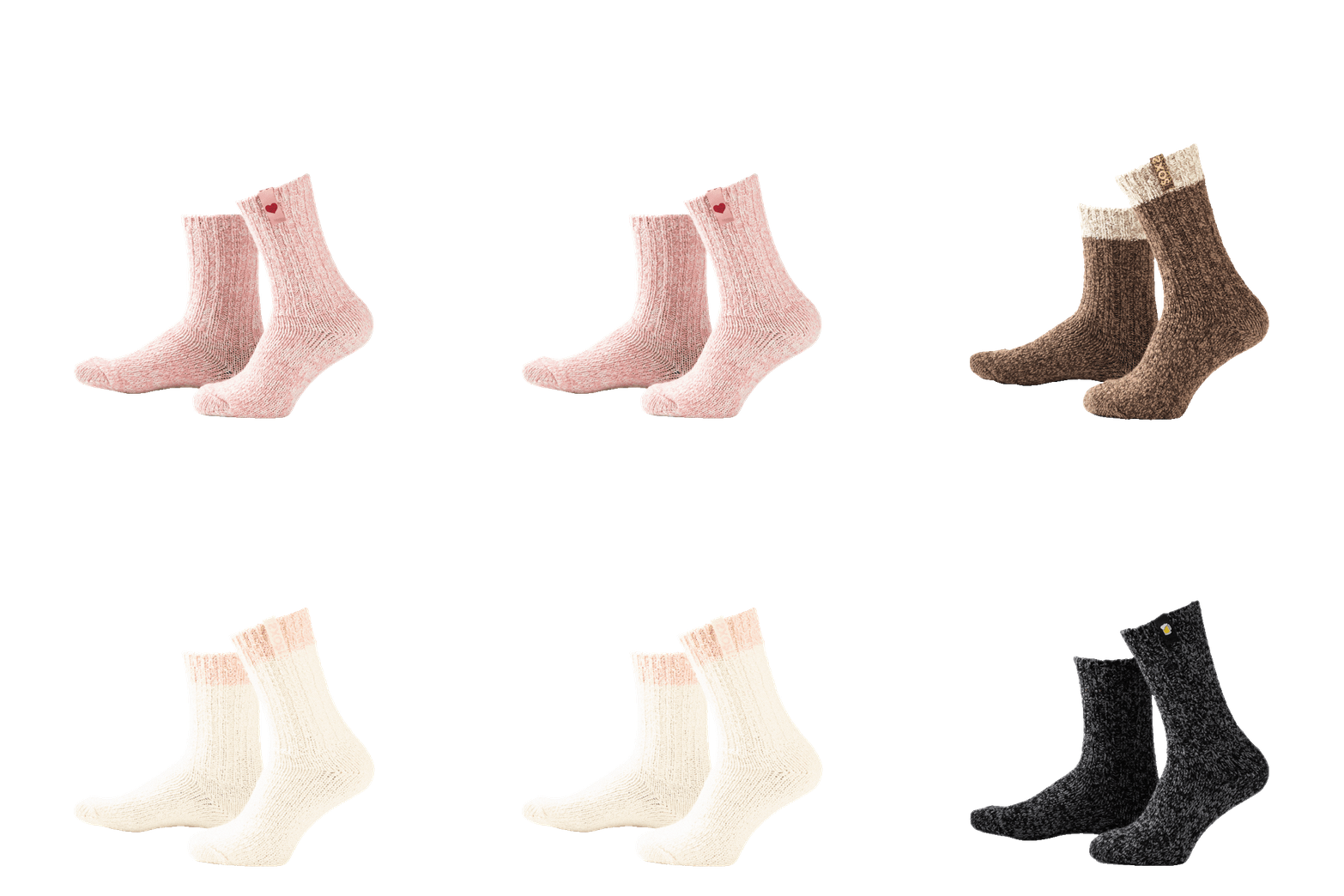

Soft warm premium wool socks
Gift ready, stylishly packaged
Orders placed before 1:00 PM will be shipped today (on weekdays) PLEASE NOTE: The delivery time of Pimp My Soxs is 5 working days!

Socks go stiff after washing because detergent residue, minerals from hard water, and heat from tumble drying break down the natural fibres and leave behind deposits that harden the fabric. The result is a sock that feels rough and inflexible instead of soft and comfortable. Understanding exactly what causes this makes it much easier to prevent and reverse.
Socks become stiff after washing when soap residue is not fully rinsed out, when heat damages the fibres, or when mineral deposits from the water settle into the fabric. These factors combine to create a crusty, rigid texture that is especially noticeable in thicker socks. The good news is that all three causes are preventable with a few simple adjustments to your washing routine.
Detergent is the most common culprit. When you use too much of it, or when the rinse cycle is not long or thorough enough, a thin layer of soap remains trapped in the fibres. Once the sock dries, that residue hardens and gives the fabric a stiff, almost cardboard-like feel. Reducing the amount of detergent you use and running an extra rinse cycle can make a noticeable difference immediately.
Heat is the second major factor. High temperatures, whether from a hot wash or a tumble dryer on a high setting, cause natural fibres to contract and synthetic fibres to lose their elasticity. The structure of the fabric becomes compressed, and once it dries in that state, stiffness sets in. Air drying at room temperature is always the gentler and more effective option for preserving the softness of your socks.
Yes, the material of a sock has a significant effect on how stiff it becomes after washing. Natural fibres like wool respond differently to heat and detergent than synthetic materials do, and understanding these differences helps you choose the right care routine for each pair.
Wool socks, including those made from ethically obtained wool like the ones we make at SOXS, are naturally resilient and breathable, but they do require gentle handling. Wool fibres have a natural crimp that gives them softness and bounce. When exposed to high heat or aggressive detergents, those fibres can felt together or lose their structure, resulting in a sock that feels dense and stiff. Washed correctly at a low temperature with a mild detergent, however, wool socks stay beautifully soft wash after wash.
Synthetic materials like polyester and nylon tend to retain their shape under heat but can develop a rough, scratchy texture when detergent residue builds up over time. Cotton socks are particularly prone to stiffness because cotton fibres absorb water and minerals deeply, and without a softener or a thorough rinse, they dry in a compressed state. Blended fabrics sit somewhere in between, depending on which fibre makes up the majority of the sock.
Hard water is a significant and often overlooked cause of stiff socks after washing. Hard water contains elevated levels of calcium and magnesium minerals. When water evaporates from fabric during drying, those minerals are left behind as deposits inside the fibres, creating a rough, rigid texture that worsens with every wash cycle.
If you live in an area with hard water and your socks feel increasingly stiff over time despite using the right detergent and washing temperature, the water itself is likely the issue. Adding a water softener to your washing machine or using a dedicated laundry product designed for hard water areas can help significantly. Some people also add a small amount of white vinegar to the rinse cycle, as the mild acidity helps dissolve mineral deposits without damaging the fabric.
It is worth noting that hard water also reduces the effectiveness of detergent, which means you might instinctively use more of it to get a good lather. This creates a cycle where more residue is left behind, compounding the stiffness problem. Using a detergent specifically formulated for hard water conditions and using it in the correct quantity breaks that cycle.
Socks that have already gone stiff can often be restored to their original softness with a few targeted techniques. The approach depends on what caused the stiffness in the first place, but most stiff socks respond well to a combination of soaking, rinsing, and gentle stretching while damp.
Fill a basin with lukewarm water and add a generous splash of white vinegar. Submerge the stiff socks and leave them to soak for around 30 minutes. The vinegar breaks down mineral deposits and detergent residue without harming the fibres. After soaking, rinse thoroughly with clean water and gently squeeze out the excess moisture without wringing. Lay flat or hang to air dry.
A small amount of fabric softener diluted in lukewarm water works in a similar way. Soak the socks for 20 to 30 minutes, then rinse and air dry. For wool socks in particular, choose a softener that is labelled as safe for wool or delicate fabrics, as harsher formulas can damage the natural fibre structure. Once dry, gently stretch the socks back into shape with your hands to restore their original feel.
For wool socks that have gone stiff, a dedicated wool wash or a drop of hair conditioner in the rinse water can work wonders. Wool fibres respond beautifully to conditioning agents, and a brief soak followed by a careful rinse and flat drying will often bring a stiff pair back to life. You can find more detailed advice on caring for your wool socks on our sock care page.
The best way to wash socks and prevent stiffness is to wash them at a low temperature, use a small amount of gentle detergent, rinse thoroughly, and air dry rather than tumble dry. Following these steps consistently protects the fibres, prevents residue build-up, and keeps your socks soft and comfortable for much longer.
Here is a simple routine that works well for most sock types, including wool:
For our SOXS wool socks, we always recommend a gentle hand wash or a delicate machine cycle at 30 degrees. Our socks are crafted from ethically obtained wool that is naturally soft and durable, and with the right care they stay that way for years. If you are curious about what makes our wool socks stand out, take a look at our original collection or explore our full range at SOXS.
Taking a few extra minutes with your laundry routine makes a real difference. Socks that are washed with care not only feel better on your feet but also last significantly longer, which is better for your wallet and for the planet.