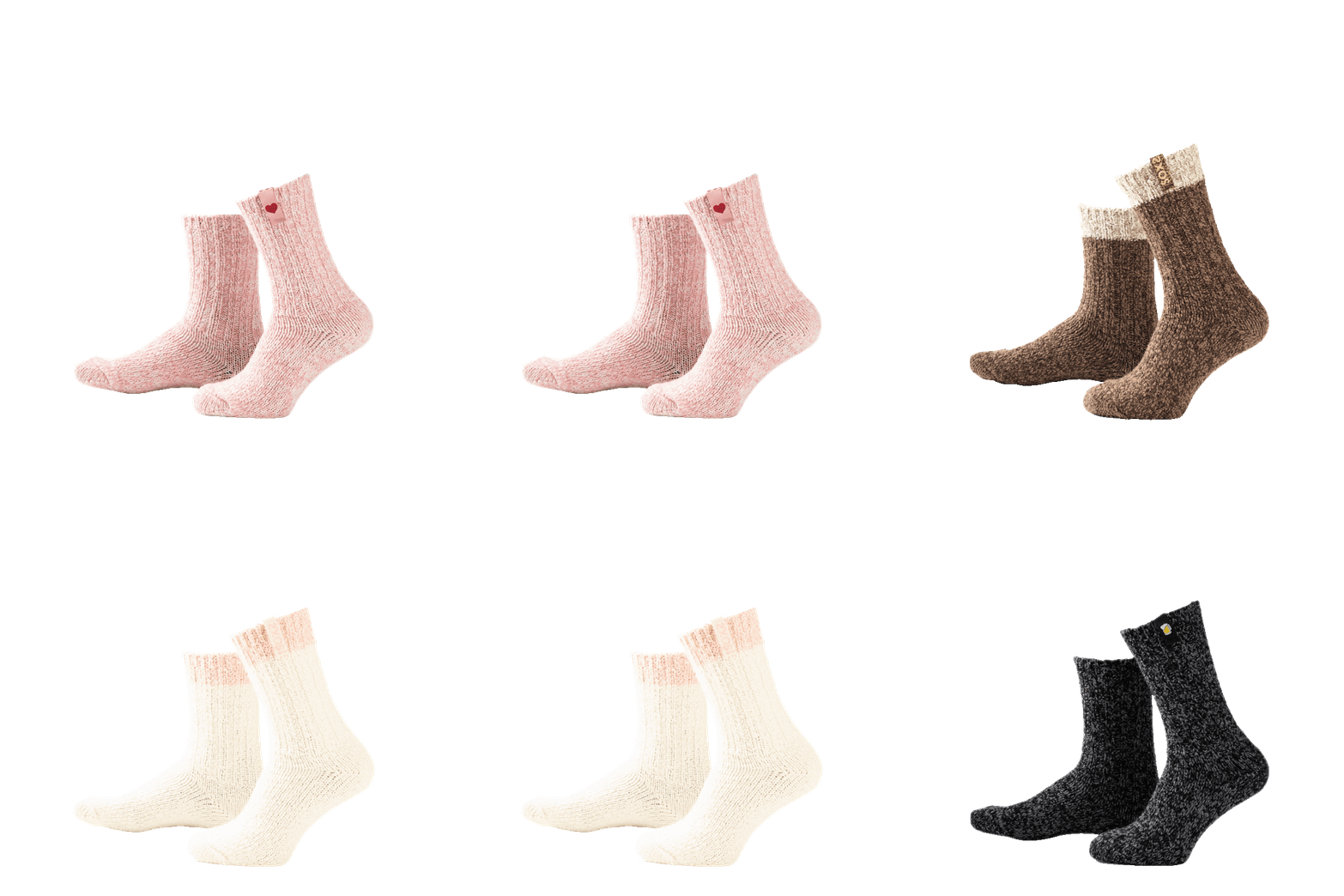
Soft warm premium wool socks
Gift ready, stylishly packaged
Orders placed before 1:00 PM will be shipped today (on weekdays) PLEASE NOTE: The delivery time of Pimp My Soxs is 5 working days!

Living with diabetic neuropathy brings unique challenges, especially when it comes to foot care and daily comfort. The right socks can make a significant difference in managing symptoms and protecting your feet, while the wrong choice might actually worsen discomfort. Understanding how your sock selection affects diabetic neuropathy is essential for maintaining healthy feet and improving your quality of life.
Many people don’t realize that something as simple as their sock choice plays a crucial role in diabetic foot health. From moisture management to pressure distribution, every aspect of your socks affects how your feet feel throughout the day.
Diabetic neuropathy is nerve damage caused by prolonged high blood sugar levels, most commonly affecting the feet and lower legs. This condition reduces sensation in your feet, making it difficult to detect injuries, temperature changes, or pressure points that could lead to serious complications.
Reduced sensation means you might not notice when your socks are too tight, when moisture builds up, or when small irritations develop into larger problems. Additionally, diabetic neuropathy often affects blood circulation, making your feet more susceptible to temperature extremes and slower to heal from minor injuries. Many people with this condition also experience tingling, burning sensations, or sharp pains that can be aggravated by poorly fitting or inappropriate socks.
Your feet become more vulnerable to infections, ulcers, and other complications because the protective warning system of pain and sensation is compromised. This makes choosing the right socks not just a matter of comfort, but a way to help prevent serious health issues.
Yes, inappropriate socks can significantly worsen diabetic neuropathy symptoms and increase your risk of complications. Tight elastic bands, rough seams, and moisture-trapping synthetic materials can create pressure points, reduce circulation, and promote bacterial growth that your compromised sensation might not detect.
Socks with thick seams or rough textures can cause friction and pressure that lead to blisters or sores. Since diabetic neuropathy reduces your ability to feel these developing problems, what starts as minor irritation can progress to serious wounds. Similarly, socks that don’t manage moisture effectively create an environment where bacteria and fungi thrive, potentially leading to infections that heal slowly due to poor circulation.
Overly tight socks restrict blood flow, which is already compromised in many people with diabetes. Reduced circulation can worsen numbness and tingling while slowing the healing process for any foot injuries that do occur.
The most beneficial sock features for diabetic neuropathy include seamless construction, moisture-wicking materials, graduated compression, and cushioned soles. These features work together to reduce pressure points, maintain healthy moisture levels, and provide gentle support without restricting circulation.
Seamless or flat-seam construction eliminates pressure points that could cause irritation or injury. Look for socks with smooth toe areas and minimal seaming throughout. Moisture-wicking materials keep feet dry, reducing the risk of fungal infections and bacterial growth that can be particularly dangerous for people with compromised immune systems.
Gentle, graduated compression can help improve circulation without being restrictive. The compression should be strongest at the ankle and gradually decrease up the leg. Cushioned soles provide extra protection for weight-bearing areas while still allowing for a proper fit within your shoes.
Wool socks offer exceptional moisture management, natural temperature regulation, and gentle cushioning, making them particularly suitable for people with diabetic neuropathy. Wool’s natural properties help maintain optimal foot health while providing comfort throughout the day.
The moisture-wicking properties of wool are superior to those of most synthetic materials, drawing perspiration away from the skin and allowing it to evaporate naturally. This keeps feet dry and reduces the risk of fungal infections, which can be serious complications for people with diabetes. Wool also naturally regulates temperature, keeping feet warm without overheating, which is important when temperature sensation is compromised.
High-quality wool socks often feature naturally smooth construction with minimal seaming. The soft, flexible nature of wool fibers provides gentle cushioning without creating bulk that might make shoes too tight. Wool’s natural elasticity also means socks maintain their shape without becoming restrictive over time.
When selecting socks for diabetic neuropathy, prioritize seamless construction, natural fiber content, proper fit, and light colors that make it easier to spot any bleeding or discharge. These features work together to protect your feet while making it easier to monitor their health.
Choose socks made from natural fibers like wool or bamboo that breathe well and wick moisture effectively. Avoid socks with tight elastic bands around the calf or ankle, opting instead for gentle, non-binding tops. The socks should fit properly without being too loose or too tight, with enough room in the toe area to prevent crowding.
Light-colored socks make it easier to notice any signs of bleeding, discharge, or other concerning changes that your reduced sensation might not detect. Look for socks specifically designed for sensitive feet, which often feature extra cushioning in high-pressure areas and antimicrobial treatments to reduce infection risk.
People with diabetic neuropathy should change socks at least daily, and more frequently if their feet become damp or if they’re particularly active. Fresh, dry socks are essential for preventing bacterial and fungal growth that can lead to serious infections.
If your feet tend to perspire heavily or if you notice any moisture buildup during the day, consider changing socks at midday. This is particularly important during warmer weather or when you’re more physically active. Always put on clean, dry socks after bathing or if your current socks become damp for any reason.
Keep spare socks at work or in your bag so you can change them if needed. Some people with diabetic neuropathy benefit from changing socks twice daily as part of their foot care routine, which also provides an opportunity to inspect their feet for any changes or problems.
At SOXS, we understand the importance of proper foot care for people managing diabetes. Our wool socks are crafted from ethically sourced New Zealand wool that naturally wicks moisture and regulates temperature, creating an optimal environment for sensitive feet.
Our diabetic-friendly features include:
Experience the difference that thoughtfully designed wool socks can make in your daily comfort and foot health. Browse our collection of premium wool socks designed with your well-being in mind, and take the first step toward better diabetic foot care today.