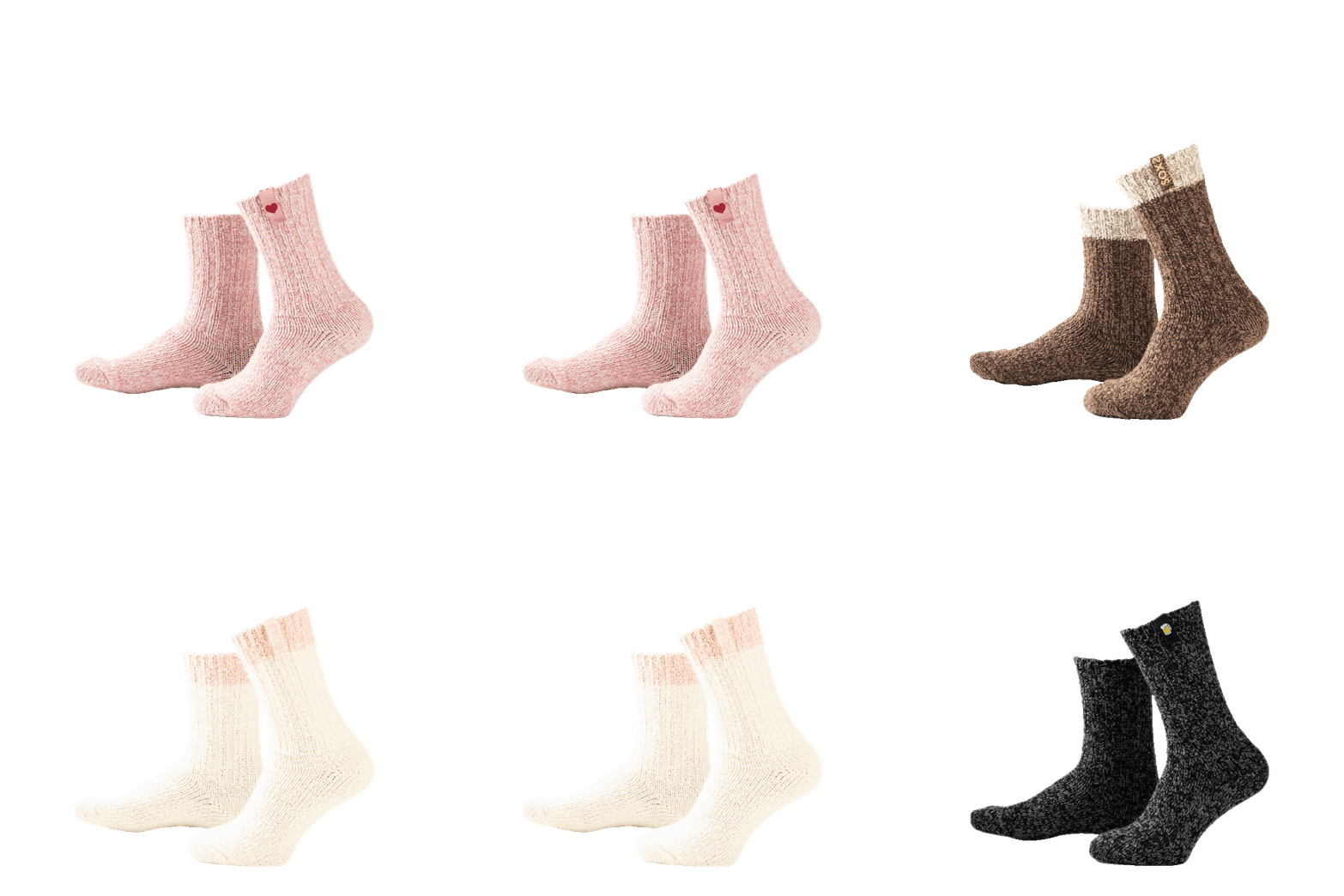
Soft warm premium wool socks
Gift ready, stylishly packaged
Orders placed before 1:00 PM will be shipped today (on weekdays) PLEASE NOTE: The delivery time of Pimp My Soxs is 5 working days!

When you live with diabetes, every choice you make about your feet matters more than you might realize. From the socks you pull on each morning to how often you replace them, these seemingly small decisions can have serious consequences for your health. Understanding common diabetic sock mistakes isn’t just about comfort but about preventing complications that could change your life forever.
Poor circulation, reduced sensation, and slower healing make your feet particularly vulnerable to problems that people without diabetes might easily overcome. The wrong sock choices can lead to blisters, ulcers, infections, and, in severe cases, even amputation. Let’s explore the most dangerous mistakes people with diabetes make when choosing and wearing socks.
People with diabetes should avoid cotton socks, synthetic blends that trap moisture, and any materials with rough textures or chemical treatments. Cotton retains moisture against the skin, creating an ideal environment for bacterial and fungal growth, while some synthetic materials can increase sweating and cause skin irritation.
Cotton might seem like a natural, comfortable choice, but it’s actually one of the worst materials for diabetic feet. When cotton gets wet from sweat or moisture, it stays wet and loses its insulating properties. This creates a breeding ground for bacteria and fungi that can lead to serious infections.
Synthetic materials like polyester or nylon blends often don’t breathe well, causing your feet to overheat and sweat excessively. The trapped moisture can soften your skin, making it more susceptible to breakdown and injury. Additionally, some synthetic materials can feel rough against sensitive diabetic skin, potentially causing friction and hot spots.
Materials with added chemicals, dyes, or treatments should also be avoided. These can cause allergic reactions or skin irritation, which heals more slowly in people with diabetes. Always check labels and choose socks made from breathable materials that wick moisture away from your skin.
Tight socks restrict blood flow to the feet and lower legs, which is particularly dangerous for people with diabetes who already have compromised circulation. Elastic bands and a snug fit create pressure points that reduce the flow of oxygen and nutrients to tissues, slowing healing and increasing the risk of infection.
When socks are too tight, they can act like a tourniquet around your legs and feet. This compression reduces the already limited blood flow that many people with diabetes experience. Poor circulation means less oxygen reaches your tissues, making them more vulnerable to damage and slower to heal when injured.
The elastic bands at the top of tight socks are particularly problematic. They can leave deep indentations in your skin and create pressure points that persist long after you remove the socks. These pressure areas can develop into sores or ulcers, especially if you have neuropathy and can’t feel the discomfort.
Tight socks can also interfere with temperature regulation in your feet. When blood flow is restricted, your feet may become cold, which can further reduce circulation and sensation. This creates a dangerous cycle where you’re more likely to injure yourself without realizing it.
Seamless socks reduce pressure points and friction that can cause blisters and ulcers on diabetic feet. Traditional sock seams create raised areas that rub against the skin, and people with reduced sensation may not notice the irritation until serious damage has occurred.
The seams in regular socks might seem insignificant, but for someone with diabetes, they can be extremely dangerous. Diabetic neuropathy reduces your ability to feel pain, pressure, or irritation, so you might not notice when a seam is rubbing against your skin and causing damage.
Even small areas of friction can quickly develop into open wounds on diabetic feet. The combination of poor circulation and high blood sugar means these wounds heal much more slowly than they would in people without diabetes. What starts as a minor irritation from a sock seam can progress to a serious ulcer requiring medical intervention.
Seamless socks are designed with flat or minimal seams that don’t create pressure points. This smooth construction protects your feet from unnecessary friction and helps maintain healthy skin integrity. The investment in seamless socks is minimal compared with the potential cost of treating diabetic foot ulcers.
Wearing the wrong sock size causes bunching, sliding, and pressure points that can lead to blisters, calluses, and ulcers on diabetic feet. Socks that are too large bunch up and create friction, while socks that are too small restrict circulation and create pressure areas that can lead to serious complications.
Socks that are too large don’t stay in place properly, causing them to bunch up inside your shoes. This bunching creates uneven pressure and friction points that can quickly develop into blisters or hot spots. Since people with diabetes often have reduced sensation, you might not feel these problem areas developing until significant damage has occurred.
Conversely, socks that are too small stretch tightly across your feet, creating pressure points and restricting circulation. The tight fit can reduce blood flow to your toes and other areas, making them more susceptible to injury and slower to heal. Socks that are too small can also slide down during wear, creating additional friction and pressure points.
Proper sock fit means the sock should conform to your foot shape without being tight or loose. There should be no bunching, sliding, or areas where the sock pulls or binds. Take the time to find socks in your exact size, and remember that sock sizes can vary between brands and styles.
People with diabetes should change their socks daily and wash them after every wear to help prevent bacterial and fungal infections. In addition, socks should be replaced with new pairs every 3 to 6 months, or sooner if they show signs of wear, thinning, or loss of elasticity, since worn socks provide less protection and support.
Daily sock changes are non-negotiable for diabetic foot health. Even if your socks don’t appear dirty, they accumulate moisture, dead skin cells, and bacteria throughout the day. Wearing the same socks for multiple days creates an environment where harmful microorganisms can multiply and potentially cause infections.
Beyond daily changes, you need to monitor the condition of your socks. Worn-out socks lose their protective qualities and can actually become harmful. Thin spots provide less cushioning and protection, while loose elastic means the socks won’t stay in the proper position. Areas where the fabric has become rough or developed holes can create new friction points.
Washing your socks properly is just as important as changing them regularly. Use mild detergents without harsh chemicals or fragrances, and make sure socks are completely dry before wearing them. Damp socks can promote fungal growth and skin breakdown. Consider having multiple pairs of quality diabetic socks so you always have clean, dry options available.
At SOXS, we understand that choosing the right socks is crucial for diabetic foot care. Our wool socks are crafted from ethically sourced New Zealand sheep’s wool, providing natural moisture-wicking and temperature-regulating properties that synthetic materials simply can’t match.
Our socks offer several benefits for people managing diabetes:
While our socks provide exceptional comfort and quality, they’re designed for everyday wear and relaxation rather than for specific medical use. For serious diabetic foot complications, always consult your healthcare provider about appropriate medical-grade diabetic socks and foot care strategies.
Experience the difference that quality, natural materials can make in your daily comfort. Browse our collection of premium wool socks and discover how the right choice in footwear can support your daily well-being and self-care routine.