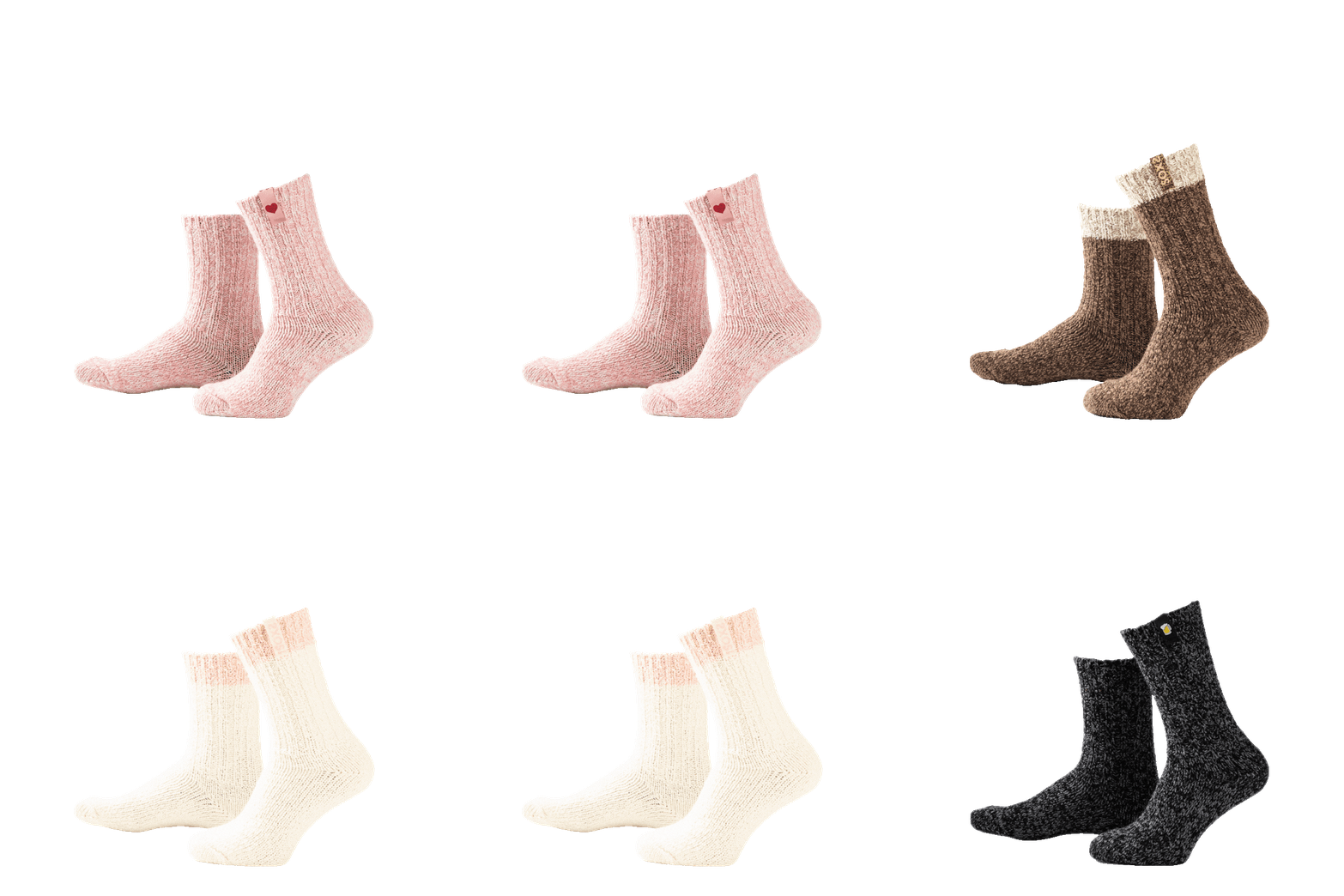
Soft warm premium wool socks
Gift ready, stylishly packaged
Orders placed before 1:00 PM will be shipped today (on weekdays) PLEASE NOTE: The delivery time of Pimp My Soxs is 5 working days!

Living with neuropathy can make even the simplest daily activities challenging, especially when it comes to finding comfortable footwear that doesn’t aggravate sensitive feet. Many people with neuropathy discover that the right socks can make a significant difference in their daily comfort. Wool socks for neuropathy have gained attention as a natural approach to managing foot discomfort, offering unique properties that synthetic materials simply can’t match.
Understanding how different materials affect neuropathy symptoms can help you make informed choices about what you wear on your feet. The natural characteristics of wool create an environment that supports foot health and comfort in ways that go beyond basic warmth and cushioning.
Neuropathy is nerve damage that commonly affects the peripheral nerves in your hands and feet, causing symptoms such as tingling, numbness, burning sensations, and heightened sensitivity to touch. Diabetic neuropathy and peripheral neuropathy are the most common forms, affecting millions of people worldwide.
When neuropathy affects your feet, you may experience a range of uncomfortable symptoms throughout the day. Your feet might feel constantly cold or unusually warm, making temperature regulation difficult. Nerve damage can also cause sharp, shooting pains or a persistent burning sensation that makes wearing regular socks uncomfortable. Additionally, reduced sensation in your feet increases the risk of injuries going unnoticed, making proper foot protection essential.
Many people with neuropathy find that their feet are extremely sensitive to pressure and texture. Even the seams in regular socks can feel irritating against damaged nerves. Poor circulation, which often accompanies neuropathy, can worsen these symptoms and slow the healing of minor cuts or blisters.
Wool socks provide natural temperature regulation and moisture management that can help reduce neuropathy discomfort by maintaining optimal foot conditions. The breathable nature of wool helps prevent the hot, sweaty environment that can worsen nerve sensitivity.
The natural cushioning properties of wool fibers create a gentler interface between your feet and your shoes. Unlike synthetic materials that can feel harsh against sensitive skin, wool has a soft, forgiving texture that moves with your feet rather than creating friction points. This reduced friction is particularly important for people with neuropathy, as reduced sensation makes them more vulnerable to developing sores or blisters without realizing it.
Wool’s ability to wick moisture away from your skin while maintaining warmth helps create a stable environment for your feet. This moisture management prevents clammy conditions that can increase discomfort and reduces the risk of fungal infections, which people with neuropathy are more prone to developing. The natural elasticity of wool also means the socks conform to your foot shape without creating tight spots that could restrict circulation.
Wool offers superior moisture management, temperature regulation, and natural antimicrobial properties compared to synthetic materials, making it ideal for the sensitive feet of people with neuropathy. Unlike synthetics, wool continues to insulate even when damp and naturally resists odor buildup.
Synthetic materials often trap moisture against your skin, creating an environment where bacteria and fungi can thrive. This is particularly problematic for people with neuropathy, who may not notice early signs of infection due to reduced sensation. Wool naturally wicks moisture away from your skin while allowing air circulation, keeping your feet drier and healthier.
The temperature-regulating properties of wool are also superior to most synthetic alternatives. Wool fibers can absorb and release moisture vapor, which helps maintain a consistent temperature around your feet. This prevents the extreme temperature fluctuations that can trigger neuropathy symptoms. Additionally, wool’s natural elasticity means it maintains its shape and cushioning properties longer than synthetic materials, providing consistent comfort over time.
Look for wool socks with seamless toe construction, graduated compression, extra cushioning at pressure points, and moisture-wicking properties specifically designed for sensitive feet. The sock should fit properly without being too tight or too loose.
Seamless toe construction is crucial for people with neuropathy because traditional toe seams can create pressure points that irritate damaged nerves. The sock should also have extra padding in the heel and forefoot areas, where pressure is typically greatest. However, avoid socks that are overly thick, as they can make shoes feel tight and restrict circulation.
The wool content should be high enough to provide the natural benefits of the fiber, but the sock may also include small amounts of other materials for durability and fit. Look for socks with moisture-wicking technology that pulls sweat away from your skin. Some neuropathy-specific wool socks also feature graduated compression, which can help improve circulation without being too restrictive.
Proper fit is essential. The sock should conform to your foot shape without bunching or creating wrinkles that could cause pressure points. The top band should be snug enough to stay up without cutting into your leg, and the sock should extend slightly above your shoe line to prevent chafing.
Wash wool socks in cool water with a gentle detergent and air-dry them to maintain their natural properties and extend their lifespan. Proper care ensures the socks continue to provide optimal comfort and protection for sensitive feet.
When you have neuropathy, maintaining the integrity of your wool socks is particularly important because worn-out or damaged socks can create new pressure points or lose their protective properties. Always turn your socks inside out before washing to protect the outer surface. Use a wool-specific detergent or a very mild regular detergent, and avoid fabric softeners, which can coat the fibers and reduce their natural moisture-wicking abilities.
Never put wool socks in the dryer, as the heat can cause them to shrink and lose their shape. Instead, gently squeeze out excess water and lay them flat on a clean towel to air-dry. This preserves the natural elasticity and cushioning that makes wool socks comfortable for people with neuropathy.
Replace your wool socks when you notice thinning in high-wear areas, loss of elasticity, or holes developing. For people with neuropathy, worn socks can become a safety hazard rather than a comfort aid. Having multiple pairs allows you to rotate them regularly, extending the life of each pair while ensuring you always have clean, dry socks available.
We understand that finding the right socks when you have neuropathy can feel overwhelming. That’s why SOXS creates premium wool socks using ethically sourced New Zealand sheep’s wool, designed with the comfort and well-being of sensitive feet in mind.
Our wool socks offer the natural benefits you need for daily comfort:
Experience the difference that quality wool can make in your daily comfort. Browse our collection of premium wool socks and discover how the right pair can support your journey toward better foot health and everyday well-being.