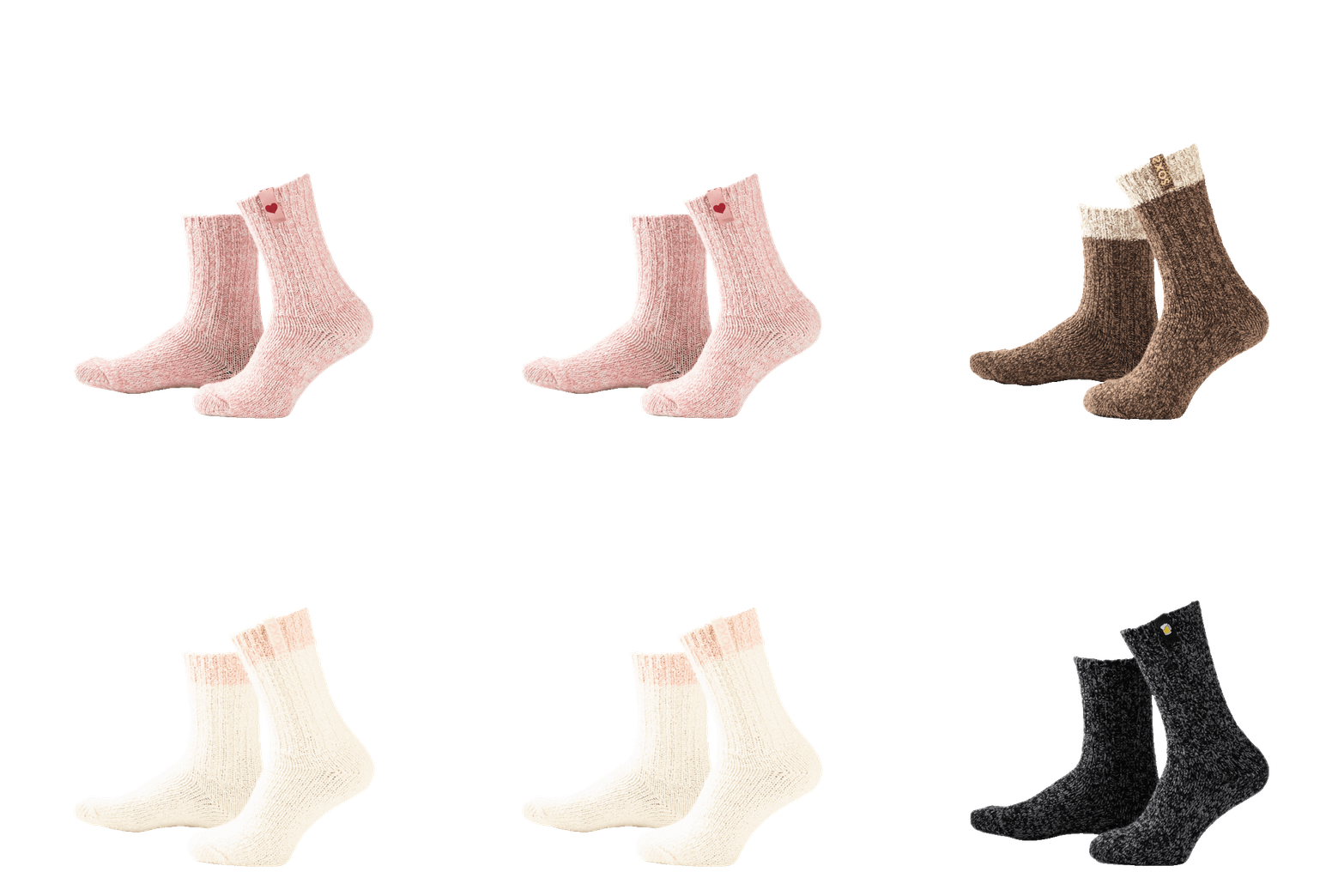
Soft warm premium wool socks
Gift ready, stylishly packaged
Orders placed before 1:00 PM will be shipped today (on weekdays) PLEASE NOTE: The delivery time of Pimp My Soxs is 5 working days!

If you struggle with neuropathy, you know how challenging it can be to find comfortable footwear that doesn’t aggravate sensitive feet. Constant burning, tingling, or numbness can make even the softest regular socks feel uncomfortable against your skin. Many people with nerve damage find that traditional sock seams create pressure points that worsen symptoms throughout the day.
Seamless socks have emerged as a potential solution for those seeking neuropathy pain relief. These specially designed socks eliminate the bulky toe seams found in regular socks, creating a smoother surface that reduces friction and pressure on sensitive feet. While they’re not a medical cure, many individuals with diabetic neuropathy and other forms of nerve damage report improved comfort when wearing seamless designs.
Neuropathy is nerve damage that commonly affects the feet and hands, causing symptoms such as burning, tingling, numbness, and sharp pain. Diabetic neuropathy is the most common form, but nerve damage can also result from injuries, infections, or other medical conditions.
Regular socks can worsen neuropathy symptoms in several ways. Traditional sock seams create raised areas that press against sensitive skin, potentially triggering pain signals in damaged nerves. Poorly fitting socks may bunch up or create wrinkles that form pressure points. Additionally, rough or synthetic materials can increase friction against already compromised skin, leading to irritation and discomfort that persists throughout the day.
The relationship between footwear and neuropathy comfort is significant because damaged nerves often become hypersensitive to touch and pressure. Even minor irritations that wouldn’t bother healthy feet can cause considerable discomfort for those with nerve damage.
Seamless socks are constructed without traditional toe seams, using specialized knitting techniques that create a smooth interior surface. Instead of stitching separate pieces together at the toe, these socks are knitted in one continuous piece or use flat-seam construction that lies flush against the fabric.
The key differences include the elimination of bulky seams that typically run across the toe area in regular socks. Traditional socks have raised seams that can create pressure points, while seamless varieties use techniques such as linking or flat-seam construction to minimize bulk. This construction method results in a smoother interior surface that reduces friction and pressure against sensitive skin.
Many seamless socks also feature additional comfort enhancements, such as cushioned soles, moisture-wicking materials, and graduated compression zones. These design elements work together to create a more comfortable wearing experience for individuals with sensitive feet.
Seamless socks help reduce neuropathy symptoms by eliminating pressure points and friction that can trigger pain in damaged nerves. The smooth interior surface minimizes irritation against hypersensitive skin, while the absence of bulky seams prevents concentrated pressure on specific areas of the foot.
The benefits extend beyond seam elimination. Many seamless designs incorporate moisture-wicking properties that help keep feet dry, reducing the risk of skin breakdown, which can be particularly problematic for those with reduced sensation. The improved fit of seamless construction also helps prevent bunching and wrinkles that could create additional pressure points.
For individuals with diabetic neuropathy, seamless socks can be particularly beneficial because they reduce the risk of developing blisters or sores that might go unnoticed due to reduced sensation. The smoother surface and better fit help maintain healthy skin on the feet.
Natural materials such as merino wool and bamboo fiber work well for neuropathy relief because they provide superior moisture management, temperature regulation, and softness against sensitive skin. Wool socks for neuropathy are particularly effective due to wool’s natural antimicrobial properties and its ability to maintain warmth even when damp.
Merino wool stands out as an excellent choice because it’s naturally soft and less likely to cause itching than traditional wool. It wicks moisture away from the skin while providing cushioning and temperature control. Bamboo fiber offers similar moisture-wicking properties with a silky-smooth texture that feels gentle against hypersensitive skin.
Synthetic blends can also be effective when they incorporate moisture-wicking technologies and soft textures. However, it’s important to avoid materials that retain moisture or feel rough against the skin, as these can exacerbate neuropathy symptoms. Cotton, while natural, tends to retain moisture and can become uncomfortable when damp.
The choice between compression and non-compression seamless socks depends on your specific symptoms and circulation needs. Mild compression can improve blood flow and reduce swelling, but excessive pressure may worsen nerve pain in some individuals with neuropathy.
Non-compression seamless socks are often the safer choice for those with severe neuropathy or reduced sensation, as they provide comfort benefits without the risk of restricting circulation or creating additional pressure. These socks focus on eliminating seam irritation and providing a comfortable fit.
If you’re considering compression socks, consult your healthcare provider first. Mild compression (8–15 mmHg) may be beneficial for some people with diabetic neuropathy, particularly if they also experience swelling. However, individuals with certain circulatory conditions or severe nerve damage may need to avoid compression entirely.
Choose seamless socks for neuropathy by prioritizing proper fit, soft materials, and moisture-wicking properties. Look for socks that fit snugly without being tight, as loose socks can bunch up and create pressure points, while overly tight socks may restrict circulation.
Key features to consider include flat-seam or truly seamless toe construction, cushioned soles for extra comfort, and breathable materials that keep feet dry. The sock should have enough stretch to accommodate any foot swelling that may occur throughout the day, but not so much that it loses its shape.
Consider your specific needs when selecting seamless socks. If you experience cold feet due to poor circulation, look for thermal properties in materials such as wool. For those who are active despite neuropathy, moisture-wicking synthetic blends might be more appropriate. Always check that the socks don’t have any internal tags or rough areas that could cause irritation.
At SOXS, we understand the importance of gentle, comfortable socks for sensitive feet. Our seamless wool socks are crafted from ethically sourced New Zealand merino wool, providing natural softness and moisture-wicking properties that can benefit those seeking comfortable socks for daily wear.
Our seamless construction eliminates bulky toe seams, while our premium wool offers:
Experience the difference that thoughtfully designed, seamless wool socks can make in your daily comfort. Explore our collection of premium seamless socks designed with your well-being in mind.