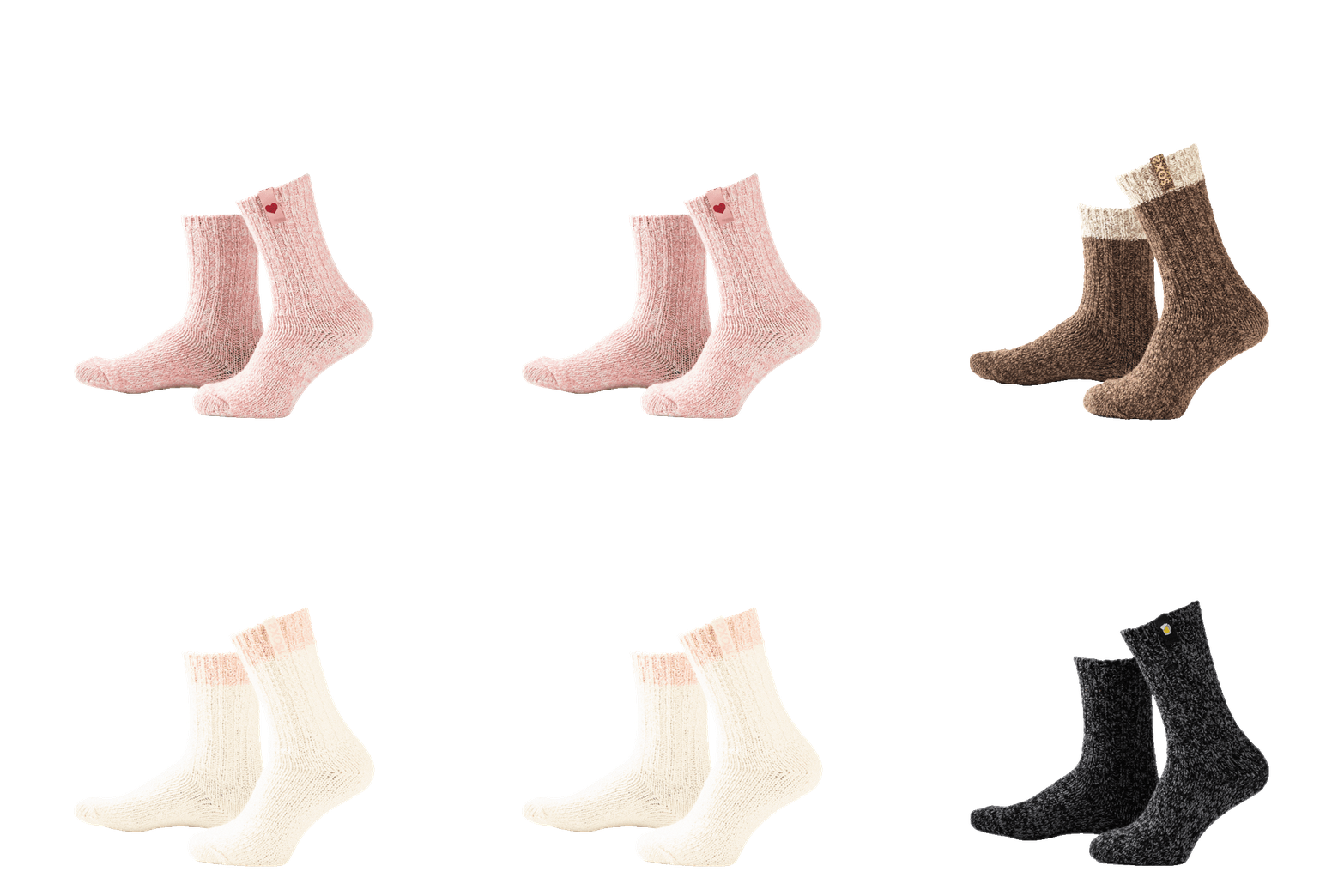
Soft warm premium wool socks
Gift ready, stylishly packaged
Orders placed before 1:00 PM will be shipped today (on weekdays) PLEASE NOTE: The delivery time of Pimp My Soxs is 5 working days!

Finding the right sock size becomes crucial when you’re dealing with neuropathy, as a proper fit can mean the difference between comfort and discomfort throughout the day. Neuropathy affects nerve function in your feet, making them more sensitive to pressure, seams, and fabric texture. Unlike regular sock shopping, where you might grab your usual size, choosing the right neuropathy sock size requires careful consideration of swelling patterns, sensitivity levels, and specific foot measurements.
The right therapeutic sock size can provide the gentle support and protection your feet need while accommodating the unique challenges that neuropathy presents. Understanding these specific sizing requirements helps ensure your feet stay comfortable, protected, and properly supported throughout your daily activities.
Neuropathy is nerve damage that commonly affects the feet and hands, causing symptoms such as numbness, tingling, burning sensations, and reduced sensation. For people with neuropathy, proper sock fit is essential because damaged nerves make feet more vulnerable to pressure sores, blisters, and injuries that might go unnoticed due to reduced feeling.
Diabetic sock sizing matters significantly because poorly fitting socks can create pressure points that lead to serious complications. When nerves don’t function properly, your feet lose their natural ability to detect problems early. Socks that are too tight can restrict circulation and create dangerous pressure areas, while socks that are too loose can bunch up and cause friction. Reduced sensation means you might not feel these problems developing until they become serious health issues.
Neuropathy footwear, including properly sized socks, serves as a protective barrier for vulnerable feet. The right fit helps maintain healthy circulation, prevents fabric from bunching against sensitive skin, and reduces the risk of developing ulcers or infections that can be particularly dangerous for people with compromised nerve function.
Neuropathy sock sizing focuses on accommodation rather than compression, prioritizing a gentle fit over snug support. Unlike regular socks that might use standard sizing charts, therapeutic sock sizing accounts for daily swelling fluctuations, reduced sensation, and the need for seamless construction that won’t create pressure points.
Regular socks often rely on elastic bands and tight fits to stay in place, but diabetic sock fitting emphasizes non-binding tops and graduated compression that doesn’t restrict blood flow. Sizing also takes into account that people with neuropathy may experience varying degrees of foot swelling throughout the day, requiring socks that can accommodate these changes without becoming too tight or too loose.
Compression sock sizing for neuropathy differs from athletic compression wear by using lighter pressure gradients. While sports compression socks might use 15 to 20 mmHg of pressure, neuropathy socks typically use 8 to 15 mmHg or less, focusing on gentle circulation support rather than performance enhancement. The sizing charts for these specialized socks often include additional measurements, such as ankle circumference and calf width, to ensure a proper graduated fit.
Accurate neuropathy foot care requires four key measurements: foot length, foot width, ankle circumference, and calf circumference at the widest point. These measurements should be taken at the end of the day, when your feet are at their largest due to natural swelling patterns.
Start by measuring your foot length from the heel to the longest toe while standing on a piece of paper. Foot width should be measured at the widest part of your foot, typically across the ball of the foot. For ankle circumference, measure around the narrowest part of your ankle, just above the ankle bone. Calf circumference should be measured at the fullest part of your calf muscle.
Take these measurements while wearing the type of clothing you typically wear with your socks. If you experience significant daily swelling, consider taking measurements both in the morning and in the evening to understand your size range. Some people with neuropathy find it helpful to have a healthcare provider or family member assist with measurements to ensure accuracy, especially if reduced sensation makes it difficult to feel the measuring tape properly.
Essential features for neuropathy socks include seamless toe construction, non-binding tops, moisture-wicking materials, and cushioned soles without bulk. These features work together to protect sensitive feet while maintaining comfort throughout the day.
Look for socks with flat or hand-linked toe seams that eliminate pressure points across the toes. Non-binding tops should use gentle elastic, or no elastic at all, preventing constriction that could impede circulation. The fabric should be breathable and moisture-wicking to keep feet dry, as moisture can lead to skin breakdown and infection in people with reduced sensation.
Cushioning should be strategically placed at the heel and forefoot without adding excessive bulk that might make shoes feel tight. Some therapeutic socks include antimicrobial treatments to reduce bacteria and odor, which is particularly important for people who may not notice foot hygiene issues as quickly. Avoid socks with thick seams, decorative elements, or rough interior textures that could cause irritation.
Properly fitting neuropathy socks should feel comfortably snug without any areas of tightness, bunching, or slipping. You should be able to slide one finger under the sock top without difficulty, and there should be no visible indentations on your skin when you remove the socks.
Check for red marks, indentations, or areas where the sock has left impressions on your skin after wearing them for a few hours. These signs indicate the socks are too tight and could be restricting circulation or creating pressure points. The socks should stay in place throughout the day without sliding down or bunching up around your toes or heel.
Pay attention to any new areas of discomfort, even if you can’t feel them distinctly due to neuropathy. Have a family member or caregiver help you inspect your feet daily for any signs of pressure, redness, or irritation that might indicate sizing issues. If you notice any persistent marks or areas of concern, consider sizing up or consulting a healthcare provider about your sock fit.
In general, you should size up rather than down when choosing neuropathy socks, as accommodation and comfort take priority over a snug fit. Socks that are slightly loose are safer than socks that create any restriction or pressure on sensitive feet.
If you’re between sizes, choose the larger size to allow for daily swelling and ensure adequate circulation. However, avoid going too large, as excessively loose socks can bunch up and create friction. The goal is to find a size that provides gentle contact with your skin without any tight spots or loose areas that could shift and cause problems.
Keep in mind that your sock size needs may change over time as neuropathy progresses or as foot swelling patterns change. Regularly reassessing your sock fit is important, and you may need different sizes for different times of day or different activities. When in doubt, consult a healthcare provider or a certified pedorthist who can help you determine the best sizing approach for your specific situation.
At SOXS, we understand that people with neuropathy need exceptional sock comfort and gentle care for sensitive feet. Our premium wool socks, made from ethically sourced New Zealand sheep’s wool, provide the natural breathability and moisture-wicking properties essential for neuropathy foot care.
Our socks offer several benefits for sensitive feet:
Experience the difference premium, sustainably made wool socks can make in your daily comfort. Browse our collection of men’s, women’s, and children’s socks, designed with the care and attention to quality your feet deserve.