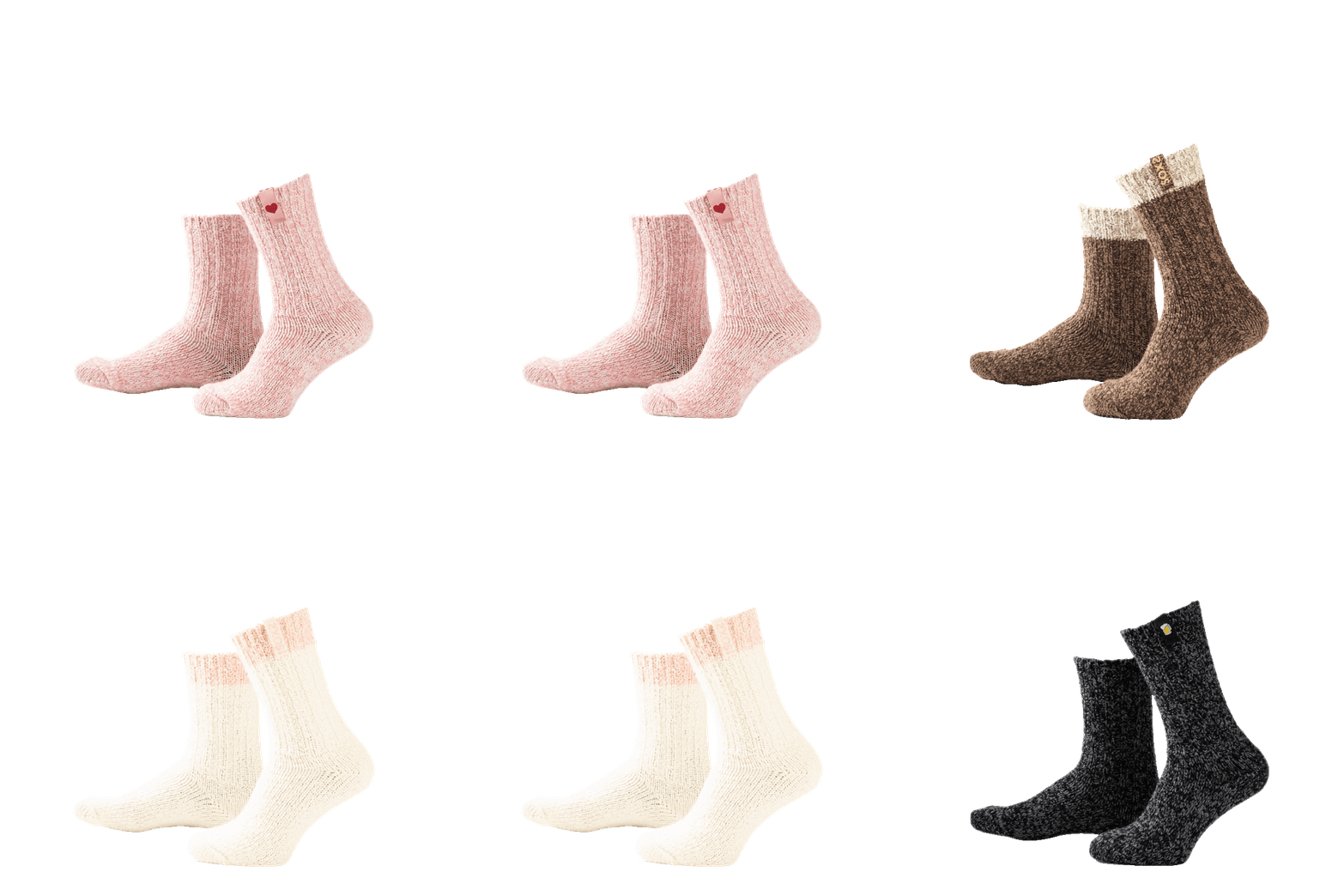
Soft warm premium wool socks
Gift ready, stylishly packaged
Orders placed before 1:00 PM will be shipped today (on weekdays) PLEASE NOTE: The delivery time of Pimp My Soxs is 5 working days!

When you’re dealing with neuropathy, finding the right socks can make a significant difference in your daily comfort and foot health. High-quality neuropathy socks are specially designed to address the unique challenges that come with nerve damage in the feet, including reduced sensation, poor circulation, and increased sensitivity to pressure and temperature changes.
Understanding what makes neuropathy socks effective requires knowing which features to look for and how these specialized garments differ from regular socks. The right pair combines therapeutic benefits with everyday comfort, helping you maintain an active lifestyle while protecting your feet from potential complications.
Neuropathy socks are specialized therapeutic socks designed to provide extra protection, comfort, and support for people with nerve damage in their feet. These socks feature seamless construction, moisture-wicking materials, and gentle compression to reduce irritation while promoting better circulation and foot health.
Unlike regular socks, neuropathy socks address the specific challenges that come with reduced nerve function. When nerves in your feet are damaged, you may experience numbness, tingling, burning sensations, or hypersensitivity to touch. Standard socks with thick seams, rough textures, or poor moisture management can create pressure points, blisters, or infections that you might not notice until they become serious problems.
The importance of proper neuropathy footwear cannot be overstated. People with diabetic neuropathy, in particular, face increased risks of foot ulcers and infections due to reduced sensation and slower healing. Quality neuropathy socks act as a protective barrier, reducing friction and maintaining a healthy environment for your feet throughout the day.
The best neuropathy socks are made from moisture-wicking, breathable materials such as merino wool, bamboo fiber, or synthetic blends that keep feet dry while providing natural antimicrobial properties. Wool socks, particularly those made from fine merino wool, excel at temperature regulation and moisture management.
Natural fibers offer several advantages for neuropathy relief. Merino wool naturally wicks moisture away from the skin while maintaining warmth even when damp. This temperature regulation is crucial for people with neuropathy, as their feet may have difficulty detecting temperature changes that could lead to burns or frostbite.
Synthetic materials such as Coolmax or similar moisture-wicking polyester blends also work well, especially for people with wool allergies. These materials dry quickly and resist odor buildup. Bamboo fiber has gained popularity for its natural antibacterial properties and exceptionally soft texture, which reduces irritation on sensitive skin.
Cotton should generally be avoided for neuropathy socks because it retains moisture, creating an environment where bacteria and fungi can thrive. This moisture retention also increases the risk of blisters and skin breakdown.
Neuropathy socks should fit snugly without being tight, with no bunching, wrinkles, or excess material that could create pressure points. The toe area should provide adequate room for natural toe movement, while the heel and arch areas should offer gentle support without constriction.
Proper fit begins with accurate foot measurements, as feet can change size throughout the day due to swelling. Measure your feet in the afternoon, when they’re likely to be at their largest. The sock should conform to your foot shape without creating any areas of compression that could restrict blood flow.
Pay special attention to the toe box area. Compression socks, or socks that are too small, can reduce circulation and create dangerous pressure points. Your toes should be able to move freely within the sock, and there should be no tight bands around your ankle or calf that could impede circulation.
Length is also important. Neuropathy socks should extend high enough to prevent rubbing against shoe edges but not so high that they create uncomfortable pressure bands. Crew and mid-calf lengths typically work best for most people.
High-quality neuropathy socks feature seamless toe construction, cushioned soles, moisture-wicking materials, and non-binding tops. Additional features include reinforced heels and toes for durability, antimicrobial treatments, and graduated compression when appropriate for circulation support.
Seamless construction is perhaps the most critical feature. Traditional socks have seams across the toe area that can create pressure points and friction. Quality diabetic socks use linking and seamless knitting techniques to eliminate these potential problem areas entirely.
Cushioning should be strategic rather than excessive. Look for targeted padding in high-pressure areas such as the heel and forefoot, but avoid overly thick socks that might make shoes too tight. The cushioning should compress and rebound to provide ongoing protection throughout the day.
Non-binding tops prevent the sock from creating tight bands around your ankle or calf. These tops should stay up without elastic pressure that could restrict circulation. Some therapeutic socks feature graduated compression that’s tightest at the ankle and gradually decreases up the leg, but this should only be used under medical supervision.
Effective neuropathy socks keep your feet dry, comfortable, and free from irritation throughout the day. You should notice reduced friction, no pressure points, and stable foot temperature. Additionally, your feet should remain odor-free and show no signs of redness, blisters, or skin breakdown after extended wear.
Monitor your feet daily when wearing new neuropathy socks. Check for any areas of redness, which could indicate pressure points or poor fit. Your skin should appear healthy and normally colored, without any signs of irritation or breakdown. If you notice persistent red marks or sore spots, the socks may not be the right fit or quality for your needs.
Moisture management is another key indicator. Your feet should feel dry and comfortable even after long periods of wear. If your feet feel clammy or if you notice moisture buildup, the sock material may not be adequate for your activity level or foot condition.
Temperature regulation should feel natural and consistent. Quality neuropathy socks help maintain optimal foot temperature without overheating or allowing feet to become too cold. If you experience temperature extremes while wearing the socks, they may not be providing adequate insulation or breathability.
At SOXS, we understand the importance of comfort and quality when it comes to foot health. Our ethically sourced wool socks provide the natural benefits that make them ideal for sensitive feet:
Our commitment to sustainability means you’re choosing socks that are not only good for your feet but also good for the environment. The natural breathability and comfort of our wool socks make them an excellent choice for anyone seeking gentle, protective footwear that supports daily comfort and well-being.
Experience the difference that quality materials and thoughtful design can make in your daily comfort. Explore our collection of premium wool socks and discover how the right foundation can transform your approach to foot care and overall well-being.