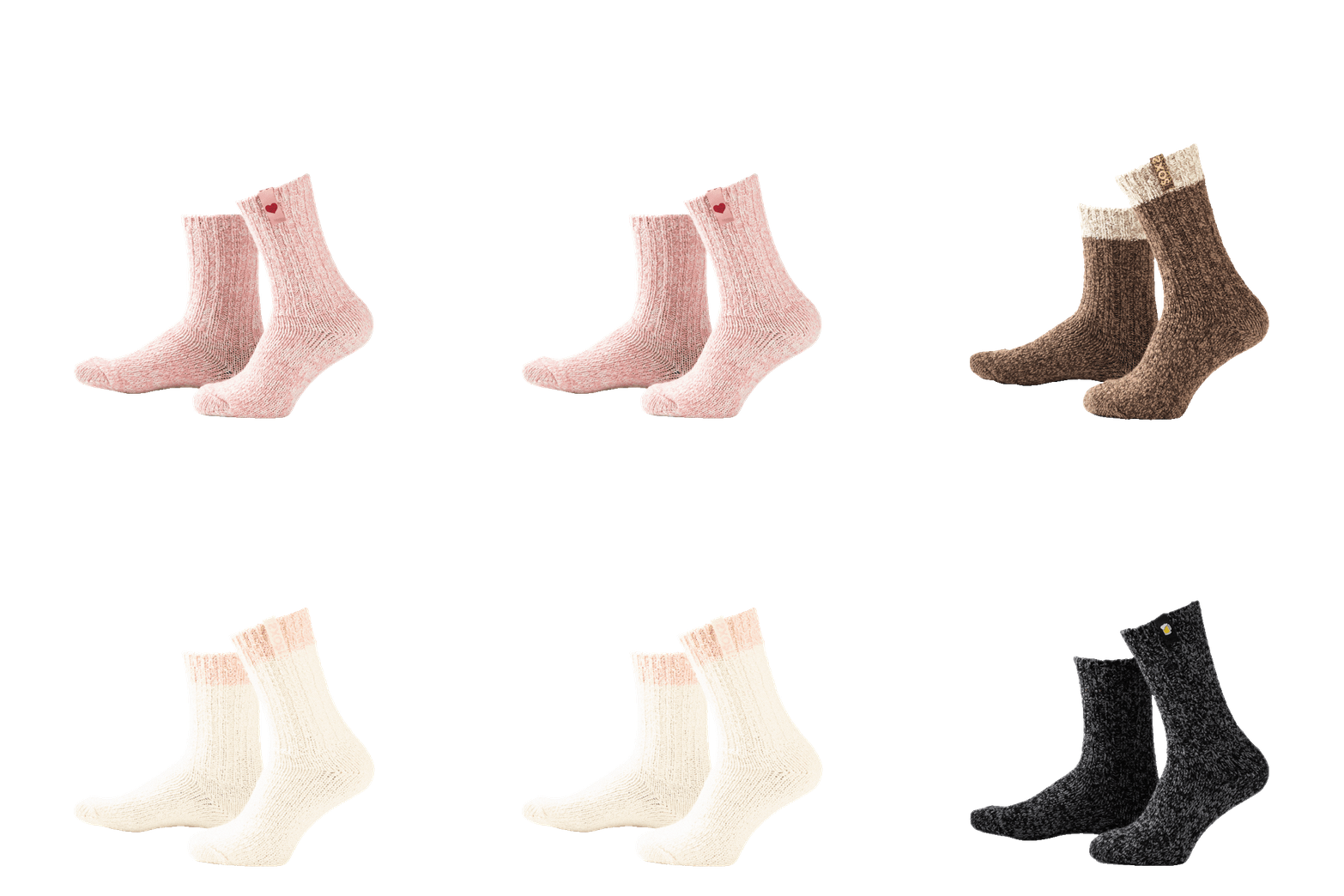
Soft warm premium wool socks
Gift ready, stylishly packaged
Orders placed before 1:00 PM will be shipped today (on weekdays) PLEASE NOTE: The delivery time of Pimp My Soxs is 5 working days!

Cold feet can be more than just a minor annoyance, especially when they’re caused by medication side effects. Many people taking certain medications experience persistent coldness in their feet, leaving them searching for effective solutions to restore warmth and comfort. While addressing the underlying cause with your healthcare provider is essential, finding the right footwear can make a significant difference in your daily comfort.
Natural wool socks have emerged as a popular choice for managing medication-induced cold feet, offering unique properties that synthetic materials simply can’t match. Understanding how different medications affect circulation and how wool responds to these challenges can help you make informed decisions about managing this uncomfortable side effect.
Several categories of medications can cause cold feet by affecting blood circulation, nerve function, or your body’s temperature regulation. Beta blockers, commonly prescribed for high blood pressure and heart conditions, are among the most frequent culprits, as they reduce heart rate and can limit blood flow to the extremities.
Antidepressants, particularly selective serotonin reuptake inhibitors (SSRIs), may also contribute to cold feet through their effects on blood vessel constriction. Chemotherapy drugs often cause peripheral neuropathy, which can manifest as cold sensations in the feet and hands. Blood thinners such as warfarin can affect circulation patterns, while some migraine medications containing ergotamine can constrict blood vessels throughout the body.
Decongestants and certain allergy medications containing pseudoephedrine or phenylephrine can also reduce blood flow to the extremities. Additionally, some diabetes medications and thyroid treatments may contribute to temperature-regulation issues that result in persistently cold feet.
Wool socks enhance warmth through natural insulating properties that trap air close to the skin while allowing moisture to escape, creating an optimal microclimate around your feet. Unlike synthetic materials, wool maintains its insulating properties even when slightly damp, ensuring consistent warmth throughout the day.
The natural crimp in wool fibers creates thousands of tiny air pockets that act as insulation barriers. This structure allows wool to regulate temperature naturally, warming your feet when they’re cold and preventing overheating when they’re warm. Wool’s ability to wick moisture away from the skin also prevents the cooling effect that occurs when moisture evaporates directly from your feet.
While wool socks don’t directly improve blood circulation, they provide consistent external warmth that can help counteract the cooling effects of reduced blood flow. This external heat source can make medication-induced cold feet more comfortable and may help maintain better overall foot health by preventing the muscle tension that often accompanies chronic coldness.
The primary difference lies in wool’s superior insulation and moisture-management capabilities compared with cotton or synthetic materials. Cotton socks absorb moisture and lose their insulating properties when wet, often leaving feet feeling cold and clammy, while synthetic materials typically provide less effective temperature regulation.
Wool socks maintain warmth even in damp conditions because wool fibers can absorb up to 30% of their weight in moisture while still feeling dry to the touch. This means your feet stay warm even if you experience slight sweating or if the socks become damp from external sources. Regular cotton or synthetic socks often become cold and uncomfortable when exposed to moisture.
The natural elasticity of wool also provides a better fit and greater comfort over extended wear. Wool fibers naturally resist odor-causing bacteria, meaning wool socks stay fresher longer than regular socks. For people dealing with medication-induced cold feet, these properties combine to provide more consistent, long-lasting warmth and comfort throughout the day.
Wool socks do not directly improve blood circulation or increase blood flow to your feet. However, they can create conditions that support comfort and may help reduce some circulation-related discomfort through consistent external warmth and a proper fit.
When your feet are consistently warm, the muscles in your feet and lower legs may remain more relaxed, which can help prevent the tension and constriction that sometimes accompany chronic coldness. Well-fitting wool socks that aren’t too tight can also help avoid restricting circulation, unlike poorly fitting synthetic socks that might create pressure points.
The key benefit of wool socks for medication-induced cold feet is their ability to provide reliable external warmth that compensates for reduced internal heat generation due to compromised circulation. While this doesn’t address the underlying circulation issue, it can significantly improve comfort and help maintain normal foot function despite the medication’s side effects.
Medium to thick-weight wool socks made from high-quality sheep’s wool typically provide the best combination of warmth, comfort, and durability for medication-induced cold feet. Look for socks with a wool content of at least 70% to ensure optimal insulating properties while allowing for the necessary stretch and durability fibers.
Cushioned wool socks offer additional benefits by providing extra insulation underfoot and improved comfort during extended wear. Avoid socks that are too thick for your shoes, as tight-fitting footwear can restrict circulation and worsen cold-feet symptoms. The sock should fit snugly without being tight, with no bunching or sliding that could create pressure points.
Crew or mid-calf-height socks often work better than ankle socks for cold-feet issues, as they provide warmth further up the leg, where circulation problems may also manifest. Choose socks with reinforced heels and toes for durability, especially if you’ll be wearing them daily to manage ongoing medication side effects.
At SOXS, we understand that managing medication side effects requires reliable, comfortable solutions you can count on every day. Our premium wool socks are crafted from ethically sourced New Zealand sheep’s wool and are designed specifically to provide consistent warmth and comfort for people dealing with circulation challenges.
Our wool socks offer several key benefits for medication-related cold feet:
Whether you need warm socks for working from home, outdoor activities, or daily wear while managing medication side effects, SOXS provides the reliable comfort and warmth you deserve. Experience the difference that premium, sustainably sourced wool can make in managing your cold feet. Browse our collection today and discover the perfect wool socks to keep your feet warm and comfortable, no matter what challenges your medication may bring.