

Soft warm premium wool socks
Gift ready, stylishly packaged
Orders placed before 1:00 PM will be shipped today (on weekdays) PLEASE NOTE: The delivery time of Pimp My Soxs is 5 working days!


Living with diabetes often brings unexpected challenges, and one common concern many people experience is persistently cold feet. This seemingly simple symptom can actually be a sign of several diabetes-related complications that affect blood flow and nerve function. Understanding why your feet feel cold and knowing when to take action can help you maintain better foot health and overall well-being.
Cold feet in people with diabetes aren’t just about feeling chilly. They can indicate underlying issues with circulation, nerve damage, or both. The good news is that with proper knowledge and care, you can take steps to keep your feet comfortable while managing these diabetes-related concerns effectively.
Cold feet in people with diabetes typically result from two main complications: diabetic neuropathy and poor circulation caused by blood vessel damage. High blood sugar levels over time can damage both nerves and blood vessels, leading to reduced sensation and decreased blood flow to the feet.
Diabetic neuropathy affects the nerves that control temperature sensation, making it difficult for your body to properly regulate foot temperature. When these nerves become damaged, your feet may feel cold even when they’re actually at a normal temperature. Additionally, the autonomic nerves that control blood vessel dilation can be affected, further contributing to problems with temperature regulation.
Poor circulation develops when diabetes damages the small blood vessels that supply your feet. This condition, called peripheral arterial disease, reduces the amount of warm blood reaching your extremities. The combination of nerve damage and reduced blood flow creates the perfect conditions for chronically cold feet that can be both uncomfortable and concerning.
Diabetic neuropathy disrupts your body’s ability to sense and regulate foot temperature by damaging the sensory nerves responsible for detecting temperature changes and the autonomic nerves that control blood vessel function in your feet.
When sensory nerves become damaged, you may lose the ability to accurately perceive temperature in your feet. This means your feet might feel cold to the touch, but you may not be able to feel the coldness yourself. Conversely, your feet might feel cold to you when they’re actually at a normal temperature. This confusion in temperature sensation can make it challenging to know when your feet need warming or cooling.
The autonomic nervous system also plays a crucial role in temperature regulation. These nerves control the dilation and constriction of blood vessels in your feet. When diabetes damages these nerves, your blood vessels may not respond properly to temperature changes, leading to poor blood flow and consistently cold feet. This autonomic dysfunction can also affect sweating mechanisms, further complicating your body’s natural temperature-control systems.
While both diabetic neuropathy and poor circulation can cause cold feet, they have distinct characteristics. Neuropathy-related cold feet often involve altered sensation and may feel cold to you but not necessarily to others, while circulation-related cold feet typically feel cold to the touch and may appear pale or bluish.
Poor circulation in diabetes, medically known as peripheral arterial disease, occurs when blood vessels become narrowed or blocked due to atherosclerosis. This condition reduces blood flow to your feet, making them genuinely cold to the touch. You might notice that your feet feel cold, look pale, and take longer to warm up when exposed to heat. Coldness from poor circulation is often accompanied by other symptoms, such as slow-healing wounds, hair loss on the feet, or cramping in the legs during activity.
Diabetic neuropathy, on the other hand, affects your nerve function rather than blood flow directly. With neuropathy, your feet might feel cold due to damaged temperature sensors, but they may actually be at a normal temperature. You might also experience tingling, burning, or numbness alongside the cold sensation. The key difference is that neuropathy affects how you perceive temperature, while poor circulation actually reduces the supply of warm blood to your feet.
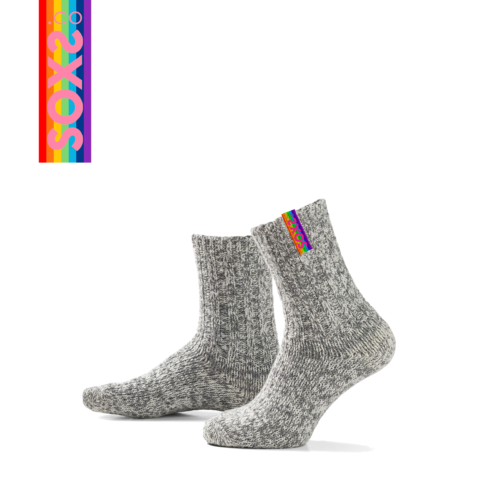
People with diabetes should warm their feet gradually using safe methods like wearing quality wool socks, using lukewarm water for soaking, and ensuring proper indoor temperatures. Avoid direct heat sources like heating pads, hot water bottles, or sitting too close to fires, as reduced sensation can lead to burns.
The safest approach to warming diabetic feet starts with proper insulation. Choose breathable, moisture-wicking socks made from natural materials that provide warmth without causing excessive sweating. Keep your feet dry and change socks daily to help prevent bacterial and fungal infections. When washing your feet, use lukewarm water and test the temperature with your elbow or a thermometer to ensure it’s not too hot.
Gentle movement and massage can also improve circulation naturally. Simple exercises like ankle circles, toe flexing, and calf raises help promote blood flow to your feet. Avoid tight footwear or socks with restrictive bands that could further limit circulation. If you need additional warmth, consider wearing loose-fitting slippers indoors or using blankets rather than direct heat sources. Always inspect your feet daily for any signs of injury, as reduced sensation might prevent you from noticing cuts, blisters, or other problems.
People with diabetes should consult their healthcare provider about cold feet if the symptoms persist despite warming measures, worsen over time, or are accompanied by pain, numbness, color changes, or slow-healing wounds. Any sudden changes in foot sensation or appearance warrant immediate medical attention.
Persistent cold feet that don’t improve with warming techniques may indicate worsening neuropathy or circulation problems that require medical intervention. If your feet remain cold even in warm environments, or if you notice that one foot is consistently colder than the other, these could be signs of serious circulation issues. Color changes such as pale, blue, or red discoloration, especially when accompanied by pain or cramping, should prompt immediate medical evaluation.
Other warning signs include new or worsening numbness, tingling that interferes with daily activities, or any wounds on your feet that heal slowly or become infected. If you experience a sudden onset of severe coldness in one or both feet, this could indicate a serious circulation emergency requiring immediate care. Regular check-ups with your healthcare team should include foot examinations, and you should never hesitate to report changes in foot sensation, temperature, or appearance between visits.
We understand that managing diabetes requires attention to every detail of foot care, which is why SOXS wool socks are designed with the specific needs of people with diabetes in mind. Our ethically sourced New Zealand wool provides natural temperature regulation and moisture-wicking properties that help maintain optimal foot comfort throughout the day.
SOXS offers several key benefits for diabetic foot care:
Our commitment to sustainable, high-quality wool ensures that each pair of SOXS provides long-lasting comfort and support for your daily foot care routine. Whether you’re managing circulation concerns or neuropathy symptoms, the right socks can make a meaningful difference in your comfort and confidence. Explore our collection today and discover how premium wool socks can become an essential part of your diabetes management strategy.

Calf height

Calf height
Calf height