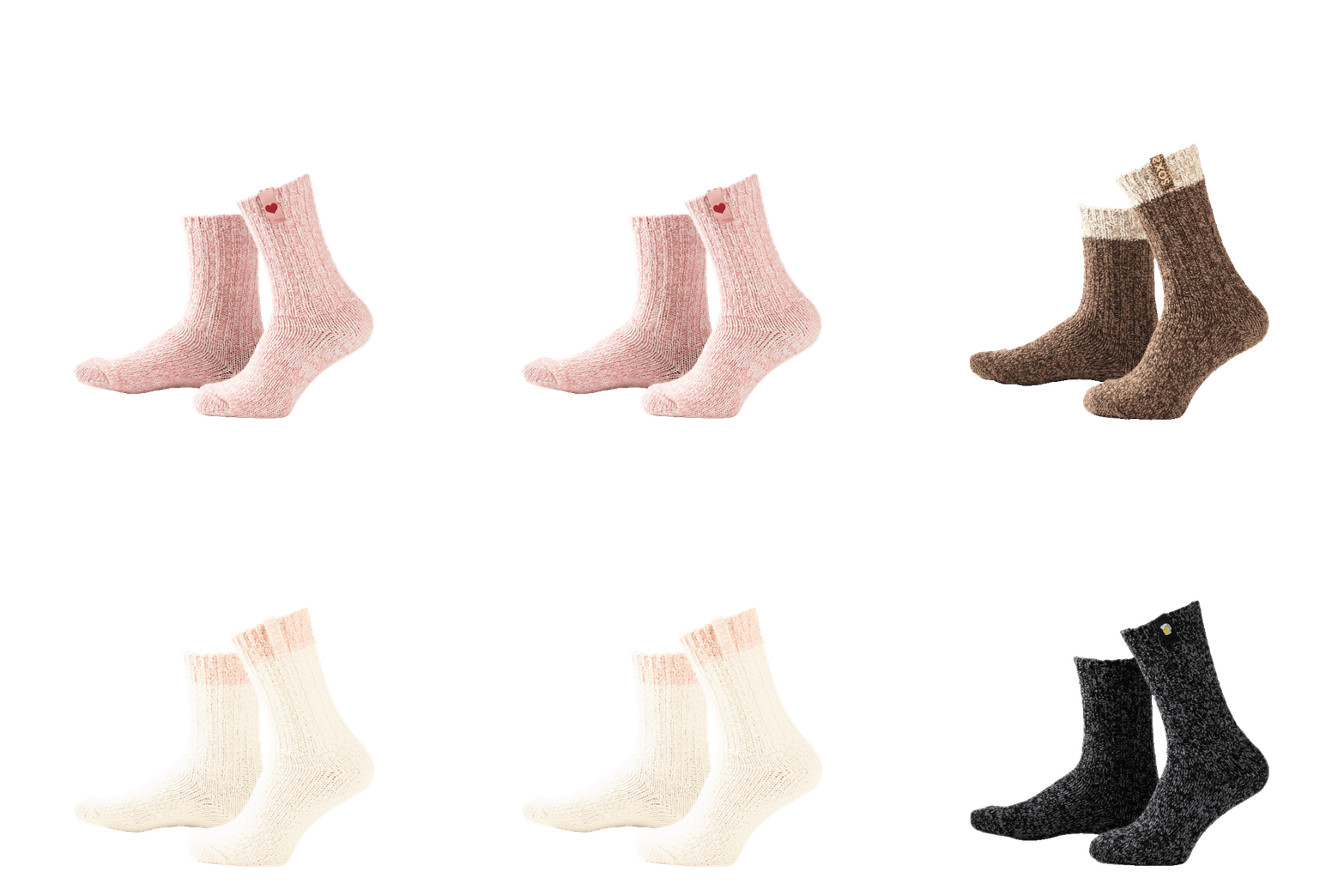
Soft warm premium wool socks
Gift ready, stylishly packaged
Orders placed before 1:00 PM will be shipped today (on weekdays) PLEASE NOTE: The delivery time of Pimp My Soxs is 5 working days!

When you’re dealing with cold feet and circulation issues, choosing the right socks can make a significant difference in your comfort and well-being. The debate between the circulation benefits of wool socks and the potential circulation drawbacks and solutions associated with heated socks has become increasingly relevant as more people seek effective ways to keep their feet warm and comfortable.
Understanding the differences between these two approaches to foot warmth and circulation can help you make an informed decision that best suits your specific needs and lifestyle preferences.
Circulation problems occur when blood flow to your extremities becomes restricted or reduced, causing your feet to feel persistently cold, numb, or uncomfortable. This condition affects millions of people and can result from various factors, including diabetes, peripheral artery disease, or simply sitting for extended periods.
Poor circulation can manifest in several ways that affect your daily comfort. Your feet may feel cold even in warm environments, you may experience tingling sensations, or your feet may appear pale or bluish. Some people notice that their feet take longer to warm up after being exposed to cold temperatures, while others experience cramping or aching.
The impact extends beyond physical discomfort. Circulation issues in your feet can affect your sleep quality, limit your outdoor activities, and reduce your overall quality of life. Understanding these symptoms helps you recognize when you need targeted solutions for foot warmth and comfort.
Wool socks can help with circulation by providing natural insulation that traps warm air close to your skin while allowing moisture to escape, creating an optimal environment for healthy blood flow. The natural fibers work with your body’s temperature-regulation system rather than against it.
The unique properties of wool make it particularly effective for circulation support. Wool fibers create tiny air pockets that insulate your feet while remaining breathable, preventing the moisture buildup that can actually make your feet feel colder. This natural temperature regulation helps maintain consistent warmth without overheating.
Merino wool’s circulation benefits are especially notable because this fine wool variety offers superior softness and moisture-wicking properties. The natural elasticity of wool fibers provides gentle compression that supports blood flow without restricting circulation, unlike some synthetic materials that can create pressure points or trap moisture.
Heated socks are battery-powered garments that use electric heating elements to generate warmth directly against your feet. These electric socks typically feature rechargeable batteries and adjustable temperature settings to provide controlled heat output.
The technology behind heated socks involves thin heating wires or carbon-fiber elements woven into the sock fabric, usually concentrated around the toe area, where circulation problems are most noticeable. Users can control the temperature through buttons or smartphone apps, with most models offering multiple heat levels.
While heated socks provide immediate warmth, they require regular charging and maintenance. The heating elements add bulk to the sock, and the electronic components can make them less comfortable for extended wear. Additionally, the artificial heat source doesn’t address the underlying circulation issue but instead masks the symptoms.
The key difference lies in how each approach provides warmth: wool socks work with your body’s natural circulation to help maintain warmth, while heated socks provide external heat regardless of your circulation status. Wool offers a sustainable, comfortable solution that supports long-term foot health.
A wool vs. heated socks comparison reveals several important distinctions. Wool socks provide consistent, natural warmth without requiring batteries or charging, making them reliable for all-day wear. They’re also more comfortable for sleeping, exercising, or extended wear because they breathe naturally and don’t create hot spots.
Heated socks excel in extreme cold conditions or for people with severe circulation problems who need immediate, intense warmth. However, they’re less practical for daily use due to battery limitations, added bulk, and the need for regular maintenance. The artificial heat can also cause overheating or uneven temperature distribution.
For severe circulation problems, solutions should prioritize consistent, gentle warmth that supports natural blood flow. High-quality wool socks often prove more beneficial than heated options because they provide sustained comfort without the risk of overheating or creating dependence on artificial heat sources.
People with severe circulation issues need socks that work continuously without interruption. Wool socks meet this need by providing reliable insulation that doesn’t depend on battery life or electronic components. The natural properties of wool also reduce the risk of skin irritation or pressure points that could further compromise circulation.
While heated socks might seem like the obvious choice for severe cases, they can actually create problems. Intense heat can cause sweating, which leads to moisture buildup and eventual cooling. Additionally, relying on artificial heat doesn’t encourage the natural circulation improvements that gentle, consistent warmth can support.
Choose socks based on your daily activities, the severity of your circulation issues, and your comfort preferences. For most people with circulation problems, high-quality wool socks provide the best combination of warmth, comfort, and practicality for everyday wear and long-term foot health.
Consider your lifestyle when making this decision. If you spend long hours at a desk, travel frequently, or need all-day comfort, wool socks offer the reliability and breathability you need. They’re also ideal if you prefer natural materials and want a solution that works without ongoing maintenance or charging.
Evaluate the severity of your condition as well. Mild to moderate circulation issues typically respond well to quality wool socks, while severe cases may benefit from consulting a healthcare provider about comprehensive treatment approaches that may include specialized socks as part of a broader strategy.
At SOXS, we understand that finding the right socks for circulation comfort requires more than just warmth. Our ethically sourced New Zealand wool socks provide the natural insulation and breathability your feet need for optimal comfort throughout the day.
Our wool socks offer several key benefits for circulation comfort:
Whether you’re working from home, practicing yoga, or enjoying outdoor activities, SOXS wool socks provide the consistent warmth and comfort you need. Experience the difference that quality, sustainable wool can make in your daily comfort, and discover why natural solutions often work best for circulation support.