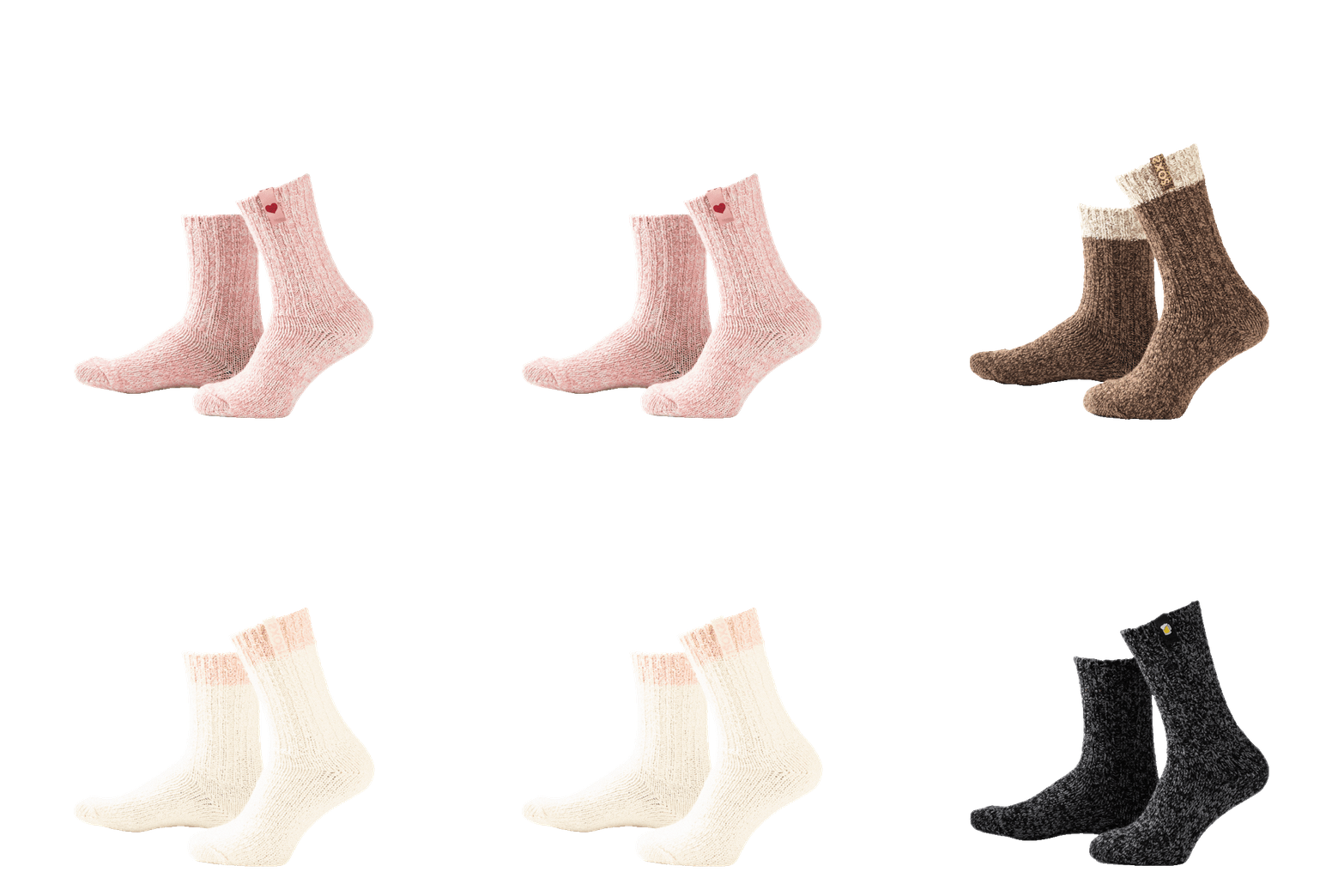
Soft warm premium wool socks
Gift ready, stylishly packaged
Orders placed before 1:00 PM will be shipped today (on weekdays) PLEASE NOTE: The delivery time of Pimp My Soxs is 5 working days!

Managing diabetes requires careful attention to foot health, and choosing the right socks plays a crucial role in preventing complications. Many people wonder whether wool socks are safe and beneficial for diabetic feet, especially given wool’s reputation for warmth and comfort. The answer depends on several factors, including the type of wool, sock construction, and individual foot care needs.
Understanding the relationship between diabetes and footwear choices helps you make informed decisions about protecting your feet while maintaining comfort throughout the day.
Yes, people with diabetes can safely wear wool socks when they choose high-quality options with proper fit and construction. Merino wool socks are particularly beneficial for diabetic feet because they naturally regulate moisture, provide cushioning, and offer temperature control without creating pressure points.
The key is selecting wool socks specifically designed with diabetic foot care in mind. These socks feature seamless construction, non-binding tops, and moisture-wicking properties that help prevent the bacterial and fungal infections that diabetic feet are prone to developing. Quality wool naturally resists odor and maintains its shape wash after wash, making it a practical choice for daily wear.
However, not all wool socks are created equal. Coarse or poorly constructed wool socks can cause irritation, while well-made merino wool socks provide the gentle comfort that diabetic feet require. The natural elasticity of quality wool allows for proper circulation without creating tight bands around the ankle or calf.
Wool socks benefit diabetic feet through superior moisture management, natural antimicrobial properties, and temperature regulation. High-quality merino wool wicks moisture away from the skin while maintaining warmth, creating an environment that discourages bacterial growth and reduces infection risk.
The positive aspects of wool for diabetic foot care include excellent breathability, which prevents the damp conditions where fungi thrive. Wool’s natural lanolin content provides mild antimicrobial benefits, while its ability to maintain warmth even when damp helps prevent the temperature fluctuations that can reduce circulation in diabetic feet.
On the negative side, poor-quality wool can be scratchy and irritating to sensitive diabetic skin. Wool socks with rough seams, tight elastic bands, or coarse fibers can create pressure points that lead to blisters or sores. Additionally, some people with diabetes may have wool allergies that make this material unsuitable regardless of quality.
Construction quality matters more than the material itself. Well-made wool socks with flat seams, cushioned soles, and graduated compression provide optimal support, while cheaply made options can cause more harm than good.
Diabetic socks feature specialized construction with seamless toes, non-binding tops, extra cushioning, and moisture-wicking materials, while regular wool socks prioritize general comfort and warmth without addressing specific diabetic foot care needs.
The most significant difference lies in seam construction. Diabetic socks use flat or seamless toe construction to eliminate pressure points that could cause blisters or ulcers on sensitive feet. Regular wool socks often have raised seams that can create friction against toes and the top of the foot.
Diabetic socks also feature non-binding tops that don’t restrict circulation, whereas regular socks may have tight elastic bands that can reduce blood flow to the feet and lower legs. This is particularly important for people with diabetes who may already have compromised circulation.
Cushioning placement differs as well. Diabetic socks provide strategic padding in high-pressure areas like the heel and ball of the foot, while regular wool socks offer more general cushioning. The moisture-wicking properties in diabetic socks are also more advanced, designed specifically to keep feet dry and reduce infection risk.
Diabetics should prioritize seamless construction, non-binding tops, moisture-wicking merino wool, proper fit, and cushioned soles when selecting wool socks. These features work together to protect sensitive feet while providing the comfort and warmth that wool naturally offers.
Look for socks made from fine merino wool rather than coarser wool types. Merino wool is softer against the skin and less likely to cause irritation. The sock should have seamless toe construction or flat seams that won’t create pressure points against sensitive areas of the foot.
The fit should be snug but not tight, with no bunching or sliding that could cause friction. Check that the sock top doesn’t leave marks on your leg after wearing, as this indicates restricted circulation. The heel and toe areas should have reinforcement for durability without adding bulk that changes the fit of your shoes.
Additional features to consider include antimicrobial treatment, graduated compression if recommended by your healthcare provider, and padding in high-pressure areas. The sock should maintain its shape and moisture-wicking properties after multiple washes, ensuring long-term foot health benefits.
Diabetics should avoid wool socks if they have wool allergies, open wounds or ulcers on their feet, severe neuropathy that prevents them from feeling irritation, or if their healthcare provider has recommended specific synthetic materials for their condition.
Wool allergies can cause skin reactions that are particularly dangerous for diabetic feet, where minor irritations can develop into serious complications. If you experience itching, redness, or a rash when wearing wool, switch to synthetic diabetic socks immediately and consult your healthcare provider.
During active wound healing, your doctor may recommend specific synthetic materials that offer better moisture control or antimicrobial properties than wool. Some medical-grade synthetic fabrics are designed specifically for wound care and may be more appropriate during recovery periods.
Severe neuropathy can prevent you from feeling when a sock is causing irritation or pressure. In these cases, your healthcare provider might recommend socks with additional monitoring features or specific synthetic materials that reduce the risk of unnoticed damage. Always follow your healthcare team’s specific recommendations for your individual situation.
We understand that finding the right socks for diabetic foot care requires attention to both comfort and quality. SOXS wool socks are crafted from ethically sourced New Zealand merino wool, offering the natural benefits that diabetic feet need while maintaining the luxury and comfort you deserve.
Our commitment to quality construction means each pair features:
Whether you’re managing diabetes or simply want the finest wool socks for daily comfort, SOXS provides the quality and care your feet deserve. Experience the difference that premium New Zealand wool makes in your daily comfort and foot health.