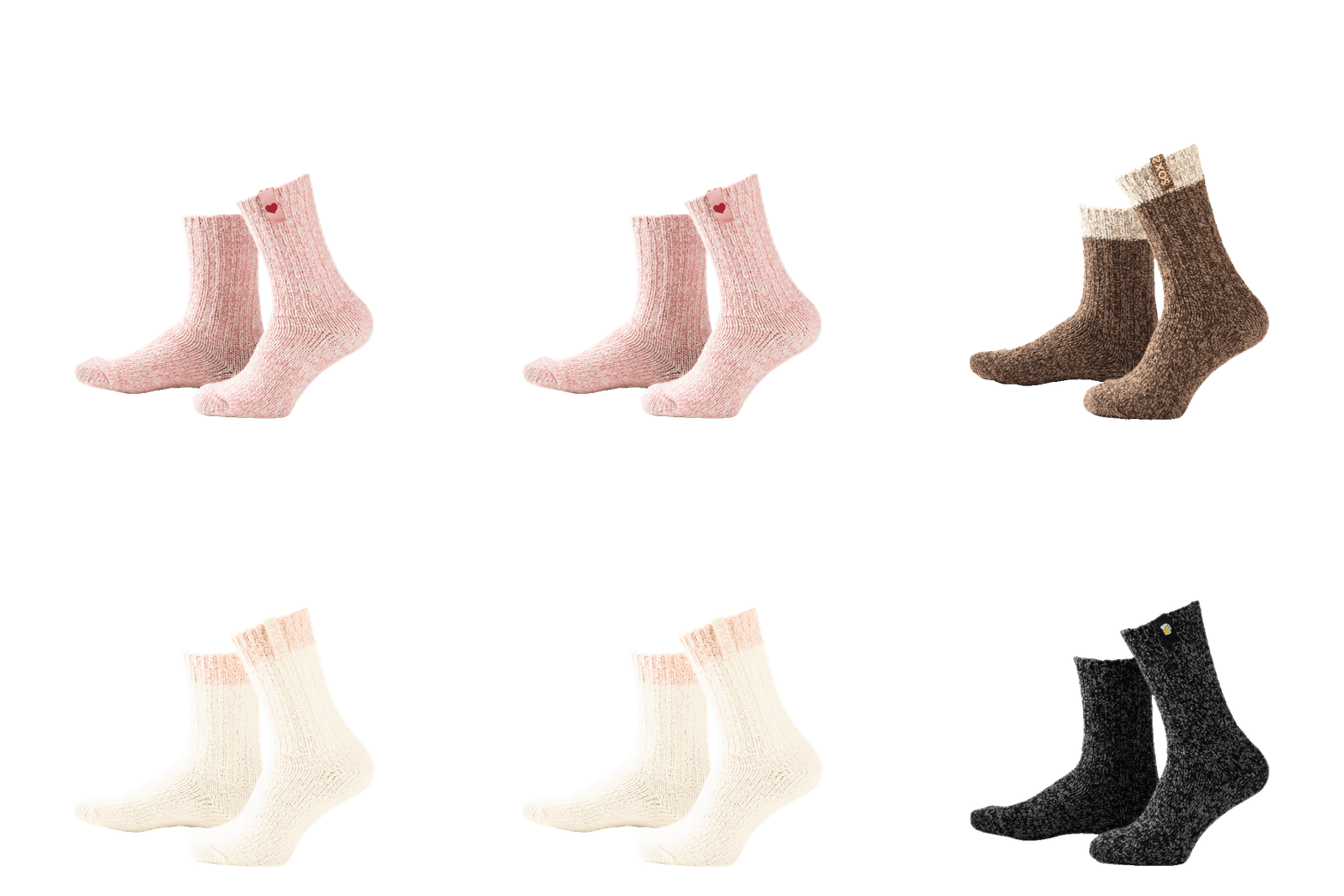
Soft warm premium wool socks
Gift ready, stylishly packaged
Orders placed before 1:00 PM will be shipped today (on weekdays) PLEASE NOTE: The delivery time of Pimp My Soxs is 5 working days!

Finding the perfect pair of socks to wear year-round can feel like an impossible task. Most people assume they need different socks for different seasons, but wool socks challenge that assumption entirely. These natural-fiber champions offer unique properties that make them surprisingly versatile, keeping your feet comfortable whether you’re dealing with winter’s chill or summer’s heat.
The secret lies in wool’s remarkable ability to regulate temperature and manage moisture, creating an ideal microclimate around your feet regardless of external conditions. Once you understand how wool works, you’ll see why it has become the go-to choice for people seeking comfort, sustainability, and year-round performance in their footwear.
Wool’s unique fiber structure provides natural temperature regulation and moisture management that adapt to changing conditions throughout the year. The crimped, spiral shape of wool fibers traps air pockets that provide insulation in cold weather while allowing airflow for cooling in warm conditions.
This adaptability stems from wool’s hygroscopic properties, meaning it can absorb moisture from the air when humidity is high and release it when conditions are dry. Wool fibers can absorb up to 30% of their weight in moisture without feeling wet or clammy, keeping your feet dry and comfortable regardless of activity level or weather conditions.
The natural lanolin coating on wool fibers also provides antimicrobial properties, preventing odor-causing bacteria from thriving. This means your wool socks stay fresher for longer, whether you’re wearing them on a sweaty summer hike or during a cozy winter evening at home. Unlike synthetic materials that can trap heat and moisture, wool actively works to maintain optimal foot temperature and dryness year-round.
Wool socks keep your feet cool in summer through natural wicking and breathability that pull sweat away from the skin and allow air to circulate. The loose weave of wool creates channels for airflow, while the fiber’s moisture-absorbing properties prevent that sticky, uncomfortable feeling common with cotton or synthetic socks.
During hot weather, wool fibers absorb perspiration and move it to the sock’s outer surface, where it can evaporate quickly. This process, called vapor transmission, keeps your feet dry and prevents the buildup of moisture that leads to blisters, fungal infections, and unpleasant odors. Natural temperature regulation means your feet won’t overheat, even when you’re wearing closed shoes all day.
Many people worry that wool will be too warm for summer, but quality wool socks can actually provide better cooling than cotton alternatives. Cotton retains moisture against your skin and loses its insulating properties when wet, while wool continues to regulate temperature effectively. The key is choosing thinner wool socks designed for warmer weather rather than thick winter varieties.
Merino wool socks offer superior softness, finer fibers, and enhanced temperature regulation compared with regular wool socks made from coarser sheep breeds. Merino fibers are significantly thinner, typically measuring 18–24 microns in diameter versus 25–40 microns for regular wool, creating a softer feel against the skin.
The finer fiber structure of merino wool provides several advantages for sock wearers. First, the increased surface area allows for better moisture management and faster drying times. Second, the softer texture eliminates the itchiness often associated with traditional wool, making merino comfortable for people with sensitive skin. Third, merino wool has natural elasticity that helps socks maintain their shape and fit over time.
Merino wool also excels in odor resistance because its natural antimicrobial properties are more concentrated in the finer fibers. This makes merino wool socks ideal for extended wear, travel, or athletic activities where you need reliable performance without frequent washing. Regular wool socks, while still offering good insulation and durability, may feel rougher and require more careful selection to ensure comfort.
Sustainable wool socks outperform synthetic alternatives in durability, biodegradability, and natural performance characteristics while offering comparable—or superior—comfort and functionality. Wool is a renewable resource that biodegrades naturally, unlike petroleum-based synthetic fibers that persist in landfills for decades.
From a performance standpoint, wool’s natural properties often exceed what synthetic materials can achieve artificially. While synthetic moisture-wicking fabrics rely on chemical treatments that can wash out over time, wool’s inherent structure provides permanent moisture management and temperature regulation. Wool also maintains its insulating properties even when damp, whereas many synthetic materials lose effectiveness when wet.
The environmental impact differs significantly between the two options. Ethically sourced wool from well-managed farms supports sustainable agriculture and animal welfare, while synthetic sock production requires energy-intensive manufacturing processes and creates microplastic pollution during washing. Quality wool socks also last longer than most synthetic alternatives, reducing the frequency of replacement and the overall environmental footprint.
However, synthetic socks do offer advantages in specific situations, such as faster drying times during intensive athletic activities and lower upfront costs. The choice often comes down to prioritizing long-term sustainability and natural performance versus immediate convenience and price.
Outdoor activities, travel, and everyday wear benefit most from year-round wool socks due to their adaptability to changing conditions and their lasting comfort during long periods of use. Hiking, camping, and other outdoor pursuits particularly showcase wool’s advantages in temperature regulation and moisture management.
For outdoor enthusiasts, wool socks provide reliable performance across varying elevations, weather conditions, and activity levels. Whether you’re hiking on cool mountain mornings that warm up by afternoon or camping where temperatures fluctuate dramatically between day and night, wool adapts to keep your feet comfortable. Natural odor resistance also makes wool ideal for multi-day adventures where washing opportunities are limited.
Travel is another area where wool socks excel, particularly on long flights, in changing climates, and during extended walking days. Temperature regulation helps support comfort during long periods of sitting, while moisture-wicking properties keep feet fresh during extensive sightseeing. Business travelers appreciate wool’s ability to maintain comfort from air-conditioned offices to outdoor meetings.
Daily activities like working from home, yoga, or casual wear also benefit from wool’s consistent comfort. Natural elasticity provides support without constriction, while temperature regulation adapts to indoor heating and cooling systems. People who spend long hours on their feet find that wool socks reduce fatigue and maintain comfort throughout extended wear.
Year-round wool socks are a smart investment in foot comfort and environmental responsibility. At SOXS, we craft our wool socks from ethically sourced New Zealand merino wool, creating products that deliver the natural performance benefits you need while supporting sustainable practices. Whether you’re exploring the outdoors, traveling the world, or simply enjoying comfort at home, the right wool socks provide the foundation for happy, healthy feet in every season.