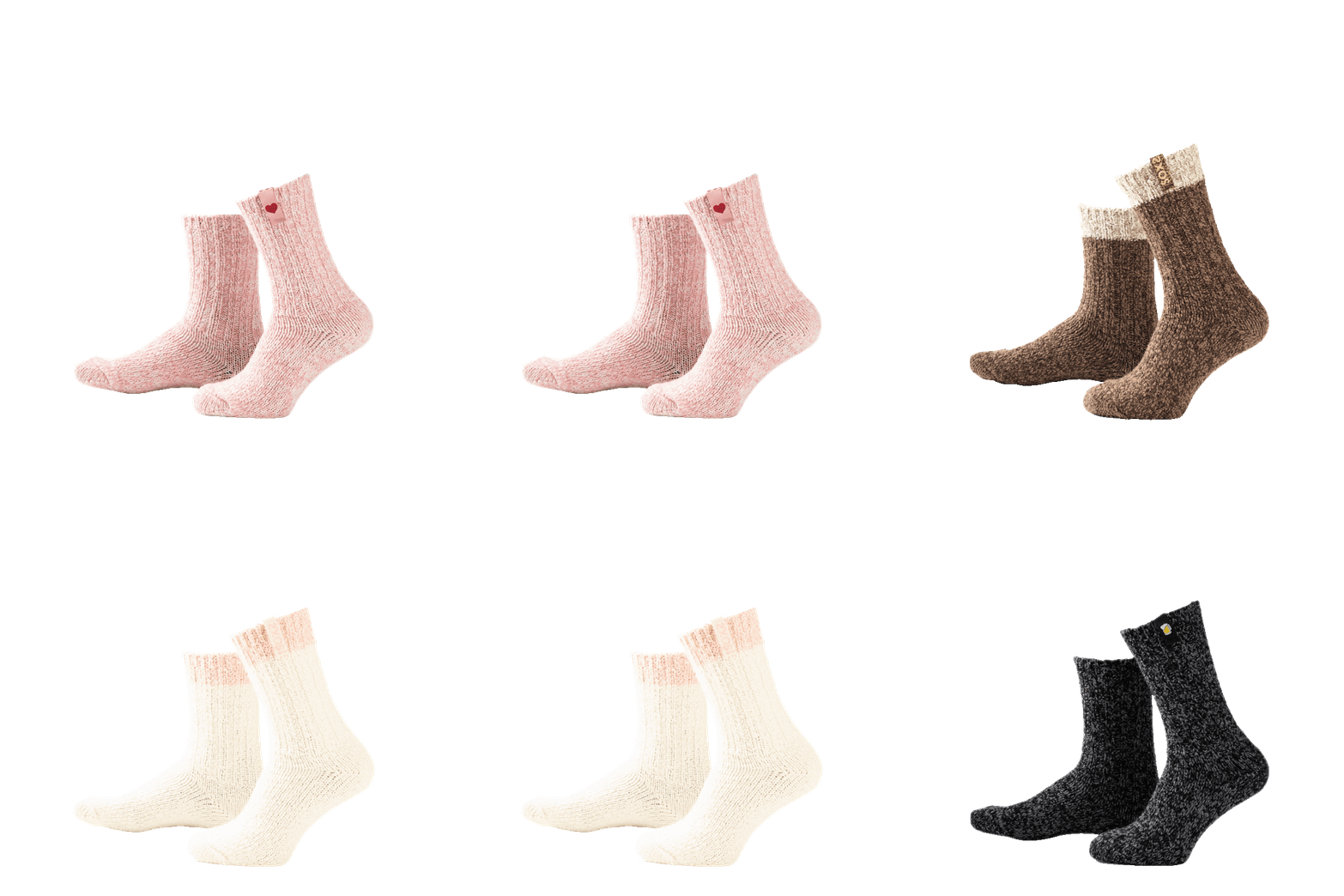
Soft warm premium wool socks
Gift ready, stylishly packaged
Orders placed before 1:00 PM will be shipped today (on weekdays) PLEASE NOTE: The delivery time of Pimp My Soxs is 5 working days!

Finding the right socks when you have diabetes isn’t just about comfort—it’s about protecting your foot health and preventing serious complications. People with diabetes face unique challenges, including reduced circulation, nerve damage, and slower wound healing, making proper foot care essential for their overall well-being.
The right diabetic socks can make a significant difference in maintaining healthy feet by providing the protection and comfort needed for daily activities while supporting proper circulation and moisture management.
Diabetic socks are specifically designed with non-binding tops, seamless construction, and moisture-wicking materials to protect sensitive feet from injury and promote healthy circulation. Unlike regular socks, they often feature cushioned soles, antimicrobial properties, and gentle compression to address the unique needs of diabetic feet.
The key features that distinguish diabetic socks include their ability to reduce friction and pressure points. Seamless toe construction eliminates irritating seams that could cause blisters or sores. Non-binding elastic tops ensure the socks stay up without restricting blood flow to the feet and legs.
Quality diabetic socks also incorporate moisture-management technology. Keeping feet dry is important for preventing fungal infections and maintaining skin integrity. Materials like merino wool naturally wick moisture away from the skin while maintaining warmth and comfort throughout the day.
People with diabetes need special socks because diabetes can cause nerve damage (neuropathy) and poor circulation, making feet more vulnerable to injury, infection, and slow healing. Regular socks may have seams, tight bands, or rough materials that can create pressure points and wounds that people with diabetes might not feel due to reduced sensation.
Diabetic neuropathy affects up to 50% of people with diabetes, reducing their ability to feel pain, temperature changes, or minor injuries. This means a small blister from an ill-fitting sock could develop into a serious wound without the person realizing it. Poor circulation compounds this problem by slowing the healing process.
Additionally, diabetes increases the risk of foot infections and complications. High blood sugar levels can impair the immune system’s ability to fight off bacteria and fungi. Specialized diabetic socks help create an environment that reduces these risks through better moisture control and reduced friction.
The best materials for diabetic socks are merino wool, bamboo fiber, and moisture-wicking synthetic blends that provide natural antimicrobial properties, temperature regulation, and superior moisture management. Merino wool stands out as particularly beneficial because it maintains warmth while preventing overheating and naturally resists odor-causing bacteria.
Merino wool offers exceptional benefits for diabetic foot care. Its natural crimp structure traps air for insulation while allowing moisture vapor to escape. This dual action keeps feet at a comfortable temperature and prevents the damp conditions in which bacteria and fungi thrive. The soft, fine fibers are also less likely to cause irritation than traditional wool.
Bamboo fiber is another excellent choice, offering natural antibacterial properties and exceptional softness. Synthetic moisture-wicking materials like Coolmax or similar technologies can also be effective, though they may not provide the same natural antimicrobial benefits as wool or bamboo.
Cotton should generally be avoided for diabetic socks, as it retains moisture against the skin and loses its insulating properties when wet, creating conditions that promote bacterial growth and skin problems.
Compression socks help people with diabetes by gently promoting blood circulation in the lower legs and feet, which can be compromised by diabetic complications. Graduated pressure supports venous return and may help reduce swelling while providing additional protection against injury through a snug, supportive fit.
The gentle compression works by applying pressure that gradually decreases from the ankle upward. This helps push blood back toward the heart, counteracting the effects of poor circulation that many people with diabetes experience. Improved circulation can help deliver nutrients and oxygen to foot tissues while removing waste products more efficiently.
However, compression socks for people with diabetes require careful consideration. The compression level must be appropriate—too much pressure can actually restrict circulation further. Most diabetic compression socks use mild compression (8–15 mmHg) rather than the higher levels used for other conditions.
It’s important for people with diabetes to consult their healthcare provider before using compression socks, as individual circulation issues vary. Some people with diabetes who have severe peripheral artery disease may not be suitable candidates for compression therapy.
When buying diabetic socks, look for seamless toe construction, non-binding tops, cushioned soles, moisture-wicking materials, and antimicrobial properties. These features work together to minimize friction, support circulation, keep feet dry, and reduce infection risk while providing comfortable protection throughout the day.
Seamless toe construction is perhaps the most important feature. Traditional toe seams can create pressure points that lead to blisters or sores. Look for socks with hand-linked toes or seamless knitting technology that eliminates these potential problem areas entirely.
The sock top should be non-binding, with gentle elastic that holds the sock in place without creating tight bands around the leg. This prevents restricted circulation while ensuring the sock doesn’t slide down and bunch up inside shoes.
Cushioning in key areas like the heel and forefoot provides extra protection against impact and pressure. However, avoid excessive padding that might make shoes feel tight, as proper shoe fit remains important for diabetic foot health.
Additional beneficial features include flat-knit construction for a smooth interior surface, reinforced heel and toe areas for durability, and appropriate thickness for your footwear. Some diabetic socks also feature color-changing technology that can alert wearers to temperature changes in their feet, though this is more of a monitoring aid than a primary protective feature.
We understand that choosing the right socks for diabetes management involves balancing comfort, protection, and quality. At SOXS, our wool socks are designed with many of these important features in mind, offering the natural benefits of merino wool in a comfortable, non-restrictive design that supports foot health and daily comfort.