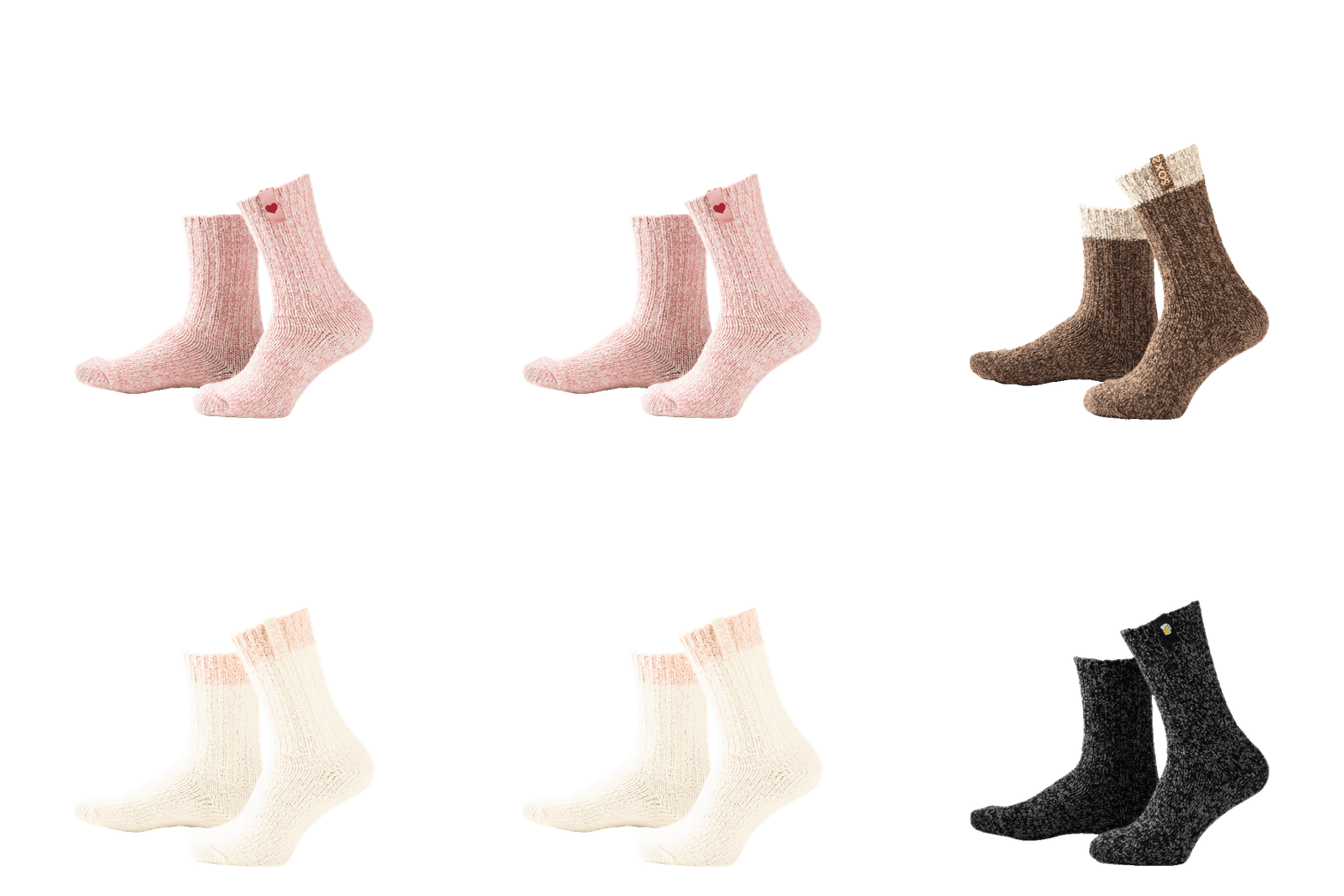

Soft warm premium wool socks
Gift ready, stylishly packaged
Orders placed before 1:00 PM will be shipped today (on weekdays) PLEASE NOTE: The delivery time of Pimp My Soxs is 5 working days!

When winter arrives and your feet feel like ice blocks, you might wonder why some wool socks keep you toasty while others leave you shivering. The secret lies in the quality of the wool and how it’s crafted into your socks. New Zealand merino wool stands apart from other materials because of its unique fiber structure and natural properties that trap warm air while wicking moisture away from your skin.
Understanding what makes certain wool socks exceptionally warm can help you choose the right pair for your needs. Whether you’re hiking mountain trails, practicing yoga at home, or simply looking for cozy comfort during your workday, the construction and material quality of your socks make all the difference in keeping your feet warm and comfortable.
New Zealand wool provides superior warmth because of its fine fiber diameter, natural crimp structure, and exceptional ability to trap air. The sheep graze in diverse climates, producing wool with optimal insulation properties that outperform synthetic materials and other wool types by maintaining warmth even in wet conditions.
The unique geography of New Zealand creates ideal conditions for producing premium wool. Sheep roam freely across varied terrain, from coastal areas to mountainous regions, which naturally conditions their fleece to handle temperature fluctuations. This environmental stress produces wool fibers that are both resilient and highly insulating.
New Zealand merino wool fibers are significantly finer than regular wool, measuring between 18 and 24 microns in diameter. This fineness allows more fibers to be packed into each sock, creating countless tiny air pockets that trap body heat. The natural crimp in these fibers adds elasticity and creates even more insulating air spaces.
Unlike cotton or synthetic materials that lose their insulating properties when damp, New Zealand wool retains warmth even when wet. Wool fibers can absorb up to 30% of their weight in moisture while still feeling dry to the touch, making them ideal for active wear and humid conditions.
SOXS wool construction enhances warmth through specialized knitting techniques, optimal wool blends, and strategic thickness variations across different zones of the sock. This construction creates multiple insulating layers while maintaining breathability, resulting in socks that regulate temperature effectively throughout the day.
The knitting process plays a vital role in warmth retention. Dense knit patterns create more air pockets between fibers, while the specific tension used during construction ensures the wool maintains its natural loft. This lofty structure is what gives wool socks their superior insulating properties compared to flatter-knit alternatives.
Different areas of the sock use different construction techniques. The toe and heel feature reinforced knitting for durability, while the leg and foot use looser knits that maximize air circulation and warmth. This targeted approach ensures comfort without sacrificing thermal performance.
Wool-blend percentages are carefully calibrated for each sock type. Higher wool content in thermal socks provides maximum warmth, while lighter blends in everyday socks offer comfort with breathability. This precise blending ensures each sock performs optimally for its intended use.
SOXS wool differs from regular wool socks through premium New Zealand merino wool sourcing, specialized construction techniques, and targeted designs for specific activities. While regular wool socks often use lower-grade wool with basic knitting, SOXS focuses on fiber quality and purposeful engineering for superior comfort and performance.
The primary difference lies in wool quality. Many regular wool socks blend lower-grade wools or use coarser fibers that can feel scratchy against the skin. SOXS uses fine merino wool that feels soft and comfortable, even during extended wear.
Construction methods also set SOXS apart. Regular wool socks often use standard knitting patterns designed for mass production. SOXS employs specialized techniques that optimize air trapping, moisture management, and durability while maintaining the wool’s natural properties.
The design philosophy differs fundamentally. Regular wool socks typically follow a one-size-fits-all approach, while SOXS creates specific designs for different activities and needs. Whether you need extra warmth for cold conditions, breathability for active use, or comfort for relaxation, each design serves a specific purpose.
SOXS wool socks maintain warmth when wet because merino wool fibers have hydrophobic exteriors and hygroscopic interiors, allowing them to repel surface moisture while absorbing vapor and generating heat through the absorption process. This unique property keeps feet warm even in damp conditions where other materials would fail.
The science behind this involves the wool fiber structure. Each fiber has tiny scales on its surface that repel liquid water, preventing the sock from becoming fully saturated. Meanwhile, the fiber core can absorb water vapor from your skin, drawing moisture away from your feet.
When wool absorbs moisture vapor, it generates heat through a process called the heat of absorption. This means your socks literally warm up as they work to keep your feet dry. This natural heating mechanism doesn’t occur with synthetic materials or cotton.
The air pockets between wool fibers remain largely intact even when the sock encounters moisture. These trapped air spaces continue to provide insulation, while the wool’s natural elasticity helps the sock maintain its shape and prevents it from becoming heavy or uncomfortable when damp.
Proper care for SOXS wool socks involves washing in cool water with a wool-specific detergent, air-drying away from direct heat, and storing them properly to maintain fiber integrity. Following these care guidelines preserves the wool’s natural insulating properties and significantly extends the socks’ lifespan.
Temperature control during washing is vital. Hot water can cause wool fibers to shrink and lose their natural crimp, reducing their ability to trap air and provide warmth. Cool or lukewarm water—around 30°C or less—protects the fiber structure while still cleaning effectively.
Choose detergents specifically formulated for wool, or use gentle, pH-neutral alternatives. Harsh chemicals and bleach can damage wool fibers, making them less effective at regulating temperature and moisture. Wool-specific detergents help maintain the natural oils that keep fibers soft and functional.
Air-drying preserves the wool’s structure better than machine drying. High heat from dryers can cause fibers to felt together, reducing air pockets and insulation capacity. Lay socks flat on a towel or hang them in a well-ventilated area away from direct sunlight and heat sources.
Store your wool socks in a breathable environment. Cedar blocks or lavender sachets can help deter moths while allowing air circulation. Avoid plastic bags or airtight containers that can trap moisture and create conditions for mold or mildew.
When you invest in quality wool socks, proper care ensures they continue providing exceptional warmth and comfort for years. At SOXS, we design our socks to withstand regular use while maintaining their thermal properties, but following these care guidelines helps you get the most from your investment in premium New Zealand wool comfort.