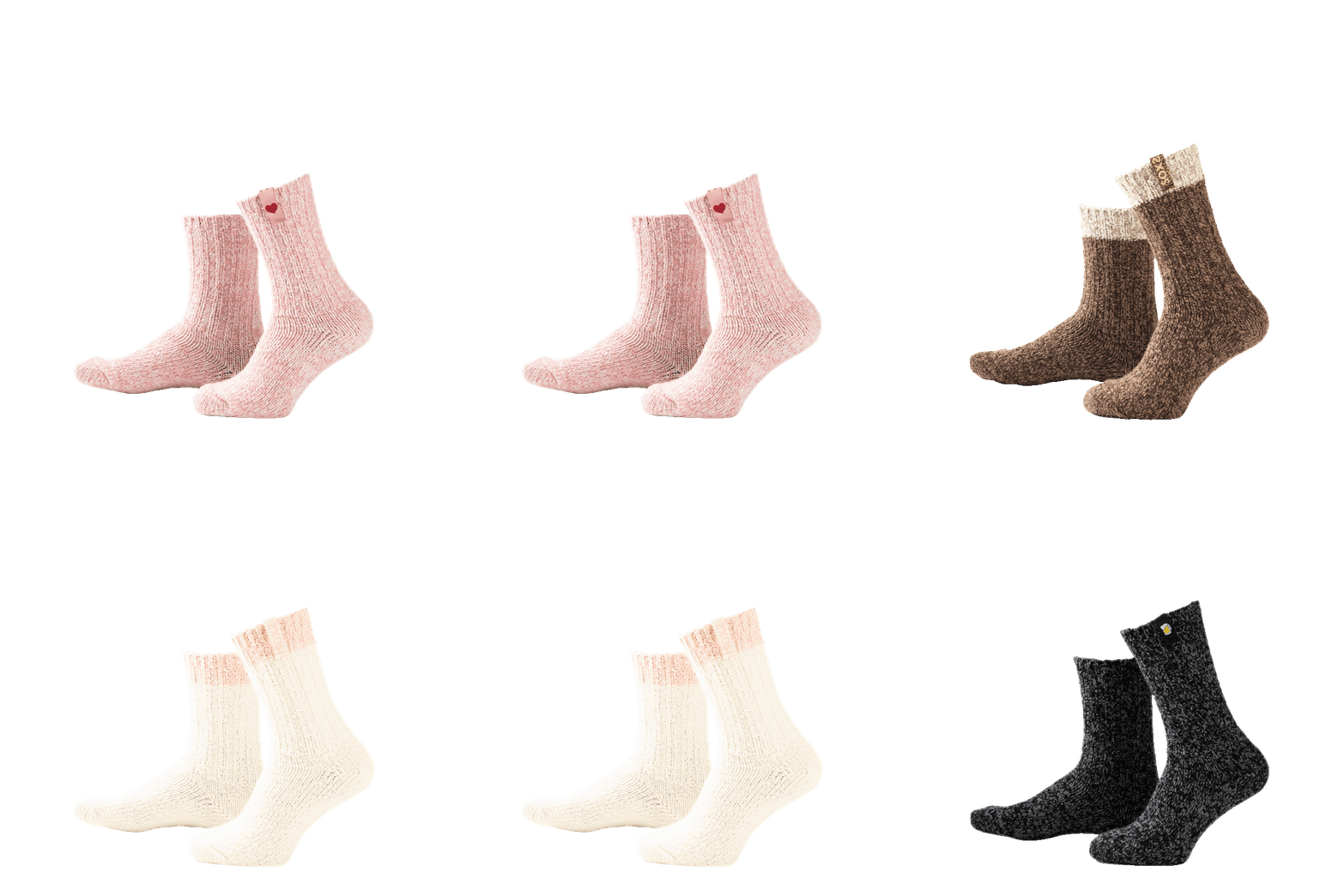

Soft warm premium wool socks
Gift ready, stylishly packaged
Orders placed before 1:00 PM will be shipped today (on weekdays) PLEASE NOTE: The delivery time of Pimp My Soxs is 5 working days!

When you’re shopping for wool socks, the price difference between cheap and premium options can be striking. While budget wool socks might seem like a smart purchase, they often come with hidden costs that make them less economical in the long run. Understanding these disadvantages helps you make informed decisions about your sock investments and foot comfort.
The quality gap between inexpensive wool socks and premium brands reveals itself in materials, construction, durability, and overall performance. Let’s explore why choosing quality over price often delivers better value for your feet and your wallet.
Cheap wool socks typically use lower-grade wool blends, thinner construction, and cost-cutting manufacturing processes that compromise performance and longevity. Premium brands invest in superior materials like ethically sourced New Zealand merino wool, reinforced construction techniques, and quality control standards that ensure consistent comfort and durability.
Wool quality makes the biggest difference. Budget socks often contain coarse wool fibers mixed with synthetic materials that feel scratchy against your skin. These blends lack the natural properties that make wool special, including temperature regulation and moisture-wicking capabilities. The wool percentage is usually lower—sometimes as little as 20–30%—with the remainder made up of cheap synthetic fibers.
Construction quality varies dramatically between price points. Cheap wool socks frequently have loose knitting, weak seams, and poor reinforcement in high-wear areas like the heels and toes. Premium brands use advanced knitting techniques, reinforced stress points, and careful attention to fit details like non-binding cuffs and smooth toe seams.
Manufacturing standards also differ significantly. Quality brands maintain strict quality control, ensuring each pair meets performance standards. Budget manufacturers often prioritize speed and cost reduction over consistency, resulting in variable quality between pairs from the same brand.
Cheap wool socks deteriorate rapidly because they use inferior wool fibers, minimal reinforcement, and loose knitting structures that cannot withstand regular wear and washing. Thin construction and poor-quality materials lead to holes, thinning fabric, and loss of shape within weeks or months of regular use.
Wool fiber quality directly impacts durability. Lower-grade wool contains shorter, weaker fibers that break down quickly under friction and stress. These fibers also pill excessively, creating an uncomfortable texture and an unsightly appearance. When manufacturers use wool scraps or recycled wool, the fiber integrity is already compromised before the sock is even made.
Inadequate reinforcement in critical areas accelerates wear. Budget socks rarely have proper heel and toe reinforcement, which are the areas that experience the most friction during walking. Without this protection, holes develop quickly, often within the first few weeks of regular wear.
Poor knitting density creates another durability issue. Loose knitting may feel softer initially, but it lacks the structural integrity needed for long-term wear. The fabric stretches out of shape, loses elasticity, and develops thin spots that eventually become holes. This loose construction also means the socks lose their ability to stay up properly, leading to uncomfortable bunching and sliding.
Cheap wool socks can negatively affect foot comfort through poor moisture management, inadequate cushioning, and irritating fiber quality that can cause blisters, odors, and temperature-regulation problems. Inferior materials fail to provide the natural benefits that make quality wool socks beneficial for foot health.
Moisture management suffers significantly with budget wool socks. Synthetic fiber blends and lower wool content reduce the natural moisture-wicking properties that wool is known for. This leads to damp, clammy feet that create an environment for bacterial growth and unpleasant odors. Poor moisture control also increases friction, leading to hot spots and blisters during extended wear.
Temperature regulation becomes problematic with cheap wool socks. Quality wool naturally adapts to your body temperature, keeping feet warm when it’s cold and cool when it’s warm. Budget socks with minimal wool content lack this adaptive quality, often leaving feet either too hot or too cold, depending on conditions.
The coarse fiber quality in cheap wool socks can irritate sensitive skin. These rougher fibers create friction against your feet, potentially causing redness, itching, or discomfort during extended wear. The lack of proper cushioning in key areas also means less protection for your feet during daily activities.
Fit problems compound comfort issues. Cheap socks often have poor elastic retention, causing them to slip down in shoes or bunch up uncomfortably. This creates pressure points and reduces the sock’s ability to protect your feet effectively.
Cheap wool socks create significant environmental waste because of their short lifespan, requiring frequent replacements that increase resource consumption and landfill contributions. The fast-fashion approach to sock manufacturing often involves less sustainable farming practices, chemical treatments, and packaging that prioritize cost over environmental responsibility.
The throwaway nature of budget socks generates substantial waste. When socks wear out in weeks or months instead of years, consumers must replace them frequently. This cycle means more manufacturing resources, more transportation emissions, and more textile waste ending up in landfills. A single pair of quality socks that lasts several years has a much smaller environmental footprint than multiple pairs of cheap socks replaced over the same period.
Manufacturing practices for budget wool often involve less sustainable approaches. Cheap wool may come from farms with lower animal-welfare standards or poorer environmental practices. Processing might use more chemicals, less efficient water use, and energy-intensive methods to cut costs rather than minimize environmental impact.
Packaging and distribution also contribute to environmental costs. Budget brands often use excessive plastic packaging and ship products over longer distances to take advantage of cheaper manufacturing locations. This adds transportation emissions and packaging waste to the environmental equation.
The synthetic fiber content in cheap wool blends introduces microplastic pollution. When these socks are washed, synthetic fibers shed into water systems, contributing to microplastic contamination that affects marine life and water quality.
Premium wool socks deliver superior value through exceptional durability, comfort, and performance that justify their higher upfront cost. When you calculate cost per wear over their extended lifespan, quality wool socks often prove more economical than repeatedly replacing cheap alternatives, while providing significantly better foot comfort and health benefits.
The durability advantage makes the strongest financial case for premium wool socks. While cheap socks might cost a few dollars per pair, they need to be replaced every few months. Quality wool socks can last several years with proper care, making their cost per wear competitive—or even lower—than budget alternatives. This longevity also saves you the time and hassle of frequent shopping for replacements.
Comfort benefits justify the investment for many people. Premium wool socks provide superior temperature regulation, moisture management, and cushioning that can significantly improve your daily comfort. For people who spend long hours on their feet or have sensitive feet, this improvement can affect overall well-being and productivity.
At SOXS, we understand that investing in quality wool socks means investing in your daily comfort and long-term satisfaction. Our ethically sourced New Zealand wool socks combine durability, comfort, and environmental responsibility to deliver genuine value that extends far beyond the initial purchase price. When you choose quality, you’re not just buying socks; you’re investing in years of reliable warmth and comfort for your feet.