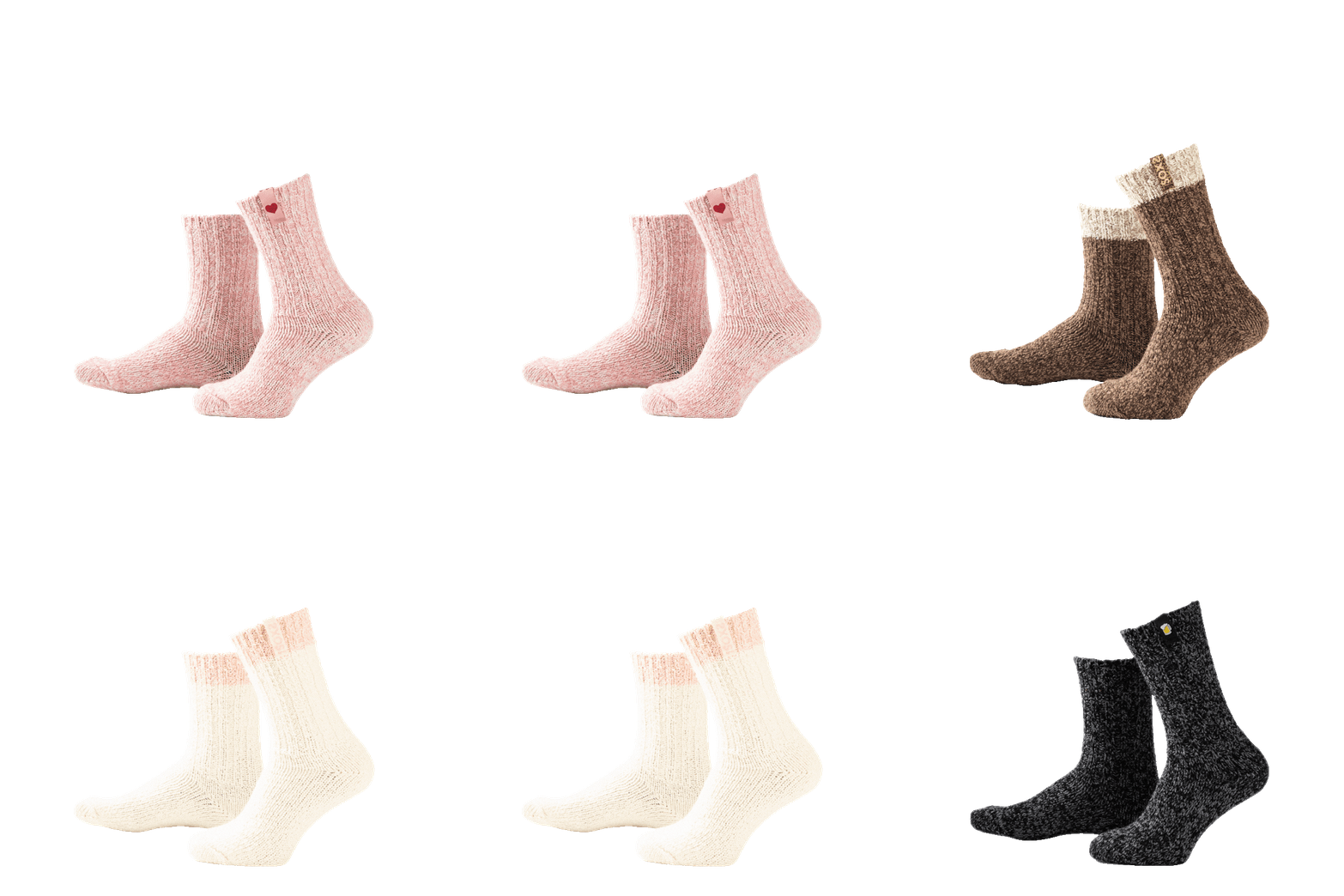
Soft warm premium wool socks
Gift ready, stylishly packaged
Orders placed before 1:00 PM will be shipped today (on weekdays) PLEASE NOTE: The delivery time of Pimp My Soxs is 5 working days!

When choosing clothing materials, many people overlook how different fabrics interact with their skin. While synthetic materials and cotton dominate the market, wool offers unique benefits that can significantly impact your skin’s health and comfort. Understanding these advantages helps you make better choices for your daily wear, especially for items like socks that stay in close contact with your skin for extended periods.
The relationship between wool and skin health goes far beyond simple warmth. Natural wool fibers possess properties that actively support your skin’s well-being through moisture management, temperature regulation, and antimicrobial effects. These characteristics make wool particularly valuable for people with sensitive skin or those seeking healthier fabric options.
Wool provides natural skin benefits through its unique fiber structure, which regulates moisture, maintains an optimal temperature, and resists bacterial growth. The crimped structure of wool fibers creates tiny air pockets that insulate while allowing air to circulate, preventing the buildup of moisture and bacteria that can irritate the skin.
The lanolin naturally present in wool acts as a gentle moisturizer, helping to keep skin soft and prevent dryness. This natural wax coating also has antimicrobial properties, reducing the growth of odor-causing bacteria and fungi that thrive in warm, moist environments.
Wool’s ability to absorb up to 30% of its weight in moisture without feeling wet means your skin stays dry and comfortable throughout the day. This moisture-wicking property prevents the clammy feeling that synthetic materials often create, reducing the risk of skin irritation, chafing, and fungal infections.
Wool’s exceptional breathability allows air to circulate freely around your skin, preventing overheating and moisture buildup that can lead to rashes, irritation, and bacterial growth. The natural crimp in wool fibers creates microscopic air channels that facilitate this airflow while maintaining insulation.
Unlike synthetic fabrics that trap heat and moisture against your skin, wool actively manages your body’s microclimate. This temperature regulation prevents the hot, sweaty conditions in which skin problems typically develop. Your skin can breathe naturally, helping maintain its healthy pH balance and natural protective barrier.
The breathable nature of wool also means less friction against your skin during movement. This reduced friction helps prevent blisters, hot spots, and other mechanical irritations that commonly occur with less breathable materials, particularly during physical activity or extended wear.
Modern wool, particularly merino wool, rarely causes skin irritation when properly processed and sourced. True wool allergies are uncommon, affecting fewer than 1% of the population. Most perceived “wool allergies” are actually reactions to harsh processing chemicals or coarse fiber textures rather than to the wool itself.
High-quality merino wool features ultra-fine fibers that feel soft against the skin rather than scratchy. These fine fibers bend easily when they contact the skin, eliminating the prickly sensation associated with coarser wool varieties. The diameter of merino fibers is often smaller than that of cotton fibers, making them inherently gentler.
If you experience irritation from wool, consider these factors: the wool’s quality and processing method, any chemical treatments applied, and whether you’re wearing the wool directly against sensitive skin. Choosing ethically sourced, minimally processed wool from reputable manufacturers significantly reduces the likelihood of skin reactions.
Merino wool offers superior skin comfort compared to regular wool due to its ultra-fine fiber diameter, typically measuring 18–24 microns versus 25–40 microns for regular wool. These finer fibers bend more easily against the skin, eliminating the scratchy feeling while maintaining all of wool’s beneficial properties.
The finer structure of merino wool also enhances its moisture-wicking capabilities and breathability. Merino fibers can absorb and release moisture more efficiently than coarser wool, keeping your skin drier and more comfortable. This improved performance makes merino wool ideal for extended wear and active use.
Regular wool, while still beneficial for skin health, may feel rougher and less comfortable against sensitive skin. However, both types offer natural antimicrobial properties and temperature regulation. The choice between them often comes down to personal sensitivity levels and intended use, with merino being the premium option for direct skin contact.
Wool outperforms cotton and synthetic fabrics in skin health benefits through superior moisture management, temperature regulation, and antimicrobial properties. While cotton absorbs moisture, it retains it against your skin, creating conditions for bacterial growth. Synthetic fabrics often trap heat and moisture, leading to skin irritation and odor.
Cotton becomes heavy and loses insulation when wet, staying damp against your skin for extended periods. This prolonged moisture contact can soften skin, making it more susceptible to friction injuries and bacterial infections. Wool, conversely, wicks moisture away from the skin while maintaining its insulating properties even when damp.
Synthetic fabrics like polyester and nylon may feel smooth initially but often cause overheating and poor ventilation. They lack the natural antimicrobial properties of wool, requiring frequent washing to prevent odor and bacteria buildup. Wool’s natural resistance to odor-causing bacteria means less frequent washing, which is gentler on both the fabric and your skin’s natural oils.
We understand the importance of choosing materials that support your skin’s health and comfort. That’s why SOXS makes socks from premium merino wool, combining the natural benefits of wool with thoughtful design for optimal skin wellness. When you prioritize natural fibers like wool, you’re investing in both immediate comfort and long-term skin health.