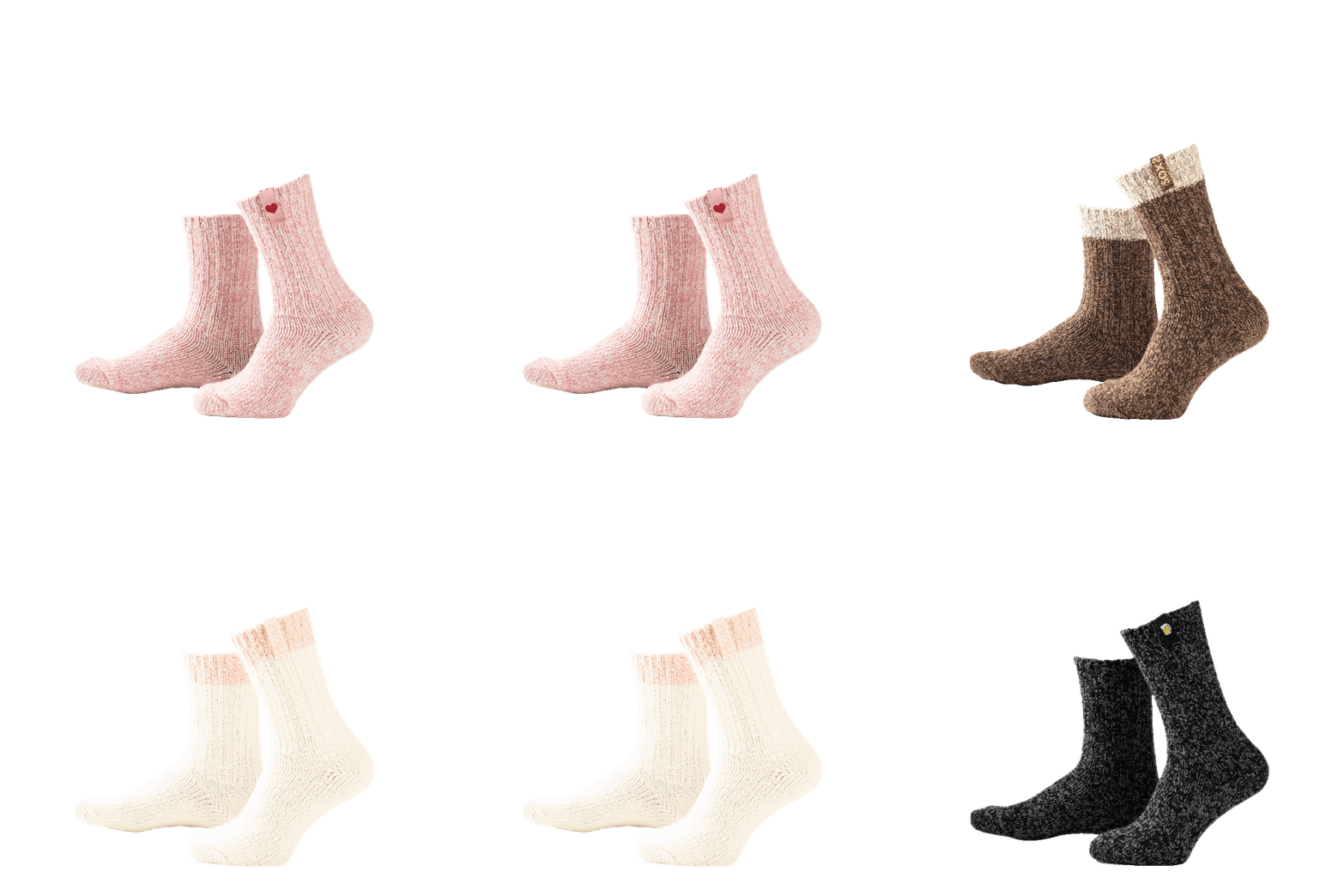
Soft warm premium wool socks
Gift ready, stylishly packaged
Orders placed before 1:00 PM will be shipped today (on weekdays) PLEASE NOTE: The delivery time of Pimp My Soxs is 5 working days!

When you’re shopping for wool products, the difference between high-quality and basic options isn’t always obvious at first glance. Yet this choice significantly affects everything from comfort and durability to environmental sustainability and long-term value. Understanding what makes wool truly exceptional helps you make informed decisions that benefit both your wallet and your well-being.
High-quality wool represents an investment in natural comfort, environmental responsibility, and lasting performance. Whether you’re considering wool socks for daily wear, outdoor adventures, or cozy evenings at home, knowing the characteristics of premium wool ensures you get products that deliver on their promises year after year.
High-quality wool is distinguished by its fiber fineness, the source breed, and processing methods. Premium wool, particularly merino wool, features fibers measuring 18–24 microns in diameter, making them significantly softer and less itchy than regular wool’s 25–40 micron fibers. The finest wool comes from specific sheep breeds raised in optimal conditions, with careful attention to animal welfare.
Processing methods also set quality wool apart. Premium wool undergoes gentle cleaning and treatment processes that preserve the fibers’ natural properties. Regular wool often receives harsh chemical treatments that can damage the fiber structure and reduce natural benefits such as moisture-wicking and temperature regulation.
Quality wool maintains its natural crimp and elasticity, creating tiny air pockets that provide superior insulation. This structure allows wool to trap warm air while remaining breathable. The natural lanolin content is carefully preserved in high-quality wool, contributing to its antibacterial properties and soft feel against the skin.
Source matters tremendously in wool quality. Sheep raised in clean, low-stress environments with proper nutrition produce superior fleece. Ethically sourced wool from farms that prioritize animal welfare typically results in stronger, more consistent fibers with better natural properties.
High-quality wool outlasts synthetic materials because of its unique fiber structure and natural resilience. Wool fibers can bend up to 20,000 times before breaking, compared with cotton’s 3,000 times and synthetic materials’ much lower tolerance. This exceptional elasticity means wool products maintain their shape and integrity through countless wear and wash cycles.
The natural crimp in wool fibers acts like tiny springs, allowing the material to stretch and return to its original form without permanent deformation. Synthetic materials lack this natural elasticity and tend to lose their shape over time, developing permanent stretching or pilling that reduces both comfort and appearance.
Wool’s natural resistance to odors and stains significantly extends its usable life. The fiber’s structure naturally repels dirt and moisture, requiring less frequent washing than synthetic alternatives. This reduced washing frequency helps preserve the material’s integrity and prevents the breakdown that comes from repeated exposure to detergents and mechanical agitation.
Quality wool products often feature reinforced construction in high-wear areas. When wool is blended with small amounts of synthetic fibers such as polyamide, it gains additional durability while maintaining wool’s natural benefits. This strategic blending creates products that resist wear while preserving comfort and performance characteristics.
Wool products offer significant environmental benefits as a renewable, biodegradable resource that requires minimal processing compared with synthetic alternatives. Sheep naturally regrow their fleece annually, making wool a truly sustainable material that doesn’t deplete finite resources. When wool products reach the end of their life cycle, they decompose naturally without contributing to microplastic pollution.
The production of synthetic materials requires petroleum-based chemicals and energy-intensive manufacturing processes that generate substantial carbon emissions. In contrast, wool processing relies primarily on mechanical methods with minimal chemical intervention, resulting in a much smaller environmental footprint.
Wool’s durability directly translates into environmental benefits through reduced consumption. A single pair of high-quality wool socks can outlast multiple pairs of synthetic alternatives, reducing overall resource consumption and waste generation. The longer lifespan means fewer products need to be manufactured, shipped, and eventually disposed of.
Sustainable wool farming practices can benefit ecosystems when managed properly. Well-managed grazing helps maintain grassland health, supports biodiversity, and can contribute to carbon sequestration in soil. Choosing wool from farms that prioritize regenerative agriculture amplifies these positive environmental impacts.
Natural wool provides several health-related benefits through its unique properties of temperature regulation, moisture management, and hypoallergenic characteristics. Wool naturally regulates body temperature by trapping warm air when it’s cold and wicking moisture away when it’s warm, helping maintain optimal comfort levels throughout the day.
The moisture-wicking properties of wool help prevent the buildup of bacteria and fungi that thrive in damp conditions. Wool can absorb up to 30% of its weight in moisture without feeling wet, keeping skin dry and reducing the risk of fungal infections or unpleasant odors. This makes wool particularly beneficial for people with sensitive skin or circulation concerns.
Wool’s natural antibacterial properties come from its slightly acidic pH and the presence of natural compounds that inhibit bacterial growth. This means wool products stay fresher longer and require less frequent washing, which is gentler on both the product and your skin.
For people with temperature regulation challenges, wool provides consistent comfort without the overheating or chilling that can occur with synthetic materials. Its natural breathability allows air circulation while maintaining insulation, creating a comfortable microclimate around the skin.
Identifying quality wool products requires examining fiber content, construction details, and source information. Look for products made from merino wool or other fine wool varieties, with fiber content clearly labeled. Quality wool products typically contain 60–80% wool, blended with small amounts of synthetic fibers for added durability and better fit retention.
Check the construction quality by examining seams, reinforcement areas, and overall craftsmanship. Well-made wool products feature smooth, even stitching and reinforcement in high-wear areas. The fabric should feel soft and smooth rather than scratchy or rough, indicating proper processing and fiber quality.
Source information provides valuable insights into product quality. Look for brands that specify their wool source, animal welfare practices, and processing methods. Products from companies that emphasize sustainable sourcing and ethical production typically maintain higher quality standards throughout their supply chain.
Feel and appearance offer immediate quality indicators. High-quality wool has a natural luster and feels soft to the touch. The fabric should have good drape and elasticity, returning to its original shape when gently stretched. Avoid products that feel stiff, scratchy, or show visible inconsistencies in the weave or knit structure.
Proper care for high-quality wool involves gentle washing, careful drying, and appropriate storage to maintain the fiber’s natural properties and extend product life. Wash wool items in cool water using a specialized wool detergent or mild soap, avoiding harsh chemicals that can damage the fiber structure. Hand-washing or using a gentle machine cycle provides the best results.
Temperature control is crucial for wool care. Never use hot water or high-heat drying, as this can cause shrinkage and felting. Instead, gently squeeze out excess water and lay items flat to dry away from direct sunlight or heat sources. This preserves the fiber’s elasticity and prevents distortion.
Washing frequency should be minimized due to wool’s natural odor resistance. Allow wool items to air out between wears, which often refreshes them without requiring a full wash. This approach not only maintains the wool’s integrity but also saves time and energy.
Storage requires attention to both cleanliness and protection. Clean wool items thoroughly before long-term storage, and use breathable containers or garment bags. Cedar blocks or lavender sachets can provide natural moth protection without the harsh chemicals found in conventional mothballs. Proper storage ensures your quality wool products remain in excellent condition for years to come.
Investing in high-quality wool products represents a commitment to comfort, sustainability, and long-term value. When you choose premium wool items, you’re selecting products that will serve you well across seasons and years while supporting more sustainable consumption patterns. At SOXS, we understand the importance of this investment, which is why we source ethically obtained wool and craft products designed to provide lasting warmth, comfort, and satisfaction.