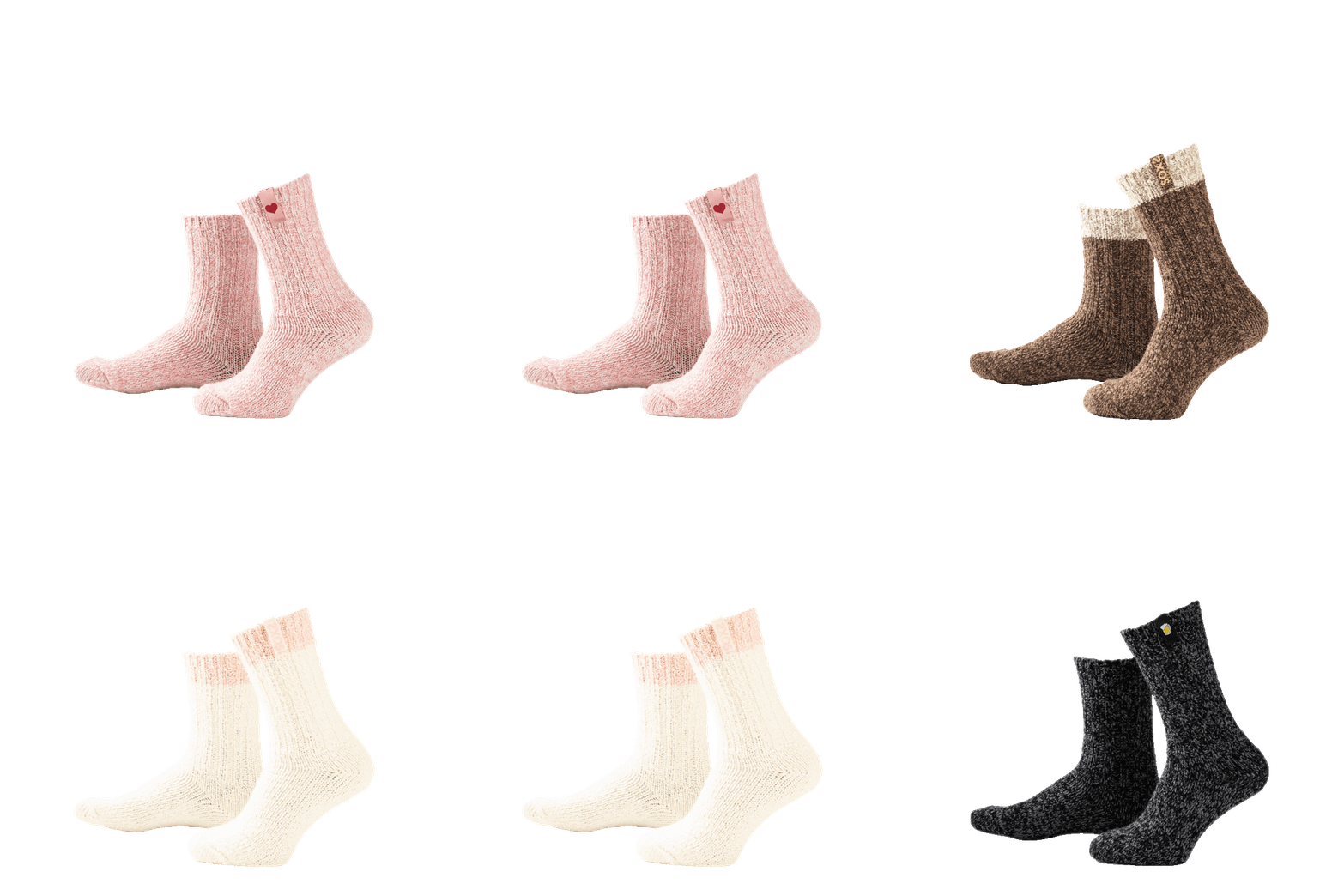
Soft warm premium wool socks
Gift ready, stylishly packaged
Orders placed before 1:00 PM will be shipped today (on weekdays) PLEASE NOTE: The delivery time of Pimp My Soxs is 5 working days!

Your feet work hard every day, carrying you through countless steps and supporting your entire body weight. Yet many people don’t think much about what they put on their feet until problems arise. Socks serve as a crucial barrier between your skin and your shoes, playing multiple important roles in foot health, comfort, and overall well-being.
Understanding what socks actually do for your feet can help you make better choices about this seemingly simple piece of clothing. From moisture management to temperature regulation, the right pair of socks can transform your daily comfort and protect your feet from various issues.
The primary function of socks is to create a protective barrier between your feet and your shoes while managing moisture and temperature. Socks absorb sweat, reduce friction, and provide cushioning to prevent blisters, calluses, and other foot problems caused by direct contact with shoes.
Beyond basic protection, quality socks regulate foot temperature throughout the day. Natural materials like merino wool excel at this because they trap warm air in their fibers while simultaneously wicking moisture away from your skin. This dual action keeps your feet comfortable whether you’re walking in cold weather or sitting at your desk all day.
Socks also improve the fit of your shoes. They fill small gaps between your foot and your shoe, preventing your foot from sliding around inside. This better fit reduces pressure points and hot spots that can develop into painful blisters during extended wear.
Socks protect your feet by reducing friction between your skin and your shoes, absorbing moisture that can lead to bacterial growth, and providing cushioning against impact. This protection helps prevent blisters, athlete’s foot, and other common foot problems that develop from prolonged shoe wear.
Friction reduction happens when the sock’s smooth surface moves against the inside of the shoe instead of your skin rubbing directly. Quality socks made from materials like merino wool create an even smoother barrier because the natural fibers are less likely to bunch up or create rough spots.
Moisture absorption is equally important for protection. When your feet sweat, trapped moisture creates an ideal environment for bacteria and fungi to grow. Good socks pull this moisture away from your skin and allow it to evaporate, keeping your feet dry and healthy. Wool socks can absorb up to 30% of their weight in moisture while still feeling dry to the touch.
The cushioning effect varies depending on sock thickness and construction. Thicker socks provide more padding for high-impact activities, while thinner socks offer protection without adding bulk in fitted shoes.
Without socks, your feet experience increased friction, moisture buildup, and temperature fluctuations that can lead to blisters, fungal infections, and unpleasant odors. Your shoes also wear out faster and become less hygienic when worn without the protective barrier that socks provide.
Direct contact between your feet and your shoes creates friction with every step. This constant rubbing causes the skin to heat up and eventually separate into painful blisters. Areas like your heels and the sides of your toes are particularly vulnerable because they experience the most pressure and movement against the shoe’s sides.
Moisture becomes trapped against your skin when you skip socks, creating perfect conditions for bacterial and fungal growth. This leads to athlete’s foot, other infections, and persistent foot odor that’s difficult to eliminate. The warm, damp environment inside shoes without socks is exactly what harmful microorganisms need to thrive.
Your shoes suffer too. Without socks absorbing oils and moisture from your feet, these substances soak directly into the shoe materials. This breaks down the interior lining faster and creates permanent odors that are nearly impossible to remove.
Different sock materials provide varying levels of moisture management, temperature regulation, and durability. Natural fibers like merino wool offer superior breathability and odor resistance, while synthetic materials provide durability and quick-drying properties for specific activities.
Merino wool stands out for its natural temperature-regulation abilities. The crimped fiber structure traps air for insulation while allowing moisture to pass through. This means your feet stay warm in cold conditions and cool when temperatures rise. Wool also has natural antibacterial properties that prevent odor buildup even after extended wear.
Cotton socks feel soft initially but lose their shape quickly and retain moisture rather than wicking it away. This makes them less suitable for active wear or long days on your feet. However, cotton blends can work well for light, casual use when comfort is the primary concern.
Synthetic materials like polyester and nylon offer durability and shape retention. They dry quickly and resist wear, making them popular for athletic socks. However, they don’t regulate temperature as effectively as natural fibers and can trap odors more readily.
Blended materials combine the benefits of different fibers. For example, adding a small percentage of synthetic fibers to wool improves durability and fit while maintaining wool’s natural comfort properties.
Quality socks matter for foot health because they provide consistent moisture management, maintain their protective properties over time, and fit properly without bunching or sliding. Poor-quality socks lose their shape, develop holes, and fail to protect your feet effectively, potentially leading to discomfort and foot problems.
Well-made socks maintain their cushioning and moisture-wicking abilities wash after wash. Construction quality affects how the sock sits on your foot: quality socks have reinforced heels and toes, elastic that doesn’t cut off circulation, and seams that don’t create pressure points.
Material quality directly impacts performance. Premium materials like ethically sourced merino wool provide consistent temperature regulation and natural odor resistance that synthetic alternatives struggle to match. These materials also tend to be gentler on sensitive skin and less likely to cause irritation.
Investing in quality socks pays off through durability and foot health. While premium socks cost more initially, they last longer and provide better protection, making them more economical over time. More importantly, they help prevent foot problems that could require medical attention or limit your daily activities.
Your feet deserve the same attention you give to other aspects of your health and comfort. At SOXS, we understand that quality wool socks made from ethically sourced merino wool aren’t just a luxury—they’re an investment in your daily comfort and long-term foot health. The right pair of socks transforms every step into a more comfortable experience, keeping your feet happy whether you’re at home, at work, or exploring the outdoors.