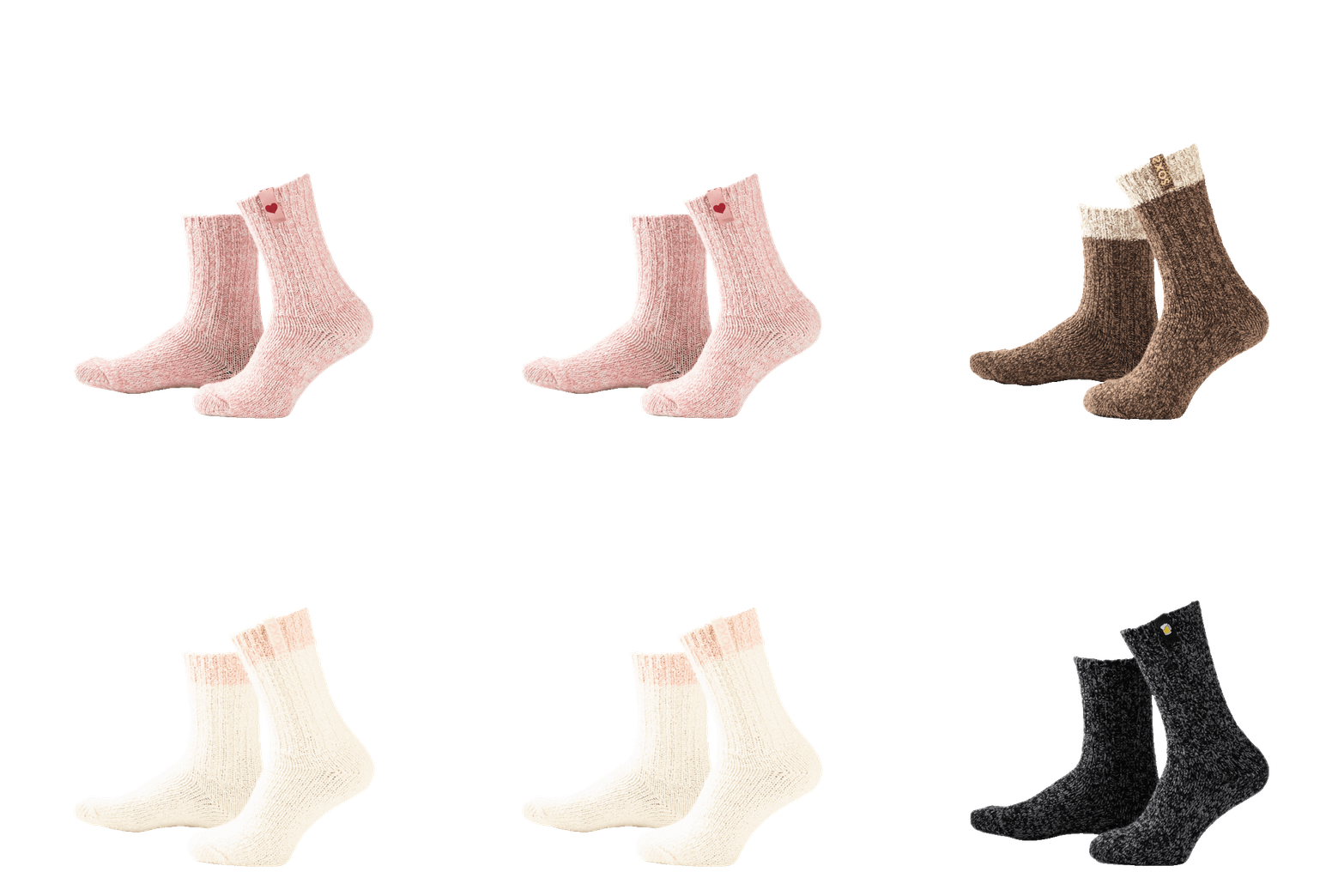

Soft warm premium wool socks
Gift ready, stylishly packaged
Orders placed before 1:00 PM will be shipped today (on weekdays) PLEASE NOTE: The delivery time of Pimp My Soxs is 5 working days!

Wool has been keeping humanity warm for thousands of years, but today’s eco-conscious consumers want to know more than just whether their socks are cozy. With growing awareness of environmental impact and sustainability, many people are asking whether wool truly deserves its reputation as an eco-friendly material. The answer is more nuanced than you might expect, involving everything from natural biodegradability to regenerative farming practices.
Understanding the environmental benefits of wool helps you make informed choices about your clothing purchases. From carbon sequestration in pastures to the longevity of wool products, this natural fiber offers compelling advantages over synthetic alternatives while supporting sustainable agricultural practices worldwide.
Wool is eco-friendly because it’s a renewable, biodegradable natural fiber that requires minimal processing and supports carbon-sequestering grassland ecosystems. Unlike synthetic materials derived from petroleum, wool grows naturally on sheep and breaks down completely at the end of its life cycle without leaving microplastics in the environment.
The renewable nature of wool sets it apart from many other materials. Sheep produce new fleece annually, making wool a consistently available resource that doesn’t deplete finite resources. This annual harvest cycle means wool production can continue indefinitely when managed sustainably, unlike synthetic fibers that rely on non-renewable fossil fuels.
Wool’s natural properties also contribute to its environmental friendliness. The fiber naturally resists odors and stains, reducing the need for frequent washing and chemical treatments. This means wool garments require less water and energy throughout their use phase than synthetic alternatives that need more frequent cleaning.
The biodegradability factor cannot be overstated. When wool products reach the end of their useful life, they decompose naturally in soil, releasing nutrients back into the earth. This creates a closed-loop system in which the material returns to nature without causing pollution or waste accumulation.
Wool production impacts the environment primarily through land use and grazing management. Well-managed sheep farming can benefit ecosystems by maintaining grasslands, supporting biodiversity, and sequestering carbon in the soil. However, intensive farming practices can lead to overgrazing and soil degradation if not properly managed.
Grazing sheep on grasslands can enhance soil health when done responsibly. Sheep naturally fertilize the land through their manure, and their grazing patterns can stimulate grass growth and root development. This process helps build soil organic matter and increases the land’s capacity to store carbon, making well-managed sheep farms potentially carbon-negative operations.
The water footprint of wool production varies significantly depending on farming practices and climate. Rain-fed pastures require no additional irrigation, while sheep in arid regions may need supplemental water. However, wool’s durability means the water investment pays off over many years of product use, unlike fast-fashion items that require frequent replacement.
Sheep farming also supports rural economies and maintains traditional landscapes. Many wool-producing regions rely on sheep grazing to prevent grasslands from converting to scrubland or being developed for other purposes. This preservation of open spaces supports wildlife habitats and maintains ecosystem services such as water filtration and flood control.
Sustainable wool comes from farms that prioritize animal welfare, environmental stewardship, and social responsibility, while conventional wool may prioritize production efficiency over these factors. Sustainable wool producers typically use rotational grazing, avoid harmful chemicals, and ensure ethical treatment of sheep throughout their lives.
Animal welfare standards represent one of the most significant differences between these approaches. Sustainable wool producers focus on sheep health and comfort, providing adequate shelter, nutrition, and veterinary care. They also employ humane shearing practices and avoid procedures that cause unnecessary stress or harm to the animals.
Environmental practices vary dramatically between conventional and sustainable operations. Sustainable wool farms often implement rotational grazing systems that allow pastures to recover between grazing periods. This approach prevents overgrazing, maintains soil health, and supports diverse plant communities that benefit wildlife.
Traceability and transparency also distinguish sustainable wool producers. These farms typically maintain detailed records of their practices and often participate in certification programs that verify their standards. This transparency allows consumers to make informed choices and supports continuous improvement in farming practices.
Wool surpasses synthetic materials environmentally because it’s biodegradable, renewable, and doesn’t shed microplastics that pollute waterways and food chains. While synthetic production requires petroleum extraction and energy-intensive manufacturing processes, wool grows naturally and is processed with minimal environmental impact.
The microplastic pollution issue represents a critical environmental advantage for wool. Every time synthetic garments are washed, they release thousands of microscopic plastic fibers into wastewater. These microplastics persist in the environment for hundreds of years, accumulating in marine ecosystems and entering the food chain. Wool garments shed only natural fibers that biodegrade harmlessly.
Energy consumption during production heavily favors wool over synthetics. Manufacturing polyester and other synthetic fibers requires high-temperature processes and chemical treatments that consume significant amounts of fossil fuels. Wool processing, while requiring some energy for cleaning and preparation, uses far less energy overall and often relies on renewable energy sources.
The end-of-life comparison is equally stark. Synthetic garments persist in landfills for centuries, potentially leaching chemicals into soil and groundwater. Wool products can be composted or simply buried, where they’ll decompose within months and enrich the soil with nitrogen and other nutrients.
High-quality wool garments can last 10–20 years or more with proper care, significantly outlasting most cotton and synthetic alternatives, which typically wear out within 2–5 years. Wool’s natural elasticity, resistance to tearing, and ability to maintain its shape make it one of the most durable natural fibers available.
The durability of wool comes from its unique fiber structure. Each wool fiber has natural crimp and elasticity that allow it to bend and stretch without breaking. This resilience means wool garments can withstand repeated wear and washing while maintaining their original shape and appearance. The natural lanolin in wool also provides some water resistance and helps repel dirt.
Proper care significantly extends wool’s lifespan. Unlike synthetic materials that may pill or lose their shape quickly, wool can actually improve with age when cared for correctly. Gentle washing, proper drying, and occasional professional cleaning can keep wool garments looking new for decades. Many people inherit wool items that remain functional and attractive after generations of use.
The economic value of wool’s durability becomes clear over time. While wool products may cost more initially, their longevity makes them more economical per wear than cheaper alternatives. A quality wool garment that lasts 15 years provides better value than multiple synthetic replacements over the same period, while also reducing environmental impact through decreased consumption.
When you choose wool products, you’re investing in both personal comfort and environmental responsibility. At SOXS, we create our merino wool socks with this long-term perspective in mind, using ethically sourced wool and careful craftsmanship to ensure each pair provides years of warmth and comfort. By choosing durable, eco-friendly wool products, you support sustainable practices while enjoying the natural benefits that only wool can provide.