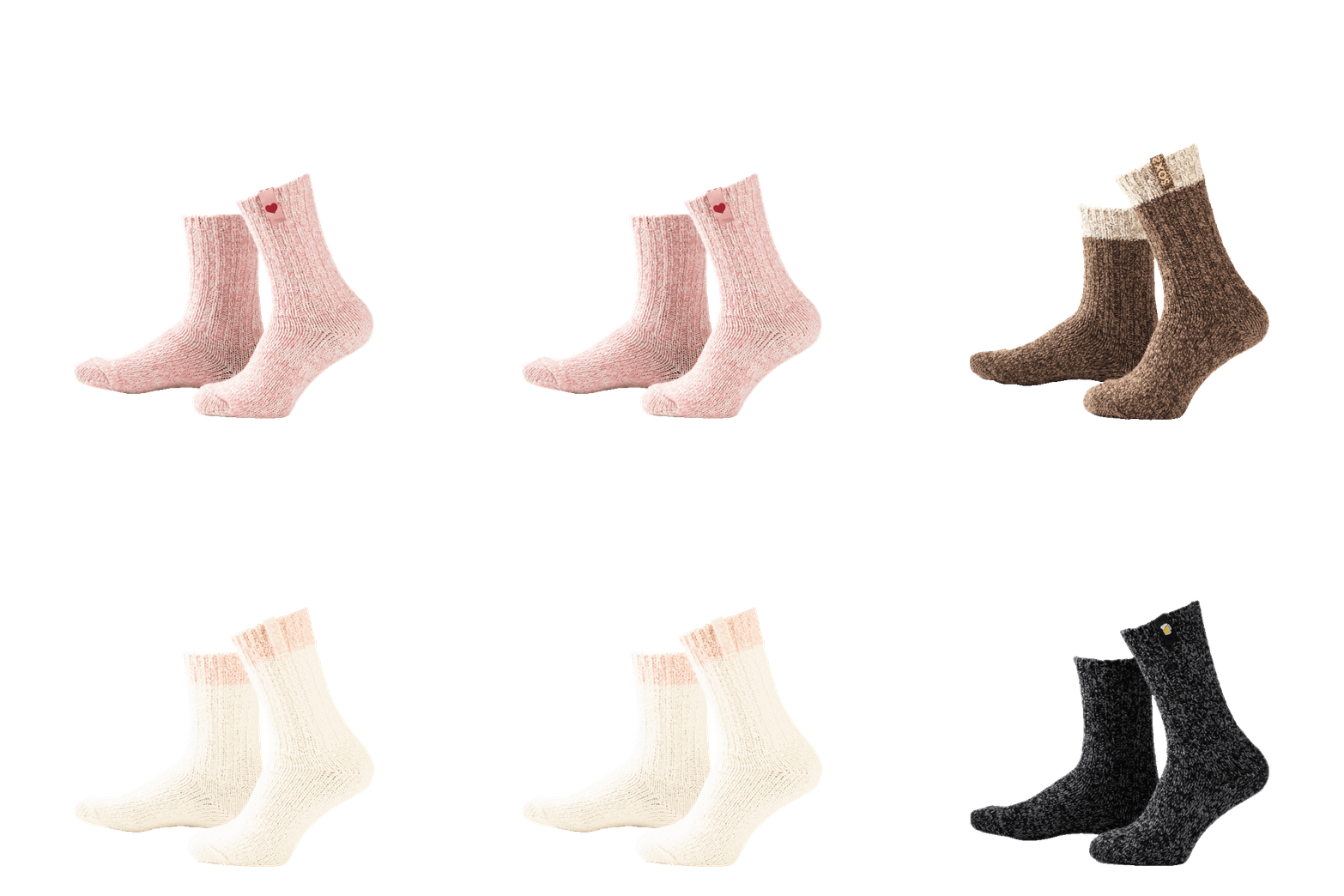
Soft warm premium wool socks
Gift ready, stylishly packaged
Orders placed before 1:00 PM will be shipped today (on weekdays) PLEASE NOTE: The delivery time of Pimp My Soxs is 5 working days!

Socks reduce friction and pressure points by creating a protective barrier between your skin and footwear while providing cushioning and moisture management. Quality sock materials like wool naturally wick moisture away from the skin, preventing the conditions that create blisters and hot spots. Proper sock construction with seamless toes, reinforced heels, and strategic padding distributes pressure evenly across your foot. Understanding how different sock features work together helps you choose the right pair for maximum comfort.
Friction occurs when your skin repeatedly rubs against your shoe’s interior surfaces, creating heat and irritation that can quickly develop into painful blisters. The combination of moisture, heat, and repetitive movement transforms minor rubbing into serious discomfort.
Your feet have several vulnerable areas where pressure points commonly develop. The heel area bears significant weight and experiences constant contact with your shoe’s back wall. Your toes, especially the big toe and little toe, often press against shoe walls while you walk. The arch area can develop pressure points when shoes don’t provide proper support or when your foot slides within the shoe.
Moisture plays a major role in friction development. When your feet sweat, the combination of dampness and movement creates ideal conditions for skin irritation. Heat buildup from poor ventilation makes the problem worse, as warm, moist skin becomes more susceptible to damage from rubbing.
Repetitive movement during walking, running, or standing amplifies these issues. Each step creates micro-movements between your foot and shoe. Without proper protection, these small movements accumulate into significant friction that damages your skin over time.
Sock materials provide different levels of friction reduction based on their fiber structure and moisture-handling properties. Wool stands out as particularly effective because its naturally crimped fibers trap air while wicking moisture away from the skin, keeping feet dry and reducing friction-causing conditions.
Merino wool offers exceptional moisture-wicking abilities, absorbing up to 30% of its weight in moisture without feeling damp. This natural fiber regulates temperature and prevents the hot, sweaty conditions that increase friction. The smooth surface of quality wool fibers glides against the skin rather than grabbing or pulling.
Synthetic blends often incorporate materials like polyamide to improve durability and create smoother surfaces. These materials can reduce friction through their slick texture, though they typically don’t manage moisture as effectively as natural fibers.
Cotton presents mixed results for friction reduction. While soft cotton feels comfortable initially, it retains moisture against your skin and can become rough when wet. This moisture retention actually increases friction over time, making cotton less ideal for active wear or long periods of use.
The fiber structure affects how materials interact with your skin. Smooth, fine fibers create less surface friction than coarse or rough materials. Quality sock construction ensures these beneficial materials maintain their friction-reducing properties even after repeated washing.
Strategic sock construction incorporates specific features designed to eliminate pressure points and distribute weight evenly across your foot. Cushioning zones, seamless construction, and targeted reinforcement work together to create a protective barrier that prevents concentrated pressure.
Cushioning zones place extra padding in high-impact areas like the heel and forefoot. This additional material absorbs shock and spreads pressure across a wider surface area, preventing concentrated force on vulnerable spots. The cushioning acts like a built-in shock absorber for your feet.
Seamless toe construction eliminates the bulky seam that typically runs across the toe area in standard socks. Traditional toe seams create pressure points and friction, especially in tight-fitting shoes. Seamless construction provides a smooth, irritation-free experience around your toes.
Heel reinforcement adds durability while providing structured support around your heel area. This reinforcement prevents the sock from bunching or sliding, which can create new pressure points. A well-constructed heel cup keeps your foot properly positioned within the sock.
Arch support features provide gentle compression and structure to support your foot’s natural arch. This support prevents your foot from sliding forward in your shoe, reducing pressure on your toes while providing stability through your midfoot area.
Sock fit directly impacts friction creation and pressure point development more than most people realize. Poorly fitted socks create bunching, sliding, and uneven pressure distribution that can turn comfortable shoes into sources of pain and irritation.
Correct sock size ensures the sock moves with your foot rather than against it. Socks that are too large bunch up inside your shoes, creating thick spots that cause pressure points. Oversized socks also slide around, generating friction as they move independently of your foot.
Socks that are too small stretch excessively, becoming thin and losing their protective qualities. They also create tight spots that restrict circulation and generate pressure points. The elastic becomes overstretched, causing the sock to lose its shape and slip down during wear.
Proper compression levels provide support without restriction. Well-fitted socks create gentle, even pressure that supports your foot structure while allowing normal circulation. The elastic cuff should hold the sock in place without creating a tight band around your leg.
Length matters significantly for comfort and protection. Socks should extend adequately above your shoe line to prevent rubbing between your leg and shoe. The heel should align with your actual heel, and the toe area should provide enough room without excess material that could bunch up.
When socks fit properly, they create an effective protective barrier between your foot and shoe. This barrier moves naturally with your foot, wicking moisture away while providing consistent cushioning and friction reduction throughout your day.
Understanding how socks reduce friction and pressure points helps you make better choices for foot comfort. Quality materials, thoughtful construction features, and proper fit work together to keep your feet comfortable whether you’re at home, exercising, or exploring the outdoors. SOXS provides the complete solution for friction and pressure point relief through advanced engineering and premium materials:
• Premium merino wool construction that naturally wicks moisture and prevents friction-causing conditions
• Seamless toe design that eliminates pressure points and irritation in tight-fitting shoes
• Strategic cushioning zones in heel and forefoot areas for maximum shock absorption
• Reinforced heel construction that prevents bunching and maintains proper foot positioning
• Precise sizing system that ensures optimal fit without restriction or sliding
• Durable synthetic blends that maintain friction-reducing properties wash after wash
Browse our shop to discover premium socks designed with advanced friction reduction and pressure point relief features that will transform your daily comfort experience.
Replace your socks every 6-12 months depending on usage frequency, or when you notice thinning fabric, lost elasticity, or holes developing. Worn-out socks lose their cushioning properties and moisture-wicking abilities, making them less effective at preventing friction and pressure points.
While sock layering can work for some activities, it’s not ideal for everyday wear as it can create bulk, reduce shoe fit, and potentially cause the layers to slide against each other. Invest in properly constructed socks with built-in cushioning zones for better long-term comfort and performance.
Wash wool socks in cool water with gentle detergent, avoid fabric softeners which can coat fibers, and air dry them away from direct heat. Turn them inside out before washing to protect the outer surface, and consider using a mesh laundry bag to prevent stretching during the wash cycle.
Look for red marks, hot spots, or areas of irritation on your feet after removing your shoes, especially around the heels, toes, and arch areas. If you notice your feet feeling unusually warm or damp, or if you develop blisters regularly, your socks likely aren’t providing adequate friction protection.
Different activities benefit from specific sock features – running socks need extra heel and forefoot cushioning, hiking socks require moisture-wicking and durability, while dress socks prioritize smooth materials and thin profiles. Having activity-specific socks ensures optimal comfort and protection for each situation.
First check your shoe fit, as poorly fitting footwear can override even the best socks’ protective benefits. Consider adding insoles for extra cushioning, ensure your socks are the correct size, and examine high-pressure areas to determine if you need socks with more targeted cushioning or arch support features.