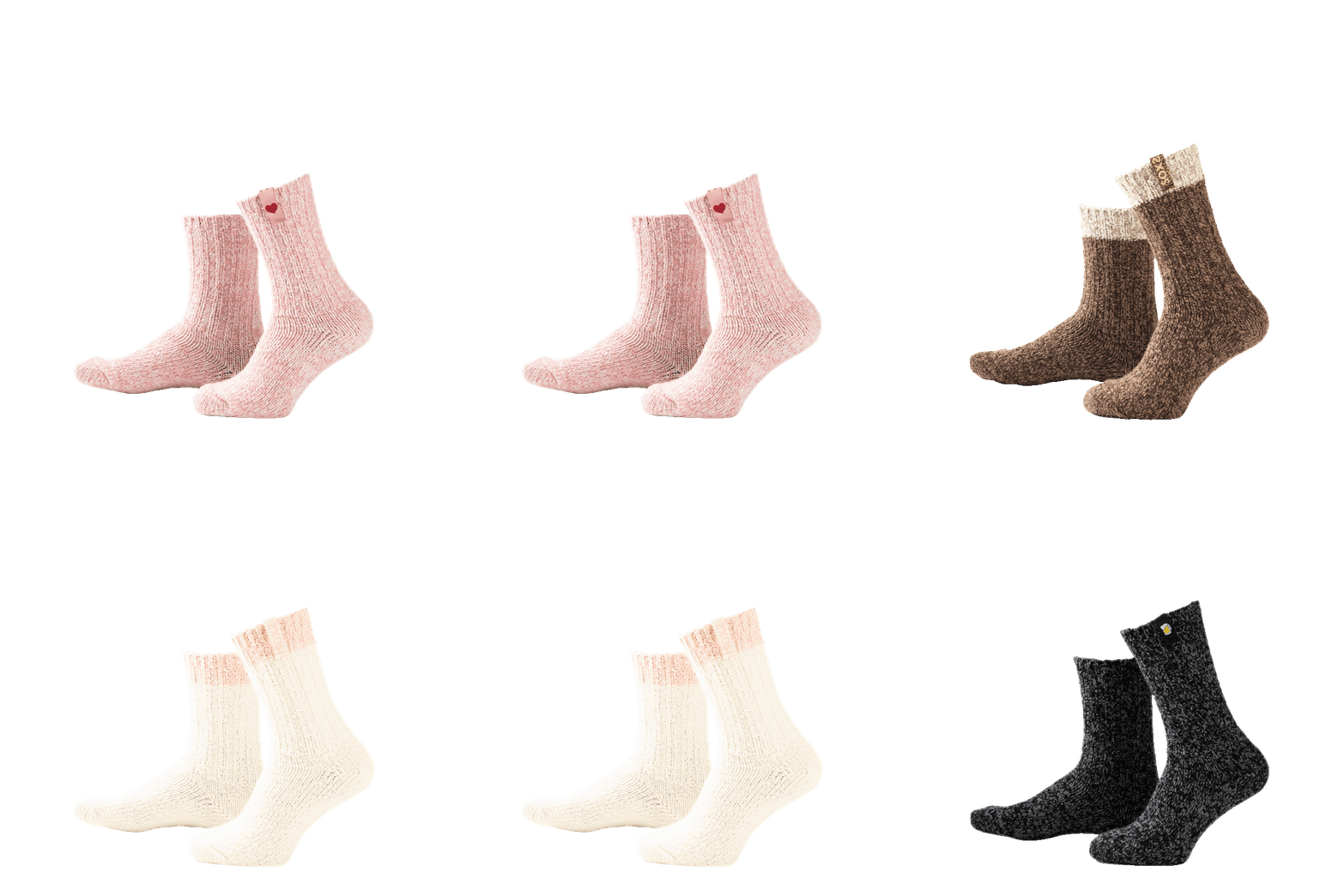

Soft warm premium wool socks
Gift ready, stylishly packaged
Orders placed before 1:00 PM will be shipped today (on weekdays) PLEASE NOTE: The delivery time of Pimp My Soxs is 5 working days!

Every time you slip on a pair of socks, you’re making a choice that ripples far beyond your wardrobe. The textile industry ranks as one of the world’s most resource-intensive sectors, and the materials we choose for our everyday essentials can dramatically impact our planet’s future. When it comes to wool vs cotton sustainability, the comparison reveals surprising truths that challenge common assumptions about eco-friendly clothing choices.
Understanding the environmental footprint of different fibres helps you make informed decisions that align with your values. Both wool and cotton have supported human civilisation for centuries, but their modern production methods tell vastly different stories about resource consumption, ecosystem impact, and long-term sustainability. Let’s explore why choosing sustainable wool over conventional cotton might be one of the most impactful decisions you can make for the environment.
Water scarcity affects billions of people worldwide, making the water footprint of our clothing choices more critical than ever. Cotton production demands enormous amounts of irrigation water, requiring approximately 2,700 litres to produce just one cotton T-shirt. This intensive water usage often occurs in already water-stressed regions, competing directly with local communities’ drinking water needs.
Wool production follows a fundamentally different approach. Sheep primarily graze on natural grasslands that rely on rainfall rather than irrigation systems. The wool environmental benefits become clear when you consider that sheep convert grass and natural vegetation into high-quality fibre without requiring additional water inputs beyond what nature provides. This rain-fed system reduces pressure on freshwater resources and eliminates the need for complex irrigation infrastructure.
The water efficiency of wool extends beyond just production. Merino wool’s natural properties mean wool garments require less frequent washing than cotton alternatives, further reducing their lifetime water consumption. This creates a compounding effect where the initial water savings during production multiply throughout the garment’s useful life.
Modern cotton farming often requires converting diverse ecosystems into monoculture plantations, eliminating native plant species and disrupting established wildlife habitats. These intensive agricultural systems typically rely heavily on pesticides and fertilisers, which can contaminate soil and waterways while reducing biodiversity in surrounding areas.
Well-managed sheep farming operates quite differently, supporting rather than replacing natural ecosystems. Sheep grazing can actually enhance grassland health by preventing overgrowth, promoting new plant growth, and maintaining the open landscapes that many native species require. The animals’ natural grazing patterns help distribute seeds and nutrients across the landscape, supporting plant diversity and soil health.
Sustainable wool production often takes place on marginal lands unsuitable for crop agriculture, meaning it doesn’t compete with food production and doesn’t require the conversion of forests or natural habitats. This approach allows wool farming to coexist with native wildlife and maintain the ecological services that healthy grasslands provide, including carbon storage and erosion control.
The end-of-life impact of our clothing choices reveals another crucial difference between wool and cotton sustainability. While both fibres are natural and biodegradable, the processing chemicals used in their production create vastly different environmental outcomes when garments eventually decompose.
Cotton processing typically involves numerous chemical treatments, including bleaching, dyeing, and finishing processes that can leave harmful residues in the final fabric. These chemicals don’t simply disappear when cotton garments break down and they can leach into soil and groundwater systems, potentially affecting plant growth and water quality for years after disposal.
Wool biodegradable properties shine in comparison. High-quality wool requires minimal chemical processing, especially when produced using traditional methods. When wool garments decompose, they release nitrogen and other nutrients that actually benefit soil health rather than contaminating it. The natural keratin protein structure breaks down completely within a few years, leaving no harmful residues behind and contributing to healthy soil ecosystems.
Durability might not seem like an environmental concern, but the lifespan of our clothing directly impacts resource consumption and waste generation. Fast fashion’s environmental problems stem partly from garments that wear out quickly, requiring frequent replacement and generating enormous amounts of textile waste.
Wool’s natural structure gives it remarkable resilience compared to cotton fibres. The crimped structure of wool fibres allows them to stretch and recover repeatedly without breaking, while cotton fibres tend to weaken and break down more quickly with regular wear and washing. This means wool garments maintain their shape, comfort, and appearance for significantly longer periods.
The longevity advantage of sustainable sock materials like merino wool becomes particularly apparent in frequently washed items. Cotton socks typically show signs of wear, thinning, and hole formation much sooner than their wool counterparts. When you choose wool products that last for years rather than months, you’re reducing the total number of items you need to purchase over time, which multiplies the environmental benefits of choosing more sustainable materials.
Climate change considerations make the wool carbon footprint comparison with cotton particularly relevant for environmentally conscious consumers. Cotton farming’s reliance on heavy machinery, irrigation systems, and synthetic fertilisers creates substantial carbon emissions throughout the production process. The energy-intensive processing required to transform raw cotton into finished textiles adds further to its environmental impact.
Sheep farming operates with a much lighter carbon footprint, particularly when practised using regenerative agriculture principles. Healthy grasslands managed through appropriate grazing can actually sequester carbon from the atmosphere, storing it in soil organic matter. This means well-managed wool production can potentially offset some of its own emissions while producing valuable fibre.
The transportation and processing requirements for wool also tend to be less energy-intensive than cotton. Wool’s natural properties mean it requires fewer chemical treatments and processing steps to become comfortable, durable fabric. This streamlined production process reduces energy consumption and associated carbon emissions throughout the supply chain.
The renewable nature of wool production creates a sustainable cycle that cotton farming cannot match. Each sheep produces a new fleece annually through natural growth processes, providing a consistent supply of high-quality fibre without depleting natural resources. This renewable system can continue indefinitely when managed properly, supporting both environmental health and economic stability for farming communities.
Cotton production follows a different model, requiring replanting, soil preparation, and intensive resource inputs for each harvest cycle. The annual demands on soil fertility, water resources, and energy inputs create cumulative environmental pressures that intensify over time. Many cotton-growing regions now face soil depletion, water shortages, and reduced productivity due to these intensive practices.
The efficiency of wool as a renewable resource becomes even more impressive when you consider the quality and versatility of the final product. A single fleece can produce multiple garments that will last for years, while cotton crops must be replanted and reharvested repeatedly to produce equivalent amounts of usable fibre. This efficiency makes wool an increasingly attractive option for eco-conscious clothing choices.
Understanding the environmental impact of our clothing choices empowers us to make decisions that align with our values while supporting more sustainable industry practices. The comparison between wool and cotton reveals that natural fibre sustainability isn’t just about choosing natural over synthetic and it’s about understanding the complete environmental story behind our everyday essentials.
Your individual choices create ripple effects throughout the textile industry. When you choose high-quality wool products over fast-fashion cotton alternatives, you’re supporting farming practices that work with natural ecosystems rather than against them. You’re also investing in garments that will serve you well for years, reducing your overall consumption and environmental impact.
At SOXS, we bridge the gap between environmental responsibility and everyday comfort by offering premium merino wool socks that embody all the sustainability benefits discussed above. Our commitment to ethically sourced materials means you can make environmentally conscious choices without compromising on quality or comfort. Here’s how SOXS supports your sustainable lifestyle:
When you explore our shop, you’ll discover how premium wool products can transform your daily comfort while supporting environmental sustainability. Make the switch to sustainable socks today and experience the difference that ethically produced, long-lasting merino wool can make for both your feet and the planet.
What small change in your wardrobe choices could make the biggest difference for environmental sustainability?
Look for certifications like Responsible Wool Standard (RWS), GOTS (Global Organic Textile Standard), or ZQ Merino which verify ethical animal treatment and environmental practices. Check if the brand provides transparency about their supply chain, farming practices, and processing methods. Sustainably produced wool should come from farms that practice regenerative grazing and avoid mulesing.
Quality wool products typically have a higher upfront cost than cotton alternatives, but the investment pays off through durability and longevity. A wool garment that lasts 5-10 years versus a cotton item lasting 1-2 years makes wool more cost-effective long-term. The environmental benefits—reduced water usage, carbon sequestration, and biodegradability—add significant value that justifies the premium.
Modern merino wool is much softer and less irritating than traditional wool, with finer fibres that don’t trigger most sensitivities. For those still sensitive to wool, consider organic cotton as a compromise—it uses fewer chemicals than conventional cotton. Alternatively, look for wool blends or seek out the finest grade merino wool (18.5 microns or finer) which is typically well-tolerated.
Wash wool items less frequently—wool’s natural antimicrobial properties mean it stays fresh longer than cotton. Use cold water, wool-specific detergents, and air-dry to preserve the fibres and reduce energy consumption. Store properly with cedar or lavender to prevent moth damage. Proper care can extend wool garment life to decades, maximizing the environmental investment.
Some wool production involves practices like mulesing (surgical removal of skin to prevent flystrike) which raises animal welfare concerns. Overgrazing can damage ecosystems if not properly managed. However, these issues are addressed by choosing certified sustainable wool from farms practicing ethical animal husbandry and regenerative grazing methods.
Absolutely! Socks and undergarments are frequently washed items where wool’s benefits shine most—they last longer, need less washing, and provide better comfort. Starting with these everyday essentials is an excellent entry point that demonstrates wool’s advantages while making a meaningful environmental impact. These items also offer the best cost-per-wear value for premium wool products.