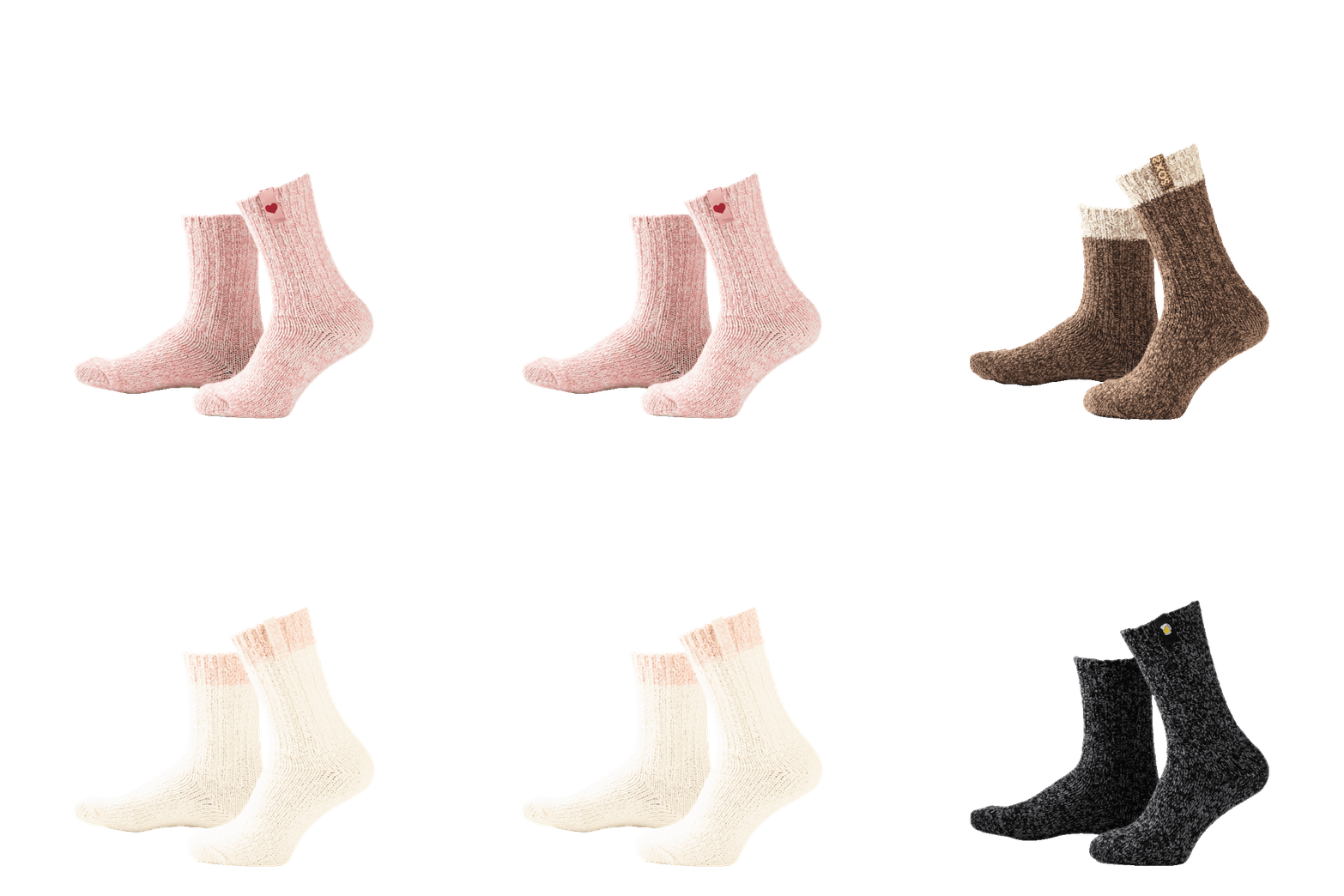
Soft warm premium wool socks
Gift ready, stylishly packaged
Orders placed before 1:00 PM will be shipped today (on weekdays) PLEASE NOTE: The delivery time of Pimp My Soxs is 5 working days!

When you think about staying healthy, you probably focus on diet, exercise, and sleep. But have you ever considered how your clothing choices affect your immune system? The materials that touch your skin all day long play a surprisingly important role in supporting your body’s natural defenses.
Your immune system works around the clock to protect you from harmful bacteria, viruses, and other threats. What many people don’t realize is that your clothing creates a microenvironment around your body that can either support or hinder this vital work. Natural fibers like wool offer unique properties that synthetic materials simply can’t match when it comes to wool immunity benefits.
From temperature regulation to antimicrobial protection, wool provides your immune system with the optimal conditions it needs to function at its best. Let’s explore how this remarkable natural fiber becomes your body’s ally in maintaining good health.
Your immune system doesn’t operate in isolation. It responds to everything happening in and around your body, including the temperature, moisture levels, and comfort of your immediate environment. When your body struggles to maintain optimal conditions, it creates stress that diverts energy away from immune function.
Clothing materials directly impact these crucial factors. Synthetic fibers often trap heat and moisture, creating breeding grounds for bacteria while forcing your body to work harder to regulate temperature. This constant adjustment puts unnecessary strain on your system, leaving fewer resources available for fighting off genuine threats.
Natural fibers, particularly wool, work with your body’s natural processes rather than against them. They create a stable, comfortable microclimate that allows your immune system to focus on its primary job: keeping you healthy. This partnership between natural materials and your body’s defense mechanisms forms the foundation of natural fiber immunity support.
Temperature regulation is one of your immune system’s most energy-intensive tasks. When your body temperature fluctuates dramatically, your immune system must work overtime to maintain stability, leaving it vulnerable to other threats.
Wool’s unique crimp structure creates thousands of tiny air pockets that act as natural insulation. These air pockets trap warm air when it’s cold and allow excess heat to escape when it’s warm. Unlike synthetic materials that either overheat you or leave you cold, wool adapts to your body’s changing needs throughout the day.
This wool temperature regulation capability means your immune system can maintain its focus on protection rather than constantly adjusting to temperature changes. Merino wool, in particular, excels at this balancing act, keeping your body in the optimal temperature range for immune function without the energy drain of constant thermal adjustment.
Moisture management plays a crucial role in immune health. When moisture builds up against your skin, it creates the perfect environment for harmful bacteria and fungi to multiply. Your skin serves as your first line of immune defense, and keeping it healthy and dry is essential.
Wool fibers have a remarkable ability to absorb moisture vapor from your skin and transport it away from your body. A single wool fiber can absorb up to 30% of its weight in moisture without feeling wet or clammy. This wool moisture wicking property keeps your skin barrier functioning optimally.
The moisture-wicking process happens continuously and automatically. As your body produces moisture throughout the day, wool fibers capture it and move it to the outer surface where it can evaporate safely. This constant moisture management reduces the bacterial load your immune system must handle, allowing it to focus on more serious threats.
One of wool’s most impressive immune-supporting features is its natural antimicrobial properties. Wool contains lanolin, a waxy substance that naturally inhibits bacterial and fungal growth. This isn’t a chemical treatment added during manufacturing – it’s an inherent property of the fiber itself.
The structure of wool fibers also contributes to their antimicrobial effectiveness. The scales on each fiber create an environment that’s hostile to many harmful microorganisms. This means fewer pathogens in your immediate environment and less work for your immune system.
Research shows that wool antimicrobial properties remain effective even after repeated washing and wear. Unlike synthetic materials that can harbor bacteria and develop persistent odors, wool actively works against microbial growth, creating a cleaner, healthier environment for your skin and reducing the pathogen load your immune system encounters daily.
Quality sleep is when your immune system does its most important repair and regeneration work. During deep sleep, your body produces infection-fighting cells and antibodies while clearing toxins from your system. Poor sleep quality directly compromises immune function.
Wool’s temperature and moisture regulation properties create ideal conditions for restorative sleep. By maintaining a comfortable microclimate around your body, wool prevents the temperature fluctuations and moisture buildup that can disrupt sleep cycles.
Many people find that wool sleepwear helps them fall asleep faster and stay asleep longer. The natural comfort and temperature stability reduce the tosses and turns that interrupt deep sleep phases. When your immune system gets the uninterrupted sleep time it needs for repair and regeneration, you wake up with stronger natural defenses ready to face the day’s challenges.
Your skin is your body’s largest organ and your first line of immune defense. When skin becomes irritated, cracked, or damaged, it creates entry points for harmful bacteria and viruses. Maintaining healthy skin integrity is crucial for immune function.
High-quality wool, particularly merino wool, has a smooth fiber structure that doesn’t irritate sensitive skin. The natural elasticity of wool fibers allows them to move with your body without creating friction or pressure points that can lead to irritation.
Wool’s pH level is also naturally close to that of human skin, making it less likely to cause allergic reactions or sensitivity issues. By supporting healthy skin barrier function, wool helps your immune system maintain its first and most important line of defense against external threats.
The difference between wool and synthetic fibers becomes clear when you understand how each material interacts with your body’s natural processes. Synthetic materials are designed primarily for durability and cost-effectiveness, not biological compatibility.
Synthetic fibers often trap heat and moisture, creating uncomfortable microclimates that stress your immune system. They also lack the natural antimicrobial properties of wool, meaning they can harbor bacteria and require frequent washing with harsh chemicals to stay fresh.
Wool, on the other hand, evolved over millions of years to protect animals in harsh environments. Its natural wool properties include breathability, moisture management, temperature regulation, and antimicrobial action, all working together to create optimal conditions for health. This biological compatibility makes wool a natural partner for your immune system rather than an additional stressor.
Physical discomfort creates stress, and stress directly suppresses immune function. When your clothing is too hot, too cold, itchy, or restrictive, your body produces stress hormones like cortisol that interfere with immune system effectiveness.
Wool’s natural comfort properties help reduce this physical stress. The soft texture, temperature regulation, and moisture management work together to create a feeling of physical well-being that supports overall health.
Comfort isn’t just about feeling good – it’s about creating conditions where your immune system can function optimally. When you’re physically comfortable, your body can dedicate more energy to immune surveillance and protection rather than constantly adjusting to uncomfortable conditions.
Odor in clothing typically indicates bacterial growth, which means more pathogens in your immediate environment. Your immune system must constantly work to manage these bacteria, using energy that could be directed toward other protective functions.
Wool’s natural odor resistance comes from its antimicrobial properties and moisture-wicking ability. By preventing bacterial growth and moving moisture away from your body, wool stays fresher longer and requires less frequent washing than synthetic materials.
These wool wellness benefits extend beyond personal comfort. Fewer bacteria in your clothing mean fewer pathogens for your immune system to handle throughout the day. The result is a cleaner, healthier microenvironment that supports optimal immune function while reducing the overall bacterial load your body encounters.
Your immune system needs consistent support whether you’re resting, working, or exercising. Wool’s adaptive properties make it uniquely suited to support immune function across different activity levels and environmental conditions.
During low activity, wool provides gentle insulation and moisture management. As your activity level increases, wool automatically adjusts its insulation properties and increases moisture transport to keep you comfortable. This adaptive response means your immune system doesn’t face the stress of dramatic environmental changes.
Merino wool immunity support remains consistent regardless of what you’re doing. Whether you’re sleeping, working at a desk, or taking a brisk walk, wool maintains the stable conditions your immune system needs to function effectively.
Immune system support isn’t a one-time need – it’s an ongoing requirement. Wool’s natural durability means it maintains its beneficial properties over time, providing consistent immune support throughout the garment’s life.
Unlike synthetic materials that can degrade and lose their properties with washing and wear, quality wool actually improves with proper care. The natural resilience of wool fibers means they continue to provide temperature regulation, moisture management, and antimicrobial protection even after years of use.
This long-term consistency is crucial for wool health benefits. Your immune system benefits from stable, predictable support rather than fluctuating conditions. Wool’s durability ensures that the immune-supporting microenvironment remains constant, providing your body with reliable conditions for optimal health.
Supporting your immune system doesn’t require dramatic lifestyle changes – sometimes the most effective improvements are the simplest ones. Choosing natural wool products creates a foundation of immune support that works silently and consistently throughout your day.
The key is understanding that immune health is about creating optimal conditions for your body’s natural defense systems. Wool provides temperature regulation, moisture management, antimicrobial protection, and comfort – all the environmental factors your immune system needs to function at its best.
Start small with wool socks or base layers, and notice how your body responds to the improved comfort and temperature regulation. Many people find that once they experience the difference natural wool makes, they naturally want to incorporate more wool products into their daily routine.
SOXS provides the perfect entry point into experiencing wool’s immune-supporting benefits through our premium merino wool socks. Our carefully crafted socks deliver all the immune system advantages discussed in this article in one essential garment that you wear every day. Here’s how SOXS supports your immune health:
Ready to give your immune system the natural support it deserves? Visit our shop to discover our full range of merino wool socks and start experiencing the difference that quality natural fibers can make for your daily wellness routine.
Most people notice improved comfort and temperature regulation within the first few days of wearing quality wool garments. However, immune system benefits develop gradually over weeks as your body experiences less stress from temperature fluctuations and moisture buildup. The most noticeable early changes are often better sleep quality and reduced skin irritation, which directly support immune function.
Many people who think they’re allergic to wool are actually reacting to coarse, low-quality wool or chemical treatments. High-quality merino wool has much finer fibers (often finer than cotton) and is naturally hypoallergenic. Start with merino wool base layers or socks to test your tolerance, and always choose products from reputable sources that use minimal chemical processing.
While wool garments have a higher upfront cost, they typically last much longer than synthetic alternatives while maintaining their beneficial properties. The immune support benefits, natural odor resistance, and durability often make wool more cost-effective over time. Consider starting with key pieces like base layers or socks where you’ll notice the most significant difference.
Wool’s natural antimicrobial properties mean it needs washing less frequently than synthetic materials. When you do wash wool, use cold water, gentle wool-specific detergents, and avoid fabric softeners which can coat the fibers. Air dry whenever possible, as heat can damage wool’s natural structure and reduce its beneficial properties.
Merino wool offers superior immune support benefits due to its finer fiber diameter and enhanced moisture-wicking properties. It’s less likely to cause skin irritation, provides better temperature regulation, and has stronger antimicrobial properties than regular wool. Merino wool is also more comfortable against sensitive skin, making it ideal for base layers and everyday wear.
While wool doesn’t directly prevent illness, it creates optimal conditions for your immune system to function effectively. By reducing stress from temperature fluctuations, keeping skin dry and healthy, and minimizing bacterial growth in your immediate environment, wool allows your natural defenses to work at peak efficiency. This enhanced immune function may help your body better resist infections and recover more quickly when exposed to pathogens.
Start with base layers (underwear, undershirts, or thermal layers) and socks, as these have the most direct contact with your skin and greatest impact on your body’s microclimate. Wool sleepwear is also highly beneficial since immune system repair happens primarily during sleep. These foundational pieces provide the most significant immune support benefits before expanding to outer garments.