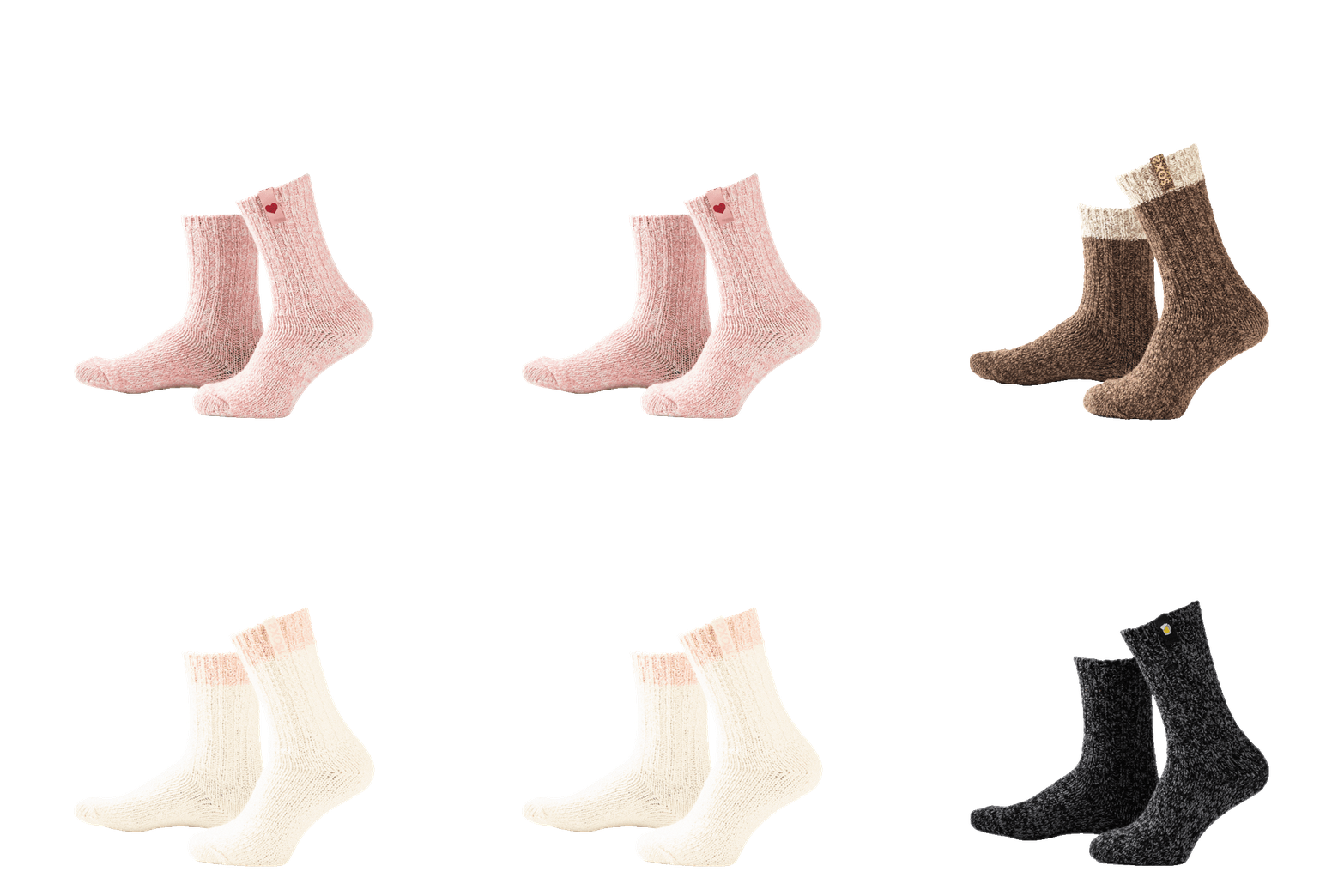
Soft warm premium wool socks
Gift ready, stylishly packaged
Orders placed before 1:00 PM will be shipped today (on weekdays) PLEASE NOTE: The delivery time of Pimp My Soxs is 5 working days!

When arthritis pain flares up, you might not think to look down at your feet for relief. Yet the connection between foot warmth, circulation, and joint comfort runs deeper than most people realise. Your feet contain over 100 muscles, tendons, and ligaments that work together with your circulatory system to support your entire body. When these extremities stay warm and properly cushioned, the benefits ripple upward through your joints.
Wool socks offer a natural, gentle approach to managing arthritis discomfort through multiple mechanisms. Unlike synthetic materials that trap moisture and create temperature fluctuations, wool provides consistent warmth while allowing your skin to breathe. This simple change in your daily routine can make a meaningful difference in how your joints feel throughout the day.
Morning stiffness is one of the most challenging aspects of living with arthritis. Your joints feel locked up, movement seems impossible, and that first step out of bed can be genuinely painful. Wool’s natural insulating properties work differently from synthetic materials – the crimped fibre structure traps air pockets that create consistent, gentle warmth around your feet.
This warmth-therapy effect isn’t just about comfort. When your feet stay warm, blood vessels remain dilated, promoting better circulation to your lower extremities. Merino wool can maintain its insulating properties even when it absorbs up to 30% of its weight in moisture, meaning your feet stay warm without feeling clammy or overheated.
The temperature regulation that wool provides helps prepare your joints for movement. Rather than shocking cold, stiff joints with sudden activity, the gentle warmth from quality wool socks creates a more gradual transition from rest to movement. Many people find their morning routine becomes less daunting when their feet aren’t starting the day cold and uncomfortable.
Skin problems might seem separate from joint pain, but when you’re dealing with arthritis, every source of discomfort compounds the challenge. Synthetic sock materials often trap moisture against your skin, creating the perfect environment for fungal infections, blisters, and general irritation that can make walking more painful.
Wool’s natural moisture management works through its unique fibre structure. The material actively wicks perspiration away from your skin while remaining breathable. This prevents the damp, stuffy environment where bacteria and fungi thrive. When your feet stay dry and healthy, you’re not dealing with additional sources of pain or discomfort that could affect your gait or mobility.
Healthy, dry feet also mean you’re less likely to develop pressure sores or skin breakdown from ill-fitting shoes. When arthritis affects your foot joints, even minor skin irritations can become significant problems. The antimicrobial properties naturally found in quality wool help maintain a healthier environment for your feet throughout the day.
Properly fitted wool socks provide mild, consistent compression that supports healthy blood flow without restricting circulation. This is particularly important for people with arthritis, as inflammation can interfere with normal blood flow to affected joints.
The natural elasticity of wool, especially when blended with a small amount of synthetic fibres for durability, creates gentle compression that doesn’t cut off circulation the way tight synthetic socks might. This subtle pressure helps encourage blood flow back toward your heart while supporting the muscles and tissues in your feet and lower legs.
Better circulation means more oxygen and nutrients reach your joints, while waste products that contribute to inflammation are carried away more efficiently. The compression from well-fitted wool socks also provides proprioceptive feedback, helping your brain better understand where your feet are positioned, which can improve balance and reduce the risk of falls.
Every step you take sends impact forces up through your feet, ankles, knees, and beyond. When arthritis has made your joints sensitive, this repeated impact throughout the day can contribute to pain and stiffness. Thick wool socks act as a natural shock absorber, reducing the jarring impact that travels through your skeletal system.
Wool’s natural padding properties come from its three-dimensional crimp structure. Unlike flat synthetic fibres, wool fibres have a natural wave that creates springiness and resilience. This means the material bounces back after compression, providing consistent cushioning step after step.
The cushioning effect is particularly beneficial for people with arthritis in their feet, ankles, or knees. By reducing the impact forces that travel up your leg with each step, quality wool socks can help minimise the cumulative stress on sensitive joints throughout your day. This is especially noticeable during longer periods of walking or standing.
When you’re managing arthritis pain, the material touching your skin for 12–16 hours a day matters more than you might think. Synthetic sock materials often create temperature swings – too hot when you’re active, too cold when you’re resting. This constant adjustment can be particularly uncomfortable when your joints are already sensitive to temperature changes.
Wool’s temperature regulation works automatically. The natural crimp in wool fibres creates air pockets that insulate when you’re cold, while the breathable structure allows excess heat and moisture to escape when you’re warm. Merino wool, in particular, has finer fibres that feel soft against sensitive skin without the scratchiness associated with traditional wool.
Synthetic materials also tend to retain odours and lose their shape more quickly. Quality wool socks maintain their cushioning and fit longer, meaning you get consistent support for your feet and joints. The natural antimicrobial properties of wool mean less bacterial growth, which is particularly important if arthritis medications affect your immune system or healing ability.
Managing arthritis pain often feels like an overwhelming challenge, but sometimes the most effective solutions are surprisingly simple. Switching to quality wool socks addresses multiple comfort factors simultaneously – warmth, moisture management, gentle compression, cushioning, and temperature regulation.
The beauty of this approach lies in its simplicity. You’re not adding another medication, treatment, or complicated routine to your day. You’re simply choosing a better material for something you wear every day anyway. The cumulative effect of having consistently warm, dry, cushioned feet can make a noticeable difference in your overall comfort and mobility.
SOXS provides the comprehensive solution for arthritis-related foot discomfort through our premium wool sock collection. Our approach addresses all the key factors that contribute to joint pain relief:
• Superior merino wool construction that delivers consistent warmth therapy and moisture management
• Engineered cushioning zones that absorb impact and reduce stress on sensitive joints
• Gentle compression design that promotes healthy circulation without restricting blood flow
• Antimicrobial properties that maintain foot health and prevent additional sources of discomfort
• Durable construction that maintains therapeutic benefits wash after wash
At SOXS, we understand that comfort isn’t just about luxury – it’s about supporting your daily quality of life. Our ethically sourced wool socks are designed with the understanding that small changes in your daily routine can create meaningful improvements in how you feel. When you’re ready to experience the difference that quality wool can make, explore our complete collection and discover how the right pair of socks can support your journey toward better joint comfort. Your joints will thank you for the investment in your comfort.
Most people begin to notice the benefits within the first few days of consistent wear, particularly with morning stiffness and overall foot comfort. The warmth and circulation improvements are often felt immediately, while the cumulative effects on joint pain may become more apparent after 1-2 weeks of regular use.
Yes, but choose wool socks without tight elastic bands and ensure they fit properly without bunching or creating pressure points. The moisture-wicking and antimicrobial properties of wool are actually beneficial for diabetic foot health. However, always consult your healthcare provider about appropriate footwear choices for your specific condition.
Wash wool socks in cool water with wool-specific detergent and air dry them to preserve their natural properties. Avoid fabric softeners as they can reduce wool's moisture-wicking ability. Proper care maintains the cushioning, elasticity, and antimicrobial properties that provide arthritis relief.
Wearing lightweight wool socks to bed can help maintain circulation and warmth overnight, potentially reducing morning stiffness. Choose thinner wool socks specifically designed for sleep to avoid overheating. The consistent warmth can help keep joints more flexible and reduce that initial morning pain.
Merino wool is often the best choice due to its fine fibres that feel soft against sensitive skin while providing excellent temperature regulation. Look for wool blends with 10-15% synthetic fibres for added durability and stretch, which helps maintain the gentle compression benefits over time.
Try superfine merino wool first, as many people who think they're allergic to wool are actually reacting to the coarser fibres in traditional wool. If you have a true wool allergy, look for high-quality bamboo or silk socks, which offer some similar moisture-wicking and temperature regulation properties, though not quite as effective as wool.
Properly fitted wool socks should feel snug but not tight, with no bunching or sliding. You shouldn't see sock marks on your legs after wearing them, and your feet shouldn't feel numb or tingly. The compression should feel supportive and comfortable, like a gentle hug around your feet and lower legs.