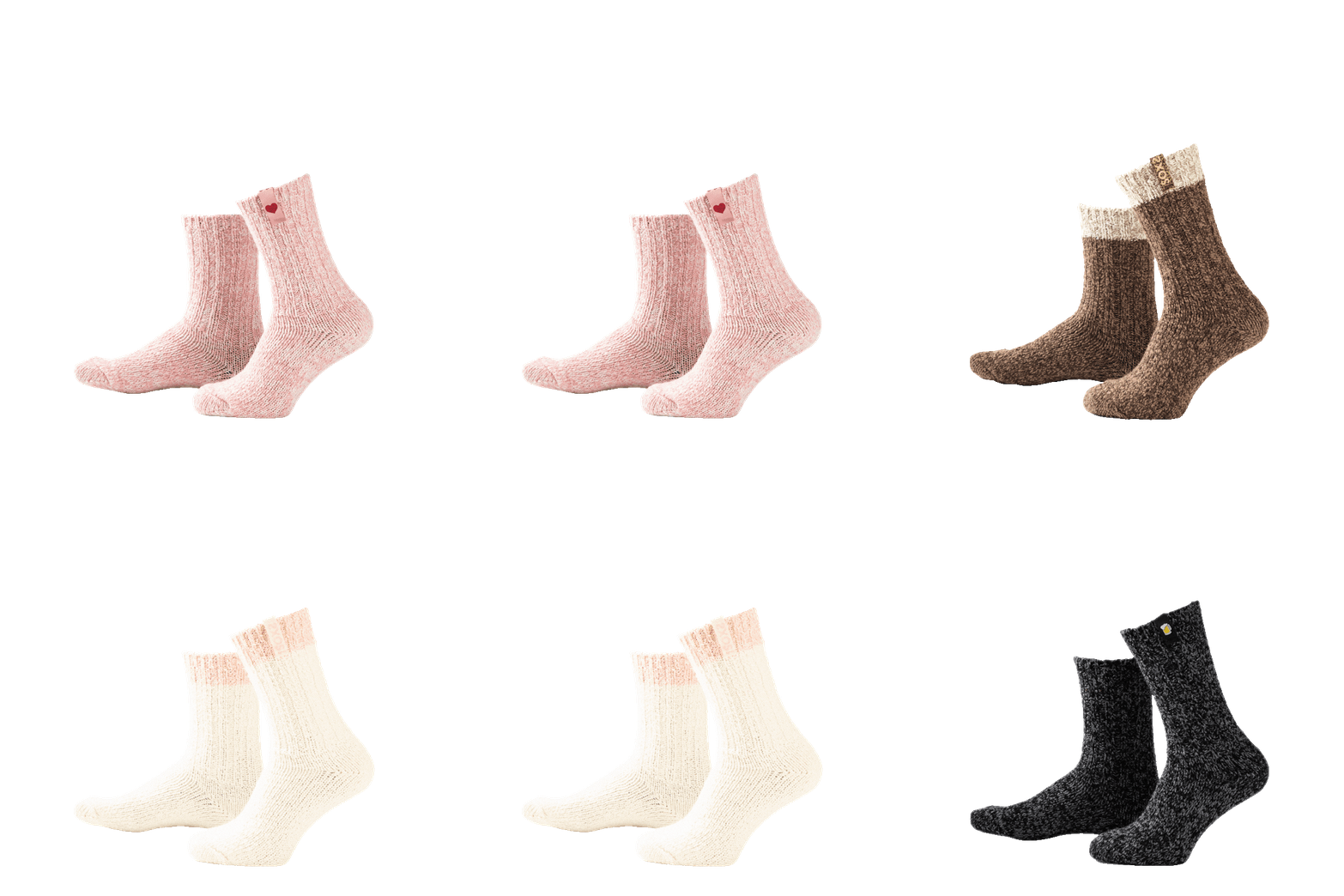
Soft warm premium wool socks
Gift ready, stylishly packaged
Orders placed before 1:00 PM will be shipped today (on weekdays) PLEASE NOTE: The delivery time of Pimp My Soxs is 5 working days!

When you’re dealing with a wound on your foot or lower leg, every choice you make can impact how quickly you heal. Most people focus on proper cleaning and bandaging, but there’s one crucial element that often gets overlooked: your sock choice. The environment around your wound plays a vital role in recovery, and the right socks can create optimal conditions for faster healing while protecting vulnerable areas from further damage.
Your feet spend most of the day enclosed in shoes, creating a unique microenvironment that can either support or hinder wound recovery. Poor sock choices can trap moisture, restrict circulation, and create friction that delays healing or leads to complications. Understanding how proper socks support wound healing helps you make informed decisions that speed up your recovery process.
Moisture management is one of the most important factors in wound healing. When wounds remain in damp environments, they become breeding grounds for harmful bacteria that can cause infections and significantly delay recovery. Moisture-wicking materials actively draw perspiration away from your skin, keeping the wound area dry and creating conditions that promote faster healing.
Natural fibres like merino wool excel at moisture management because they can absorb up to 30% of their weight in moisture without feeling damp against your skin. This remarkable property means your feet stay dry and comfortable even during extended periods of wear. Unlike some synthetic materials that can trap moisture against your skin, wool naturally regulates humidity levels around wound sites.
Breathable fabrics also play a crucial role in how quickly wounds recover. When air can circulate freely around your feet, it helps maintain the optimal moisture balance that wounds need to heal efficiently. This improved air circulation prevents the build-up of harmful bacteria while allowing beneficial oxygen to reach the healing tissue.
Proper blood flow is essential for wound healing because it delivers oxygen and vital nutrients directly to damaged tissue. The benefits of compression socks for healing come from graduated pressure that gently supports blood flow without restricting circulation. When socks fit properly, they encourage healthy circulation that accelerates the healing process.
Socks that are too tight can constrict blood vessels, reducing the flow of healing nutrients to wound sites. This restriction can significantly slow recovery and may even cause additional complications. Conversely, socks with gentle, graduated compression can actually enhance circulation by providing support to blood vessels in your feet and lower legs.
The improved circulation from properly fitting socks helps deliver white blood cells to fight infection, nutrients to rebuild damaged tissue, and oxygen to support cellular repair. This enhanced blood flow creates an environment where wounds can heal more efficiently and thoroughly.
Protecting vulnerable wound areas from additional trauma is crucial for uninterrupted healing. Padded socks create a protective barrier that shields wounds from friction, pressure, and impact that could delay recovery or cause complications. This cushioning effect is particularly important for people with diabetic foot care needs, where even minor injuries can become serious problems.
The soft cushioning in quality socks helps distribute pressure evenly across your foot, reducing stress on healing wounds. This protection is especially valuable when walking or standing for extended periods, as it prevents the repetitive friction that can reopen wounds or cause new injuries.
Beyond physical protection, cushioned socks provide comfort that allows you to maintain normal activities while healing. This comfort factor is important because staying active within medical guidelines often supports better circulation and faster overall recovery.
Maintaining the right temperature around wound sites is crucial for optimal healing conditions. Natural wool fibres excel at temperature regulation because their unique structure traps air and creates insulation that adapts to your body’s needs. This natural thermostat effect helps prevent both overheating and excessive cooling that can slow tissue repair.
When wounds become too warm, it can slow the healing process and increase the risk of bacterial growth. Conversely, cold temperatures can reduce blood flow and delay cellular repair. Healing socks made from temperature-regulating materials help maintain the ideal thermal environment for consistent wound recovery.
The temperature-regulating properties of quality wool socks work by responding to your body’s changing needs throughout the day. When your feet warm up, the fibres help release excess heat. When temperatures drop, the natural insulation properties keep your feet comfortably warm without overheating.
Understanding these four ways that socks support wound healing empowers you to make choices that accelerate your recovery. When selecting socks for healing, prioritise moisture-wicking materials, proper fit for circulation support, adequate cushioning for protection, and temperature-regulating fibres for optimal healing conditions.
Look for socks made from natural fibres like merino wool that offer superior moisture management and temperature regulation. Ensure they fit properly without being too tight or too loose, and choose options with appropriate cushioning for your specific needs. Remember that investing in high-quality, healing-supportive socks is an investment in your recovery and overall foot health.
SOXS provides the ideal solution for anyone needing optimal wound healing conditions through our expertly crafted merino wool socks. Our therapeutic sock collection addresses all the critical factors for accelerated healing:
• Superior moisture-wicking merino wool that keeps wounds dry and prevents bacterial growth
• Graduated compression design that enhances circulation without restricting blood flow
• Strategic cushioning that protects vulnerable areas from friction and pressure
• Natural temperature regulation that maintains optimal healing environments
• Seamless construction that eliminates irritation around sensitive wound sites
Don’t let poor sock choices slow down your recovery. Explore our complete range of therapeutic socks today and give your wounds the healing environment they deserve.
Change your socks at least once daily, or more frequently if they become damp from perspiration or wound drainage. Keep your feet clean and dry by changing socks immediately if they become wet, and consider having multiple pairs of quality healing socks so you always have a clean, dry pair available.
Always consult your healthcare provider before wearing compression socks with diabetic wounds. While gentle compression can improve circulation, diabetic patients may have reduced sensation and circulation issues that require medical supervision. Your doctor can recommend the appropriate compression level and monitor your healing progress.
Never forcibly remove a sock that’s stuck to a wound. Gently soak the area with warm saline solution or clean water to soften any dried drainage, then carefully peel the sock away. If this happens frequently, consult your healthcare provider about using a non-adherent wound dressing under your sock.
Avoid socks with rough seams, synthetic materials that trap moisture, tight elastic bands, or decorative elements that could create pressure points. Stay away from cotton socks as they retain moisture, and avoid socks that are too loose as they can bunch up and cause friction against healing tissue.
Signs of overly tight socks include visible sock marks on your skin, numbness or tingling in your feet, swelling above the sock line, or changes in skin color. Your socks should feel snug but comfortable, without leaving deep indentations. If you notice any of these symptoms, switch to a larger size immediately.
Use gentle, fragrance-free detergent and avoid fabric softeners which can reduce moisture-wicking properties. Wash in cool to warm water and air dry when possible to maintain the sock’s therapeutic properties. For merino wool socks, use wool-specific detergent to preserve the natural fibres’ healing benefits.
Consider switching to healing socks immediately when you have any open wound, cut, or injury on your foot or lower leg. Also upgrade if you have diabetes, circulation issues, or spend long periods on your feet. The sooner you create optimal healing conditions, the better your recovery outcomes will be.