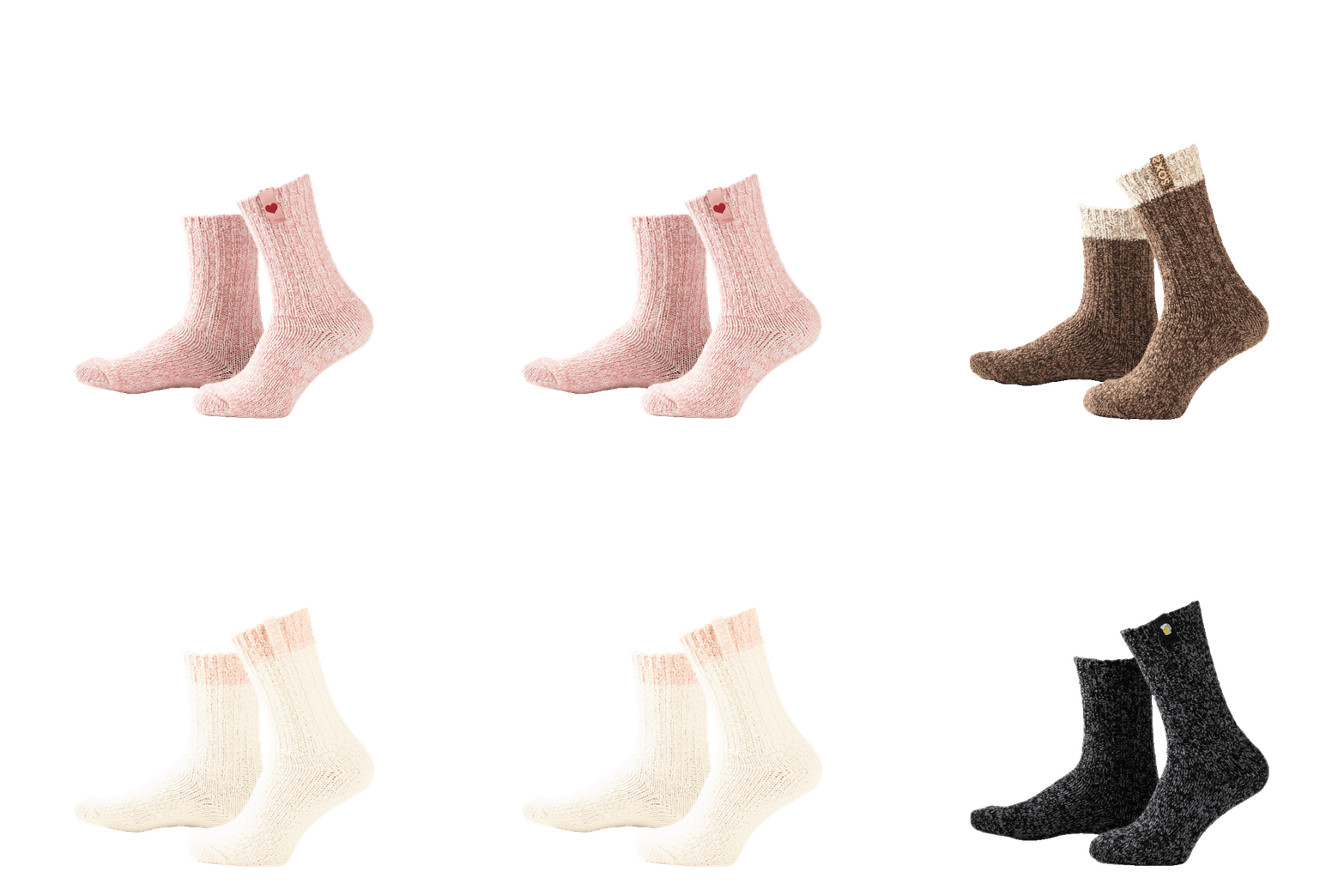
Soft warm premium wool socks
Gift ready, stylishly packaged
Orders placed before 1:00 PM will be shipped today (on weekdays) PLEASE NOTE: The delivery time of Pimp My Soxs is 5 working days!

Wool socks for diabetics provide superior moisture management, temperature regulation, and reduced friction compared to synthetic alternatives. The natural antimicrobial properties of wool help prevent infections, while its breathability maintains optimal foot health. These benefits make wool particularly valuable for diabetic foot care, though proper selection and care remain important considerations.
Wool socks offer exceptional moisture-wicking capabilities, natural temperature regulation, antimicrobial properties, and reduced friction, all important features for diabetic foot health. These natural characteristics help address the specific challenges that people with diabetes face regarding foot care.
The moisture-wicking ability of wool keeps feet dry by pulling perspiration away from skin. This prevents the damp environment where bacteria and fungi thrive, reducing infection risks that diabetics must carefully avoid. Wool’s natural breathability allows air circulation around your feet, maintaining a healthy environment even during extended wear.
Temperature regulation is another key benefit. Wool naturally adapts to your body temperature, keeping feet warm when needed while preventing overheating. This consistent temperature helps maintain proper blood circulation, which is particularly important for diabetic foot health.
The antimicrobial properties inherent in wool fibres help prevent bacterial growth naturally. This reduces odour and creates a cleaner environment for your feet. Additionally, wool’s soft texture reduces friction against skin, minimising the risk of blisters or pressure points that could develop into serious complications for diabetics.
Wool prevents diabetic foot complications by maintaining optimal moisture levels, promoting air circulation, and creating an environment that discourages harmful bacterial and fungal growth. The natural properties of wool work together to support the foot health that diabetics need for proper healing and circulation.
The breathable structure of wool allows moisture to escape while preventing external dampness from reaching your skin. This balanced moisture management is important because diabetics often have reduced sensation in their feet and may not notice when conditions become problematic.
Wool’s ability to regulate temperature supports healthy blood circulation. Poor circulation is a common diabetic complication, and maintaining consistent warmth helps blood flow reach your feet effectively. This improved circulation supports the body’s natural healing processes and helps prevent tissue damage.
The natural elasticity found in quality wool socks, particularly those blended with materials like polyamide, ensures proper fit without being too tight. Proper circulation is maintained because the socks don’t constrict blood flow, while still providing adequate support and cushioning for daily activities.
Wool outperforms synthetic materials through superior breathability, natural moisture control, consistent temperature regulation, and inherent antimicrobial properties. While synthetic socks may trap moisture and heat, wool actively manages both to maintain healthier foot conditions.
Synthetic materials often create a barrier that traps perspiration against your skin. This trapped moisture becomes a breeding ground for bacteria and fungi, increasing infection risks. Wool, by contrast, absorbs moisture into its fibres and releases it gradually, keeping your skin drier.
The temperature stability of wool surpasses synthetic alternatives. While synthetic socks may become uncomfortably hot or fail to provide adequate warmth, wool maintains consistent comfort across different temperatures. This prevents the temperature fluctuations that can affect circulation and foot health.
Natural wool fibres have built-in antimicrobial properties that synthetic materials lack unless chemically treated. These treatments in synthetic socks can wear off over time, while wool’s natural protection remains effective throughout the sock’s lifespan. Quality wool blends also maintain their shape and elasticity better than pure synthetic options, ensuring consistent fit and comfort.
Potential downsides include wool allergies in sensitive individuals, higher initial cost compared to synthetic options, specific care requirements, and the possibility that some wool socks may be too thick for certain footwear. However, modern wool blends have addressed many traditional wool concerns.
Some people experience wool sensitivity or allergies, though this is less common with high-quality, properly processed wool. Modern wool processing techniques and blends with materials like polyamide have significantly reduced itching and irritation issues that were once associated with wool socks.
Wool socks typically cost more upfront than synthetic alternatives. However, their durability and long-term foot health benefits often justify the investment. Quality wool socks maintain their beneficial properties longer than synthetic options, making them more cost-effective over time.
Care requirements for wool socks are more specific than for synthetic materials. They need gentle washing, lower temperatures, and air drying rather than machine drying. For some diabetics with mobility limitations, this additional care might present challenges.
Thickness can be a consideration if you have limited room in your shoes. Proper footwear fit is important for diabetics, so you may need to adjust shoe size or choose thinner wool sock options to maintain appropriate fit without creating pressure points.
Diabetics should select wool socks based on appropriate thickness for their footwear, proper fit without constriction, adequate cushioning for their activity level, and specific features like seamless construction or extra padding in pressure-prone areas. The sock’s wool blend composition also affects performance and comfort.
Consider your daily activities when choosing thickness. If you’re active or spend long periods standing, medium-weight wool socks provide good cushioning without excessive bulk. For less active days or when wearing dress shoes, thinner wool socks maintain benefits while fitting properly in snug footwear.
Look for wool blends rather than pure wool options. Blends with polyamide or similar materials provide wool’s natural benefits while adding durability and maintaining proper fit over time. These blends also reduce any potential itching while preserving moisture-wicking and antimicrobial properties.
Seamless construction or flat seams reduce friction points that could cause problems for sensitive diabetic feet. Cushioned heel and toe areas provide extra protection in high-pressure zones without adding bulk throughout the entire sock.
Ensure proper sizing that allows for any foot swelling you might experience during the day. The sock should fit snugly without being tight, with no bunching or sliding that could create friction or pressure points.
Wash wool socks by hand or use a gentle wool cycle at maximum 30°C, air dry completely, and inspect regularly for wear or damage. Proper care maintains the antimicrobial and moisture-wicking properties while ensuring hygiene standards needed for diabetic foot health.
Hand washing provides the gentlest care for wool socks. Use lukewarm water and wool-specific detergent, gently agitate without wringing or stretching, then rinse thoroughly. This method preserves the natural properties of wool while ensuring complete cleanliness.
If using a washing machine, select the wool programme and use wool detergent. Wash at 30°C maximum with a gentle spin cycle of 600 revolutions per minute or less. Never use fabric softeners, as they can coat wool fibres and reduce their natural moisture-wicking abilities.
Air drying is important for maintaining wool’s beneficial properties. Lay socks flat on a towel away from direct heat sources like radiators or sunlight. Complete drying prevents moisture retention that could lead to bacterial growth, which is particularly important for diabetic foot hygiene.
Inspect your wool socks regularly for signs of wear, holes, or thinning areas. Replace them when they show significant wear, as damaged socks can create pressure points or lose their protective properties. Keep multiple pairs in rotation to allow proper drying time between wears.
Proper foot hygiene remains important alongside quality wool socks. Clean and dry your feet thoroughly before putting on fresh socks, and change socks daily or more frequently if they become damp from perspiration or other moisture.
Quality wool socks represent a valuable investment in diabetic foot health. When you combine wool’s natural benefits with proper selection and care, you create an environment that supports circulation, prevents complications, and maintains comfort throughout your daily activities. At SOXS, we understand these needs and craft our wool socks to provide the breathability, moisture management, and antimicrobial protection that support your foot health goals.