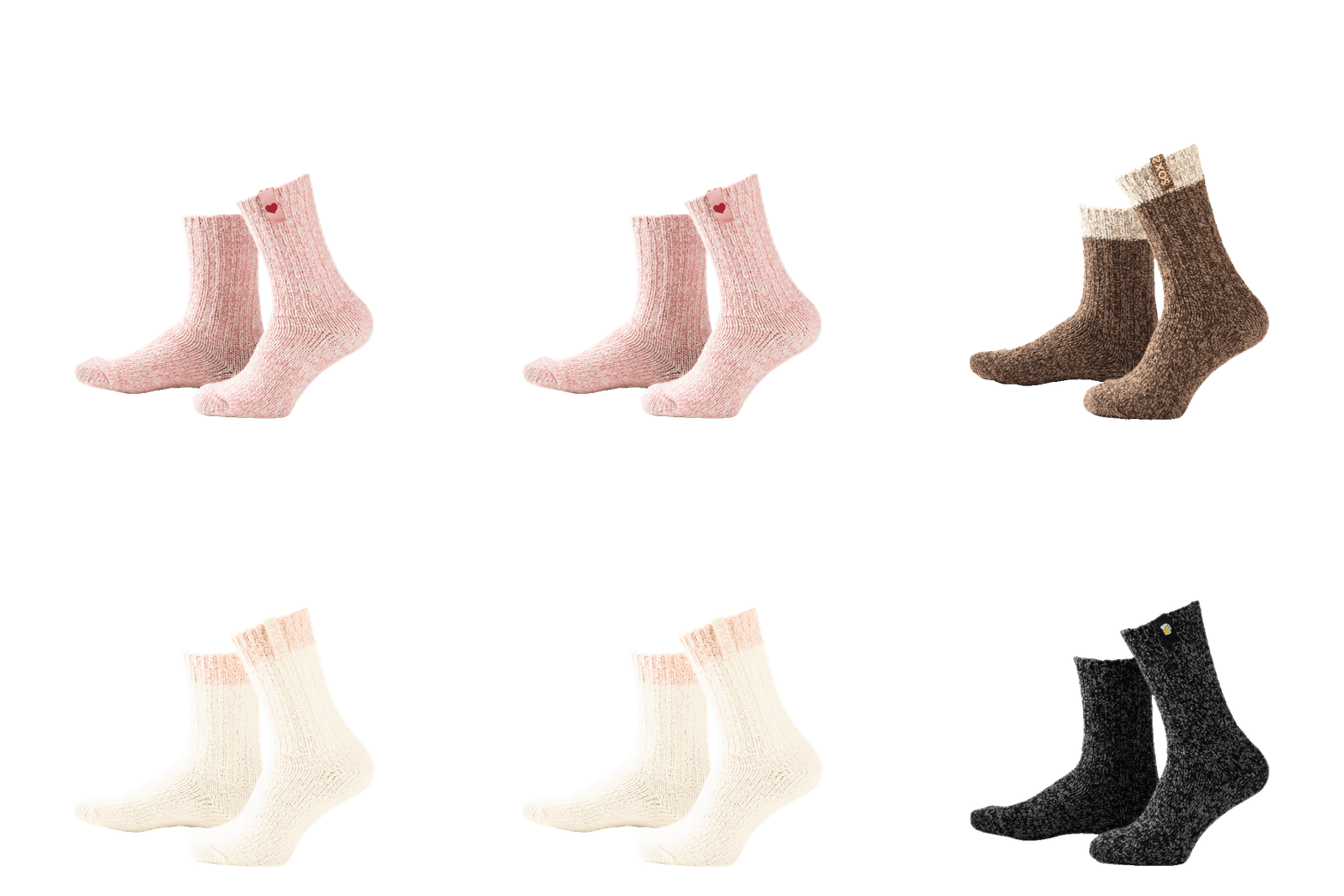
Soft warm premium wool socks
Gift ready, stylishly packaged
Orders placed before 1:00 PM will be shipped today (on weekdays) PLEASE NOTE: The delivery time of Pimp My Soxs is 5 working days!

Wool socks can provide meaningful support for people with rheumatic complaints by maintaining consistent warmth and promoting better circulation around joints. The natural temperature-regulating properties of wool help reduce morning stiffness and discomfort associated with arthritis and joint inflammation. Quality wool socks offer therapeutic benefits through improved blood flow, moisture management, and gentle compression that doesn’t restrict circulation.
Rheumatic complaints encompass various conditions including arthritis, joint pain, and chronic inflammation that affect millions of people worldwide. These conditions cause stiffness, swelling, and discomfort in joints, muscles, and connective tissues throughout the body.
Temperature sensitivity becomes a significant challenge for people with rheumatic conditions. Cold weather and poor circulation often worsen joint stiffness, particularly in the morning or after periods of inactivity. Your feet and ankles are especially vulnerable because they’re furthest from your heart and often experience reduced blood flow.
These conditions impact sleep quality when joint discomfort prevents restful positioning. Poor circulation leads to cold extremities, making it difficult to fall asleep and stay comfortable throughout the night. Daily activities become more challenging when joints feel stiff and painful, particularly during weather changes or in cold environments.
Wool’s unique fiber structure creates tiny air pockets that trap body heat while allowing moisture to escape, maintaining optimal temperature regulation around your feet and ankles. This natural insulation helps promote better blood circulation by keeping extremities warm without overheating.
The crimped structure of wool fibers creates excellent breathability. Unlike synthetic materials that can trap moisture and create temperature fluctuations, wool actively wicks perspiration away from your skin while maintaining consistent warmth. This moisture management prevents the cooling effect that occurs when sweat evaporates against your skin.
Wool’s natural elasticity provides gentle support without restricting blood flow. The fibers expand and contract with your movements, maintaining comfortable pressure that supports circulation rather than impeding it. This is particularly important for people with circulation issues who need warmth without tight compression that could worsen their symptoms.
New Zealand merino wool features exceptionally fine fibers that are significantly softer and less irritating than traditional wool, making it suitable even for people with sensitive skin or wool sensitivities. The superior fiber quality provides therapeutic benefits without the itching or discomfort associated with coarser wool varieties.
The natural breathability of New Zealand merino wool surpasses synthetic alternatives in temperature regulation. These fine fibers create better air circulation while maintaining insulating properties, preventing the overheating that can cause discomfort for people with inflammatory conditions.
When blended with modern materials like polyamide, New Zealand wool maintains its therapeutic properties while gaining durability and shape retention. This combination provides the warmth and circulation benefits of natural wool with improved longevity and consistent fit that won’t become loose or restrictive over time.
Maintaining consistent warmth in your feet and ankles can significantly improve joint mobility and reduce morning stiffness associated with rheumatic conditions. Warm temperatures help increase blood flow to joints, delivering nutrients and oxygen that support joint health and comfort.
Cold temperatures cause blood vessels to constrict, reducing circulation to extremities and making joints feel stiffer and more painful. By keeping your feet consistently warm, you support better overall circulation that can positively impact joint comfort throughout your body.
Consistent foot warmth during sleep helps maintain better circulation overnight, potentially reducing the severe morning stiffness that many people with arthritis experience. When your extremities stay warm, your body doesn’t need to redirect blood flow away from joints to maintain core temperature, supporting better joint lubrication and mobility.
Choose socks with natural wool content, seamless construction, and gentle compression that supports circulation without restriction. Look for materials that provide consistent warmth while managing moisture effectively to prevent temperature fluctuations that can worsen joint discomfort.
Seamless toe construction prevents pressure points that can cause discomfort for sensitive feet and joints. Avoid socks with thick seams or rough textures that might create friction or pressure against tender areas around your ankles and feet.
Consider socks with:
Proper care preserves wool’s natural properties and extends the therapeutic life of your socks. Hand washing or using a gentle wool cycle maintains the fiber structure that provides temperature regulation and circulation benefits.
Wash your wool socks in cool water (maximum 30°C) using wool-specific detergent. Regular detergents can damage wool fibers and reduce their natural properties. If using a washing machine, select the wool cycle and limit spinning to 600 revolutions per minute to prevent fiber damage.
Never put wool socks in the dryer, as heat can shrink fibers and destroy their therapeutic properties. Instead, gently squeeze out excess water and lay flat to dry away from direct heat sources. Proper drying maintains the elasticity and temperature-regulating qualities that provide comfort for rheumatic conditions.
Store clean, dry wool socks in a breathable space to prevent moisture buildup and maintain their natural properties. With proper care, quality wool socks will continue providing therapeutic benefits for years, making them a worthwhile investment in your daily comfort.
Managing rheumatic complaints involves many strategies, and maintaining proper foot warmth through quality wool socks offers a simple yet effective approach. The combination of natural temperature regulation, improved circulation, and gentle comfort can meaningfully support your daily well-being. At SOXS, our ethically sourced New Zealand wool socks provide these therapeutic benefits while supporting sustainable practices that benefit both you and the environment.