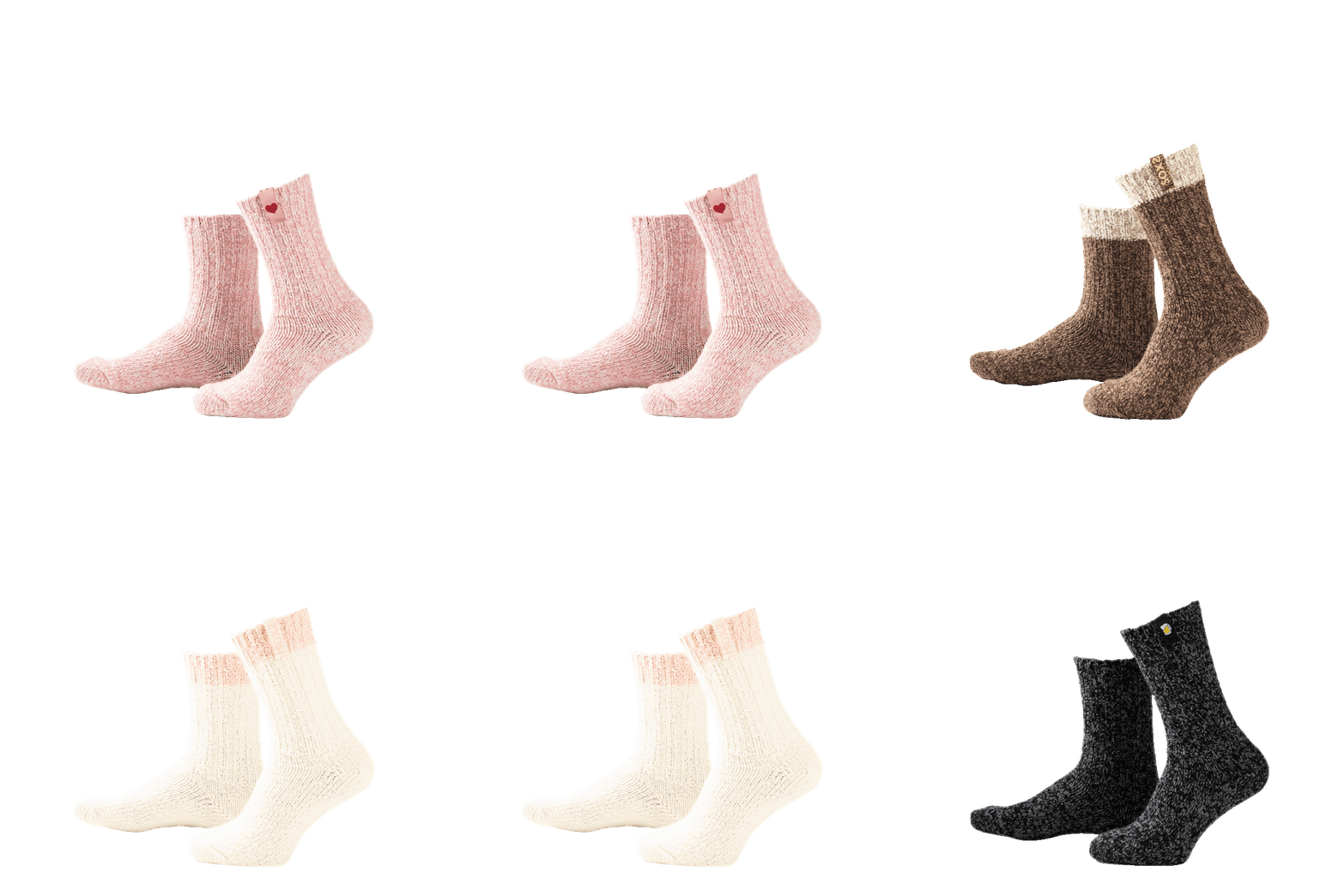
Soft warm premium wool socks
Gift ready, stylishly packaged
Orders placed before 1:00 PM will be shipped today (on weekdays) PLEASE NOTE: The delivery time of Pimp My Soxs is 5 working days!

When you’re feeling unwell, your feet need different care than when you’re healthy. Wool socks provide superior moisture management, temperature regulation, and antibacterial properties compared to cotton socks during illness. Wool naturally adapts to your body temperature changes, wicks away fever-related moisture, and maintains breathability whilst cotton retains dampness and lacks temperature flexibility. This makes wool the better choice for comfort during recovery.
Your feet require special attention during illness because your body’s normal temperature regulation and circulation patterns change significantly. When you’re unwell, your immune system redirects energy and blood flow to fight infection, often leaving your extremities with reduced circulation and making them feel cold or uncomfortable.
Fever creates additional challenges for foot comfort. Your body temperature fluctuates throughout the day, causing alternating periods of chills and overheating. These temperature swings affect how much your feet sweat and how comfortable different materials feel against your skin. Poor circulation during illness also means your feet may struggle to maintain consistent warmth.
Moisture levels around your feet change dramatically when you’re sick. Fever-induced sweating, combined with spending more time in bed or resting, creates conditions where your feet can become damp and uncomfortable. This excess moisture needs proper management to prevent discomfort and maintain hygiene during your recovery period.
Wool socks excel during illness because they actively manage moisture, regulate temperature, and resist bacterial growth – three critical factors for comfort when you’re unwell. Cotton absorbs moisture but cannot release it effectively, leaving your feet damp and uncomfortable during fever sweats.
The natural structure of wool fibres allows them to absorb up to 30% of their weight in moisture whilst still feeling dry to the touch. This means when fever causes your feet to sweat, wool socks continue feeling comfortable whilst cotton socks become soggy and unpleasant. Wool also releases this moisture gradually as your body temperature normalises.
Wool’s antibacterial properties become particularly valuable during illness when your immune system is compromised. The natural lanolin in wool fibres helps prevent bacterial growth, reducing the risk of foot odour and skin irritation when you’re spending extended periods resting. Cotton lacks these natural antimicrobial qualities and can harbour bacteria in damp conditions.
Fever-related sweating significantly impacts foot comfort because excess moisture trapped against your skin creates an uncomfortable, clammy sensation that disrupts rest and sleep. When your body temperature spikes during illness, your feet can produce substantial amounts of sweat that needs proper management for optimal comfort.
Moisture-wicking properties become important during fever because they help maintain a comfortable microclimate around your feet regardless of temperature fluctuations. Quality wool socks draw perspiration away from your skin and allow it to evaporate naturally, preventing the buildup of dampness that makes recovery more uncomfortable.
Poor moisture management during illness can disrupt your sleep quality, which is vital for recovery. Damp, uncomfortable feet can cause you to wake frequently or struggle to find comfortable sleeping positions. Proper moisture control helps maintain the restful sleep your body needs to heal effectively.
Wool socks provide excellent temperature regulation during illness because wool fibres naturally adjust to your body’s changing thermal needs. Unlike synthetic materials or cotton, wool creates insulating air pockets that warm your feet when you’re cold and allow heat to escape when your temperature rises.
This thermoregulating ability proves particularly valuable during the temperature swings common in illness. When chills strike, wool socks help retain body heat around your feet. During fever peaks, the same wool fibres allow excess heat to dissipate, preventing overheating and maintaining comfort throughout your recovery.
The crimped structure of wool fibres creates natural insulation that adapts to your body’s needs. This means you don’t need to constantly change socks as your temperature fluctuates throughout the day. One pair of quality wool socks can provide appropriate comfort whether you’re experiencing chills or fever symptoms.
Breathability becomes important during illness because poor air circulation around your feet can worsen discomfort and create conditions for bacterial growth when your immune system is already compromised. Wool’s superior breathability allows continuous air movement whilst maintaining warmth and moisture control.
When you’re spending more time resting or in bed during illness, your feet need proper ventilation to prevent stuffiness and overheating. Wool’s natural fibre structure promotes airflow whilst cotton tends to become dense and less breathable when it absorbs moisture from fever sweats.
Good breathability also helps prevent the development of unpleasant odours during extended wear periods common when you’re unwell. The combination of air circulation and wool’s natural antibacterial properties keeps your feet fresher for longer, reducing the need for frequent sock changes when you’re focusing on recovery.
Cotton socks have several limitations during illness, primarily their inability to manage moisture effectively and their lack of temperature adaptability. When cotton absorbs sweat from fever, it retains that moisture against your skin, creating uncomfortable dampness that can last for hours.
Cotton’s temperature inflexibility means it cannot adapt to your body’s changing thermal needs during illness. Cotton socks that feel appropriate when you have chills may become uncomfortably warm during fever, requiring frequent changes that disrupt rest. This lack of thermal regulation makes cotton less suitable for the temperature fluctuations common during recovery.
The potential for bacterial growth in damp cotton creates additional concerns when you’re unwell. Cotton provides an ideal environment for bacteria when wet, which can lead to foot odour and potential skin irritation when your immune system is already fighting illness. These factors make cotton a less optimal choice for foot comfort during recovery periods.
Choosing appropriate socks during illness might seem like a small detail, but proper foot comfort contributes to better rest and recovery. Wool’s natural properties – moisture management, temperature regulation, breathability, and antibacterial qualities – make it the superior choice when you’re unwell. At SOXS, we understand how important comfort becomes when you’re not feeling your best, which is why our wool socks combine traditional New Zealand sheep’s wool with modern technology for itch-free warmth that adapts to your needs.