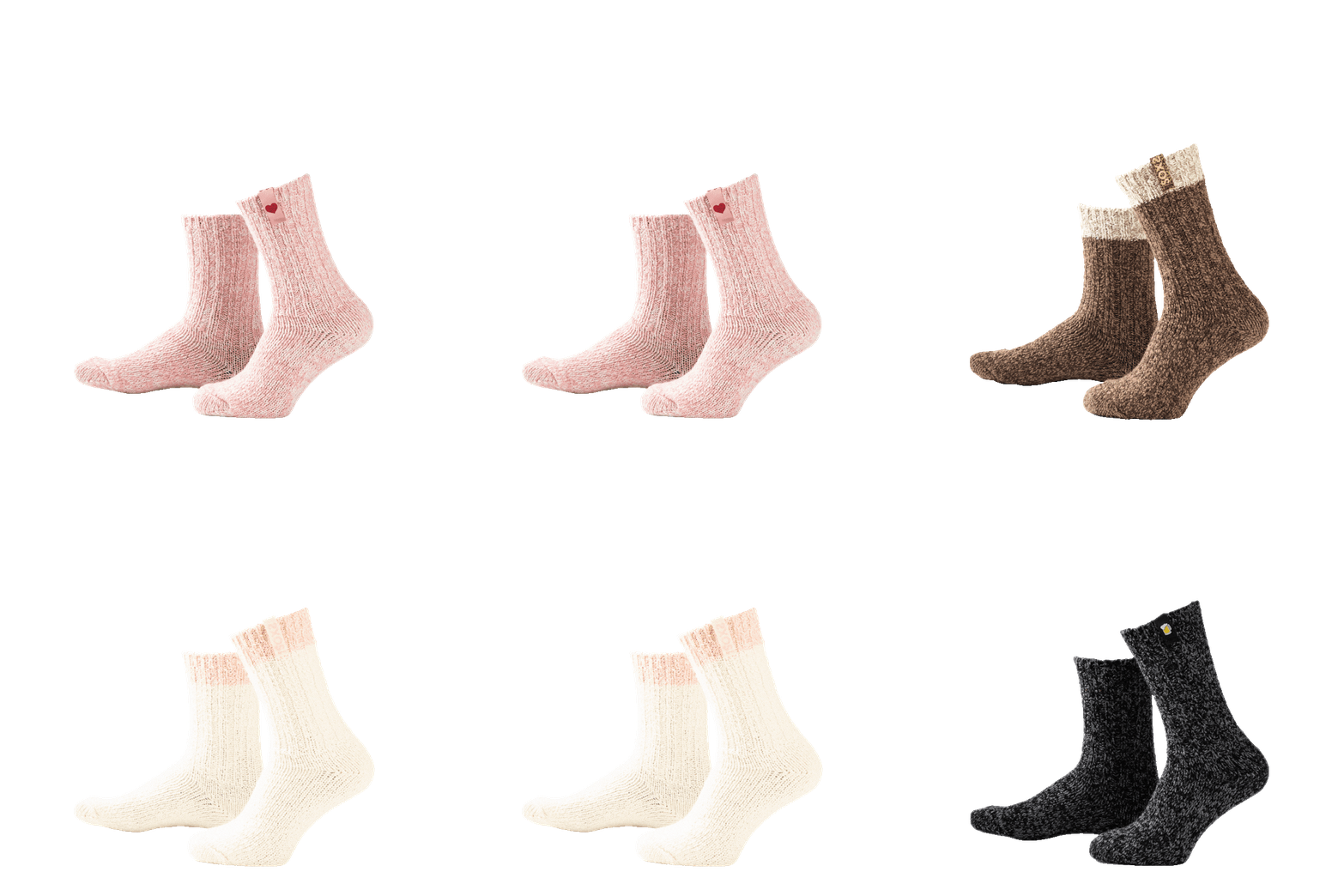
Soft warm premium wool socks
Gift ready, stylishly packaged
Orders placed before 1:00 PM will be shipped today (on weekdays) PLEASE NOTE: The delivery time of Pimp My Soxs is 5 working days!

The best wool for people with skin problems is merino wool, particularly ultra-fine merino with fibres under 18 microns in diameter. This type of wool is gentle enough for sensitive skin because its fine fibres don’t trigger the mechanical irritation that causes itching and rashes. Cashmere and alpaca wool are also excellent hypoallergenic options, while wool blends with synthetic fibres can reduce irritation and maintain warmth and breathability.
Traditional wool irritates sensitive skin primarily due to its coarse fibre structure and natural lanolin content. Conventional wool fibres are thick and have microscopic scales that create a scratchy sensation against skin, triggering mechanical irritation that leads to itching, redness, and dermatitis.
The diameter of wool fibres plays a crucial role in skin compatibility. Standard sheep’s wool typically measures 25 to 30 microns in diameter, which is thick enough to stimulate nerve endings in your skin. When these coarse fibres bend and move against your skin, they create tiny pressure points that your nervous system interprets as irritation.
Lanolin, the natural waxy substance that protects sheep’s fleece, can also trigger allergic reactions in some people. While lanolin allergies affect only a small percentage of the population, those who are sensitive may experience contact dermatitis, eczema flare-ups, or general skin irritation when wearing untreated wool.
Processing methods significantly impact wool’s skin-friendliness. Harsh chemical treatments, inadequate washing, or poor-quality manufacturing can leave residues that irritate sensitive skin. Additionally, wool that hasn’t been properly cleaned may retain dirt, vegetable matter, or processing chemicals that compound skin sensitivity issues.
Merino wool stands out as the gentlest option for sensitive skin, particularly ultra-fine merino with fibres measuring 15 to 18 microns in diameter. This fine fibre structure eliminates the scratchy sensation that causes wool sensitivity, making it comfortable even for people with dermatitis or eczema.
Cashmere offers exceptional softness with fibres around 14 to 16 microns, making it naturally hypoallergenic. However, cashmere requires more delicate care and comes at a higher price point. The ultra-fine fibres create a smooth surface that doesn’t irritate skin, while providing excellent insulation properties.
Alpaca wool presents another excellent choice for sensitive skin sufferers. Alpaca fibres are naturally lanolin-free, eliminating one common allergen entirely. The hollow fibre structure provides superior warmth without weight, and the smooth fibre surface reduces friction against skin.
Baby alpaca wool, harvested from young alpacas, offers even greater softness with fibres under 20 microns. This premium wool type combines the hypoallergenic benefits of regular alpaca with enhanced comfort for the most sensitive skin types.
Wool blends can also work well for skin problems. High-quality merino blended with silk or bamboo fibres often provides the warmth benefits of wool while reducing potential irritation. The synthetic or natural fibres create a barrier between the wool and your skin.
Check the product label for fibre diameter specifications and look for wool measuring 20 microns or less for sensitive skin compatibility. Quality manufacturers often list micron counts, with ultra-fine merino (under 18 microns) being the safest choice for skin sensitivity issues.
Perform a simple touch test by rubbing the fabric against the inside of your wrist or neck for 30 seconds. If you experience immediate itching, tingling, or redness, the wool will likely cause problems during extended wear. Quality wool for sensitive skin should feel smooth and soft, not scratchy or rough.
Look for specific wool treatments on labels such as “chlorine-free processing,” “enzyme-treated,” or “superwash.” These treatments remove the microscopic scales from wool fibres, creating a smoother surface that’s less likely to irritate sensitive skin. Avoid wool labelled as “untreated” or “raw” if you have skin sensitivities.
Research the wool’s origin and processing methods. New Zealand and Australian merino wool often undergoes superior processing for softness, while wool from regions with less stringent quality controls may retain more irritants. Humanely sheared wool typically receives better handling throughout the supply chain.
Consider starting with wool socks or small accessories before investing in larger garments. This allows you to test your skin’s reaction to a specific wool type and brand without committing to expensive clothing items that might cause discomfort.
Remove the wool garment immediately and wash the affected skin area with cool water and gentle, fragrance-free soap. Avoid hot water, which can worsen inflammation and increase itching. Pat your skin dry rather than rubbing, which could further irritate already sensitive areas.
Apply a cool, damp compress to inflamed areas for 10 to 15 minutes to reduce swelling and provide immediate relief. Follow with a hypoallergenic moisturiser or aloe vera gel to soothe irritated skin and restore the protective barrier function.
For persistent itching, consider using over-the-counter antihistamines or anti-inflammatory creams containing hydrocortisone. However, if symptoms worsen or persist beyond 48 hours, consult a dermatologist as you may have developed contact dermatitis requiring professional treatment.
Avoid scratching affected areas, which can lead to secondary infections or scarring. Keep fingernails short and consider wearing cotton gloves at night if unconscious scratching is a problem. Cold therapy or distraction techniques can help manage the urge to scratch.
Document which wool types caused reactions to avoid future problems. Note the brand, wool type, and any processing information available. This information helps you identify safe alternatives and provides useful details if you need to consult a healthcare provider about wool allergies.
Chlorine-Hercosett treatment is the most common method for creating skin-friendly wool. This process removes the microscopic scales from wool fibres and applies a thin polymer coating, resulting in a smooth surface that doesn’t irritate sensitive skin while maintaining wool’s natural properties.
Enzyme treatments offer an alternative that uses natural enzymes to modify wool fibre surfaces. These biological processes smooth the fibre scales without harsh chemicals, creating wool that’s gentle on skin while retaining breathability and temperature regulation properties.
Plasma treatment represents newer technology that modifies wool surfaces using ionised gas. This process creates ultra-smooth fibres without chemical residues, making it ideal for people with multiple chemical sensitivities who still want wool’s natural benefits.
Superwash processing combines several treatments to create machine-washable wool that’s also skin-friendly. The multi-step process removes scales, applies protective coatings, and ensures colour fastness, resulting in wool that’s both practical and comfortable for sensitive skin.
Processing methods with minimal chemical intervention focus on maximising softness. These treatments often use natural oils, gentle acids, or mechanical processes to improve wool’s feel without introducing potential allergens or irritants that could trigger skin reactions.
When choosing wool for sensitive skin, understanding these different wool types and treatments helps you make informed decisions. The combination of fine fibres, proper processing, and quality manufacturing creates wool products that provide warmth and comfort without the traditional drawbacks. At SOXS, we’ve developed our own approach to creating skin-friendly wool by blending traditional New Zealand sheep’s wool with modern technology, resulting in socks that don’t itch while maintaining all the natural benefits of wool.