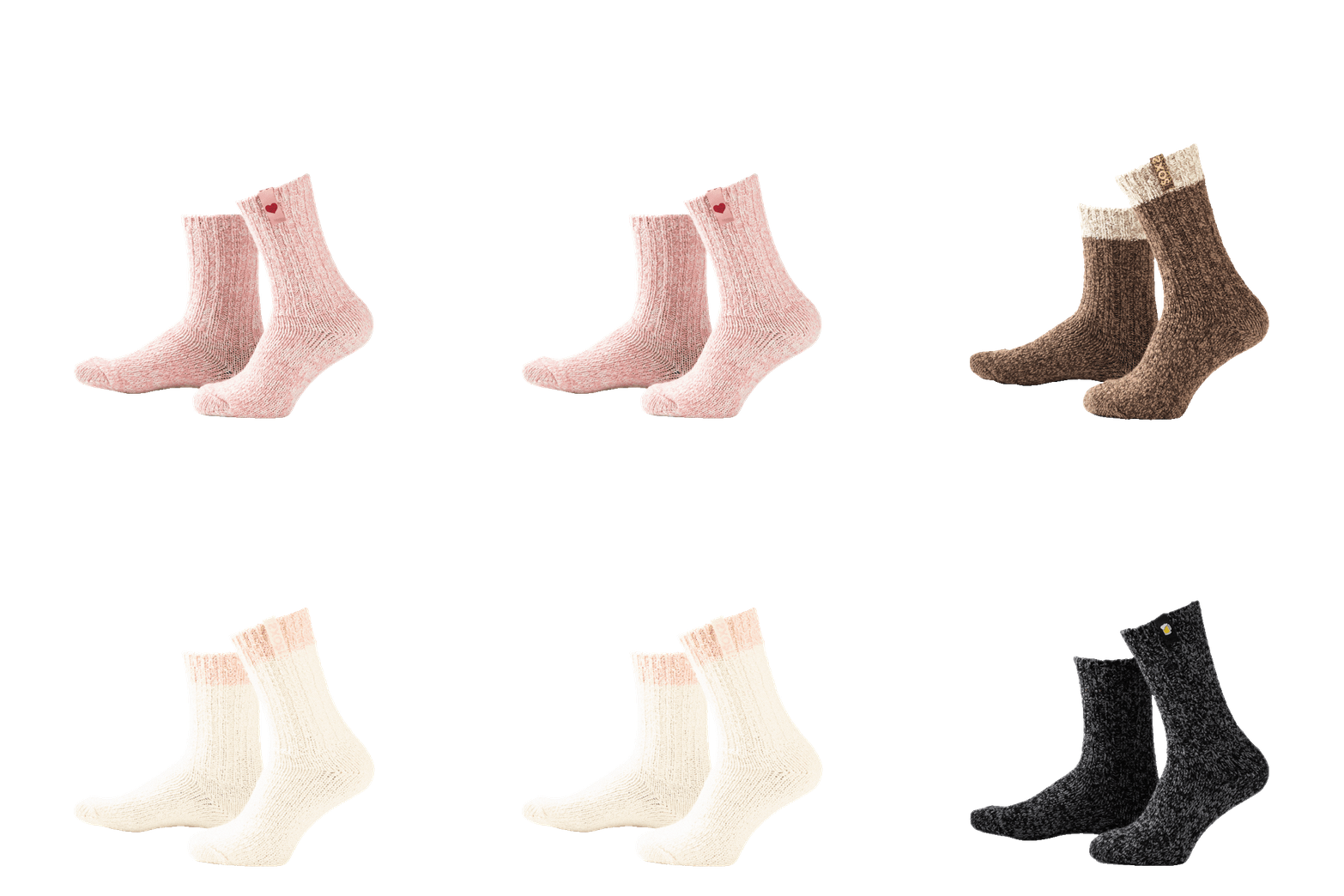
Soft warm premium wool socks
Gift ready, stylishly packaged
Orders placed before 1:00 PM will be shipped today (on weekdays) PLEASE NOTE: The delivery time of Pimp My Soxs is 5 working days!

The best wool socks for diabetics combine wool’s natural moisture-wicking and temperature regulation with diabetic-specific design features like seamless construction and proper cushioning. You can find quality diabetic wool socks at medical supply stores, specialty sock retailers, and online platforms that focus on health-conscious footwear. Look for merino wool or high-quality sheep’s wool blends that offer breathability without compromising circulation or comfort.
Wool socks offer exceptional benefits for diabetic foot care through their natural moisture-wicking properties, temperature regulation, and antimicrobial qualities. These features directly address common diabetic foot concerns including poor circulation, increased infection risk, and temperature sensitivity.
The moisture-wicking ability of wool keeps feet dry by pulling sweat away from the skin, which prevents the damp conditions where bacteria and fungi thrive. This is particularly important for people with diabetes who face higher risks of foot infections that can lead to serious complications.
Wool’s natural temperature regulation helps maintain consistent foot warmth without overheating. This matters for diabetics because poor circulation can make feet feel cold, yet overheating can cause excessive sweating and skin problems. Quality wool maintains comfortable foot temperature in both warm and cool conditions.
The antimicrobial properties inherent in wool fibres naturally resist odour-causing bacteria and help maintain foot hygiene. Combined with wool’s breathability, these properties create an environment that supports healthy feet whilst reducing the risk of infections that diabetics must carefully avoid.
Seamless construction is the most important feature in diabetic wool socks, as seams can create pressure points that lead to blisters, sores, or circulation problems. Look for socks with flat-seam toes or completely seamless designs that eliminate potential irritation points.
Proper cushioning in the heel and forefoot areas provides protection without being too thick. The cushioning should distribute pressure evenly whilst maintaining the sock’s breathability. Avoid overly padded socks that might make shoes feel tight and restrict circulation.
Graduated compression, if recommended by your healthcare provider, should be light to moderate. Many diabetic wool socks offer gentle compression that supports circulation without being restrictive. Never choose compression levels without medical guidance.
The wool blend matters significantly. Look for socks made from high-quality wool such as merino or sheep’s wool combined with synthetic fibres like polyamide for durability and elasticity. This combination provides wool’s benefits whilst ensuring the socks maintain their shape and don’t become loose or wrinkled.
Proper fit is crucial – diabetic wool socks should feel snug but never tight. They shouldn’t bunch up, slide down, or create wrinkles that could cause pressure points. Many quality diabetic socks come in specific sizing rather than generic small/medium/large options.
Medical supply stores and pharmacies often carry diabetic-specific wool socks with proper certifications and features. These retailers understand the medical requirements and typically stock socks that meet diabetic foot care standards.
Online specialty retailers focusing on diabetic supplies offer the widest selection of diabetic wool socks. Websites dedicated to diabetic care products usually provide detailed specifications, customer reviews, and guidance on choosing appropriate socks for different needs.
Outdoor and hiking retailers surprisingly offer excellent wool sock options that work well for diabetics. Many hiking socks feature the seamless construction, moisture-wicking properties, and cushioning that benefit diabetic feet, though you’ll need to verify they meet diabetic-specific requirements.
Sock manufacturers that specialise in medical or therapeutic footwear often sell directly to consumers online. These companies understand foot health requirements and typically offer detailed product information about construction methods, materials, and intended benefits.
Some podiatry clinics and diabetes care centres sell recommended sock brands directly to patients. This ensures you’re getting products that healthcare professionals trust and that meet medical standards for diabetic foot care.
Quality diabetic wool socks typically range from £15 to £35 per pair, with premium medical-grade options reaching £40 to £50. This price reflects the specialised construction, high-quality materials, and additional features required for diabetic foot health.
The higher cost compared to regular socks comes from seamless construction techniques, medical-grade materials, and quality control standards. Diabetic socks undergo additional testing for pressure points, durability, and therapeutic properties that justify the premium pricing.
Consider the long-term value when evaluating cost. Well-made diabetic wool socks last longer than regular socks and can prevent costly foot problems. The investment in proper footwear is minimal compared to potential medical expenses from foot complications.
Many insurance plans or health savings accounts cover diabetic socks when prescribed by a healthcare provider. Check with your insurance company about coverage options, as this can significantly reduce your out-of-pocket costs.
Buying multi-packs or during sales can reduce per-pair costs whilst ensuring you have adequate sock rotation. Having 5 to 7 pairs allows proper washing and drying cycles without compromising foot care routines.
The primary difference lies in seamless construction – diabetic wool socks eliminate or minimise seams that could create pressure points, whilst regular wool socks often have prominent seams, particularly at the toe area.
Diabetic wool socks feature non-binding tops that don’t restrict circulation around the calf or ankle. Regular wool socks often have tighter elastic bands that can impede blood flow, which is particularly problematic for people with diabetes-related circulation issues.
The cushioning placement in diabetic socks is strategically designed to protect high-pressure areas without creating bulk. Regular wool socks may have uniform thickness or cushioning in areas that don’t necessarily benefit diabetic foot health.
Material composition differs as well – diabetic wool socks use specific wool blends tested for skin sensitivity and moisture management. The synthetic fibre content is carefully balanced to provide elasticity without compromising breathability or causing allergic reactions.
Quality control standards for diabetic wool socks include testing for pressure points, durability under medical use conditions, and compliance with medical device standards. Regular wool socks don’t undergo these specialised testing protocols.
Hand washing in cool water with wool-specific detergent preserves the fibres and therapeutic properties of diabetic wool socks. Use lukewarm water with a maximum temperature of 30°C and gently squeeze rather than wringing or twisting the socks.
If machine washing is necessary, use a wool cycle with cold water and wool detergent. Turn socks inside out before washing to protect the outer surface and reduce pilling. Wash with similar colours and avoid mixing with items that have zips or rough textures.
Never put wool socks in the tumble dryer, as heat can shrink the fibres and damage the elastic properties crucial for proper fit. Instead, gently squeeze out excess water and lay flat on a clean towel to air dry away from direct heat or sunlight.
Store clean, dry wool socks in a cool, dry place with adequate ventilation. Avoid cramming them into tight spaces where they might develop permanent creases or lose their shape. Cedar blocks can help prevent moth damage during long-term storage.
Rotate between multiple pairs to allow each pair to fully dry and recover between wears. This extends the life of the elastic fibres and maintains the socks’ therapeutic properties. Having 5 to 7 pairs ensures you always have clean, dry socks available whilst others are being washed or dried.
Regular inspection for wear spots, holes, or loose threads helps you identify when socks need replacement before they compromise foot protection. Replace diabetic wool socks when they show signs of significant wear, as their protective qualities diminish over time.
Finding the right diabetic wool socks requires balancing medical needs with comfort and budget considerations. Focus on seamless construction, proper materials, and reputable retailers who understand diabetic foot care requirements. Quality diabetic wool socks are an investment in long-term foot health that can prevent serious complications. At SOXS, we understand the importance of foot comfort and health, creating wool socks with the moisture-wicking and temperature-regulating properties that benefit sensitive feet, using humanely sheared wool in our carefully crafted designs.