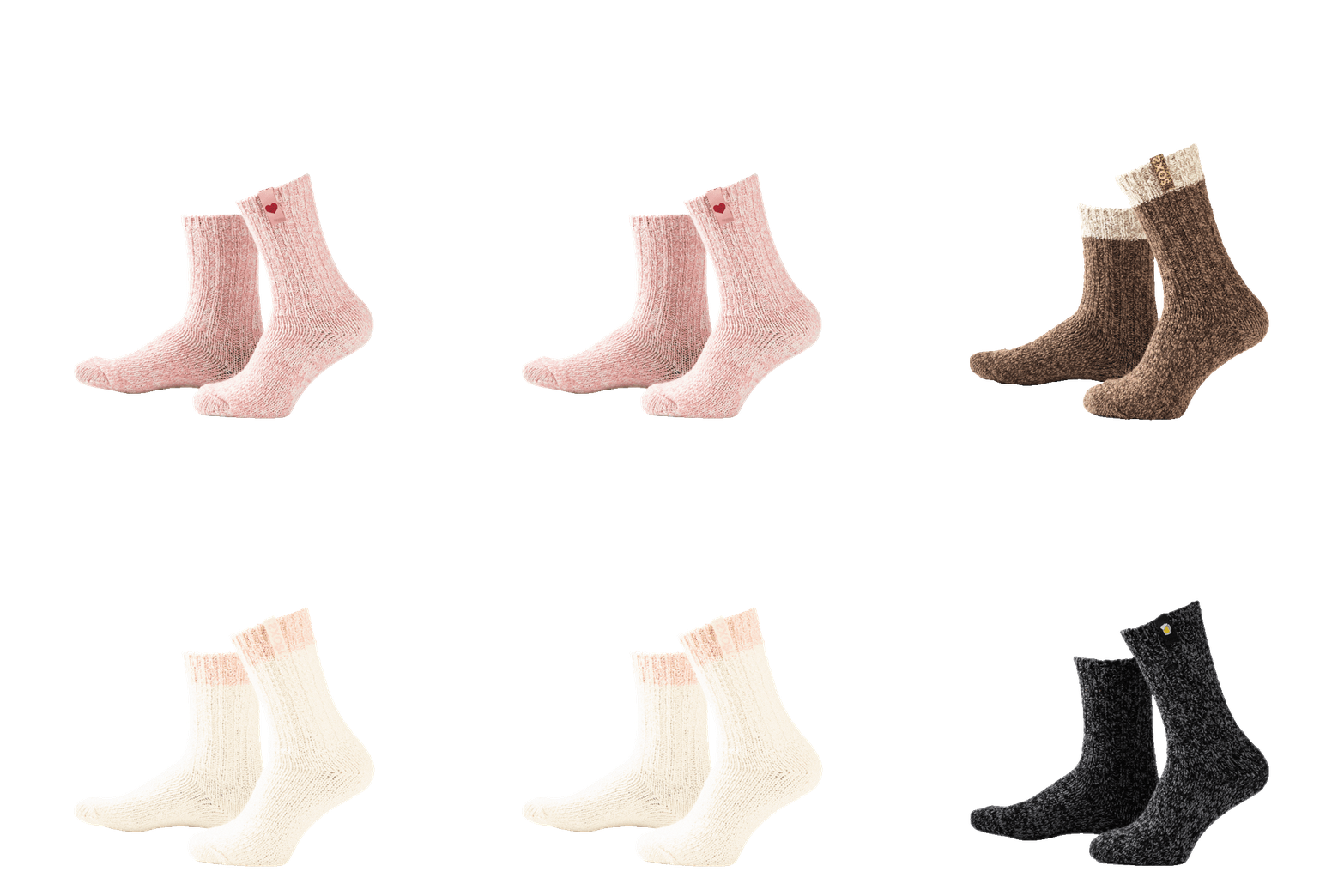
Soft warm premium wool socks
Gift ready, stylishly packaged
Orders placed before 1:00 PM will be shipped today (on weekdays) PLEASE NOTE: The delivery time of Pimp My Soxs is 5 working days!

Finding the perfect gift can feel overwhelming, especially when you want something that combines comfort, style, and practicality. Wool socks for women tick all these boxes, making them an unexpectedly thoughtful present that recipients genuinely appreciate. Unlike many gifts that sit unused in drawers, quality wool socks become daily essentials that remind the wearer of your thoughtfulness every time they slip them on.
What makes wool sock gifts particularly special is their universal appeal. Whether you’re shopping for your mum, sister, best friend, or colleague, comfortable wool socks address a fundamental need we all share: keeping our feet warm, dry, and comfortable throughout the day. The natural properties of wool make these socks suitable for year-round wear, adapting to different seasons and activities with remarkable versatility.
In this guide, you’ll discover everything you need to know about choosing the perfect wool socks as gifts, from understanding different wool types to selecting the right styles for various lifestyles. We’ll also share practical tips for sizing and caring for these cosy treasures, ensuring your gift brings joy for years to come.
Wool possesses remarkable natural properties that make it an ideal material for socks, particularly as gifts. The most impressive feature is wool’s ability to regulate temperature naturally. This means breathable wool socks keep feet warm in winter whilst remaining cool and comfortable during warmer months. This temperature regulation happens because wool fibres create tiny air pockets that insulate whilst allowing moisture to escape.
The moisture-wicking properties of wool set it apart from synthetic materials. Wool can absorb up to 30% of its weight in moisture whilst still feeling dry to the touch. This quality proves invaluable for women who spend long days on their feet, exercise regularly, or simply want comfortable everyday wear. The natural moisture management also contributes to wool’s impressive odour resistance, meaning gift recipients can wear their socks multiple times between washes without worry.
Perhaps most importantly for gift-giving, wool socks address a common problem many women face. Research indicates that 35% of people struggle with poor circulation, often resulting in persistently cold feet. Quality wool socks provide gentle warmth without restricting blood flow, making them particularly beneficial for those who suffer from cold feet, especially during colder months or whilst sleeping.
The durability of wool makes these gifts particularly valuable. Unlike cotton socks that lose their shape and develop holes quickly, well-made wool socks maintain their fit and comfort for years with proper care. This longevity means your thoughtful gift continues giving comfort long after the initial unwrapping excitement.
When discussing premium wool socks, merino wool stands in a category of its own. Unlike traditional wool that can feel scratchy or rough, merino wool socks offer extraordinary softness that feels luxurious against the skin. The fibres are much finer than regular wool, typically measuring less than 24 microns in diameter, which eliminates the itchy sensation many people associate with wool garments.
New Zealand merino wool has earned particular recognition for its exceptional quality. The country’s unique climate and farming practices produce wool with superior characteristics: longer staple length, consistent crimp, and remarkable softness. Sheep raised in New Zealand’s clean, temperate environment produce wool that’s naturally stronger and more resilient than wool from many other regions.
The breathability of merino wool surpasses that of regular wool significantly. The finer fibres create better air circulation whilst maintaining insulation properties. This makes merino wool socks ideal for active women who need their feet to stay comfortable during exercise, long work days, or outdoor activities like hiking.
Sustainability plays an increasingly important role in gift choices, and New Zealand wool often comes from farms practicing ethical animal husbandry. Many New Zealand wool producers focus on environmentally responsible farming methods, ensuring the wool comes from happy, healthy sheep raised with care. This ethical sourcing adds meaningful value to your gift, particularly for environmentally conscious recipients.
Modern wool processing techniques have revolutionised comfort levels. By blending high-quality merino wool with small amounts of elastic fibres like polyamide, manufacturers create socks that combine wool’s natural benefits with improved durability and fit retention. This blend typically uses 60% premium sheep’s wool with 40% elastic polyamide, resulting in socks that don’t itch, maintain their shape, and offer enhanced longevity.
Selecting the appropriate sock style depends largely on the recipient’s lifestyle and preferences. Crew socks remain the most versatile option, extending to mid-calf height and working well with most shoe types. They’re perfect for everyday wear, office environments, and casual outings, making them an excellent choice when you’re unsure about specific preferences.
Ankle socks suit women who prefer minimal coverage or frequently wear low-cut shoes. These shorter socks provide wool’s benefits whilst remaining invisible with trainers, loafers, or casual shoes. They’re particularly popular among younger women and those with active lifestyles who want comfort without bulk.
For women who enjoy outdoor activities, consider hiking-specific wool socks. These often feature reinforced heels and toes, cushioning in key areas, and moisture-wicking properties that prevent blisters during long walks or hikes. The slightly thinner construction compared to regular wool socks ensures they fit comfortably inside hiking boots without creating pressure points.
| Sock Style | Best For | Ideal Activities |
|---|---|---|
| Crew Socks | Everyday wear, office work | Daily activities, casual outings |
| Ankle Socks | Low-cut shoes, active wear | Exercise, casual wear, trainers |
| Knee-high | Boots, formal wear | Professional settings, winter wear |
| Bed Socks | Home comfort, cold feet | Sleeping, lounging, reading |
| No-show | Invisible coverage | Flats, ballet shoes, summer wear |
Knee-high wool socks work beautifully with boots and longer trousers, providing extended warmth and comfort. They’re particularly appreciated during colder months and suit professional environments where longer coverage is preferred.
For ultimate comfort at home, consider bed socks or lounge socks. These typically feature less compression than regular socks, allowing better blood circulation whilst providing gentle warmth. They’re perfect for women who suffer from cold feet at night or enjoy cosy evenings at home. Special bed socks often include anti-slip features for safety when walking on smooth floors.
No-show socks cater to women who want wool’s benefits with ballet flats, boat shoes, or other low-profile footwear. These require careful construction to stay in place whilst remaining invisible, making quality particularly important for this style.
Determining correct sock sizes when buying gifts requires some detective work, but several strategies can help ensure a proper fit. Most women’s wool socks follow standard UK sizing: sizes 3-5 (small), 6-8 (medium), and 9-11 (large). However, checking the recipient’s shoe size provides the most reliable starting point.
Quality wool socks often feature some stretch and adaptability, which works in your favour when gifting. The elastic properties of well-made wool socks accommodate slight size variations better than rigid synthetic alternatives. This flexibility means choosing medium (6-8) covers the most common women’s shoe sizes and provides a safe option when you’re uncertain.
Consider the sock’s intended use when selecting sizes. Hiking or outdoor socks might benefit from slightly roomier sizing to accommodate thicker socks or prevent pressure points during long walks. Conversely, dress socks or ankle socks often work better with more precise sizing to maintain a sleek appearance.
Pay attention to the sock’s construction and materials when assessing fit. Socks made with 60% wool and 40% polyamide typically offer better stretch and recovery than pure wool options. This blend maintains its shape longer and accommodates minor sizing discrepancies more forgivingly.
If you’re genuinely unsure about sizing, consider including a gift receipt or choosing from retailers with generous exchange policies. Many recipients appreciate the thoughtfulness of the gift regardless of perfect sizing and will happily exchange for their preferred size.
For bed socks or lounge socks, slightly larger sizing often works better as these are designed with less compression for improved circulation. The looser fit enhances comfort during extended wear and reduces the risk of restricting blood flow during sleep.
Choosing sustainable wool socks as gifts demonstrates environmental consciousness whilst supporting responsible manufacturing practices. Look for socks made from wool sourced through ethical farming methods, where sheep are raised humanely with proper care. Many premium wool producers now emphasise animal welfare and environmental stewardship in their operations.
European manufacturing often indicates higher environmental standards and quality control. Socks produced in Europe typically follow stricter environmental regulations and labour standards compared to mass-produced alternatives from other regions. This geographical consideration adds value to your gift whilst supporting responsible manufacturing.
The durability aspect of quality wool socks contributes significantly to their environmental friendliness. Eco-friendly socks that last for years reduce the need for frequent replacements, ultimately decreasing environmental impact compared to cheaper alternatives that require regular replacement. This longevity makes them more economical and environmentally sound over time.
Consider the complete production process when evaluating sustainability. Responsible manufacturers often use eco-friendly dyes, minimise water usage during processing, and implement waste reduction measures. Some companies also offer recycling programmes for worn-out socks, creating a complete sustainability cycle.
Packaging also plays a role in environmental impact. Look for brands that use minimal, recyclable packaging rather than excessive plastic wrapping. Some companies offer beautiful, reusable packaging that adds to the gift’s appeal whilst remaining environmentally conscious.
The blend of materials affects environmental impact as well. While 100% wool might seem more natural, the addition of small amounts of recycled polyamide can actually extend the sock’s lifespan significantly, reducing overall environmental impact through increased durability and reduced replacement frequency.
Proper care instructions help ensure your gift provides years of comfort and enjoyment. Wool sock care differs from regular cotton sock maintenance, but following simple guidelines preserves their quality and extends their lifespan significantly.
Hand washing remains the gentlest method for cleaning wool socks, though modern washing machines with dedicated wool programmes work well too. Use cool water (maximum 30°C) and specialised wool detergent to maintain the fibres’ natural properties. Regular detergents can be too harsh and may cause shrinkage or damage to the wool’s structure.
When machine washing, select the wool programme and limit the spin cycle to 600 revolutions per minute maximum. Higher spin speeds can stretch or damage the delicate fibres. Always wash wool socks separately from rougher fabrics that might cause pilling or snagging.
Drying requires particular attention to preserve wool’s natural properties. Never put wool socks in a tumble dryer, as the heat and agitation will cause shrinkage and damage. Instead, gently squeeze out excess water (don’t wring) and lay the socks flat on a clean towel to air dry. Reshape them whilst damp to maintain their original form.
Storage plays a crucial role in maintaining wool sock quality. Clean, completely dry socks should be stored in a cool, dry place with good air circulation. Cedar blocks or lavender sachets can help deter moths whilst adding a pleasant scent. Avoid storing wool socks in plastic bags, which can trap moisture and promote mould growth.
Regular rotation extends sock life by allowing the wool fibres to recover between wears. Wool naturally bounces back to its original shape when given time to rest, so alternating between multiple pairs maintains their fit and comfort longer.
For gift recipients, include a care card with your present explaining these simple maintenance steps. This thoughtful addition shows you care about the longevity of your gift and helps ensure the recipient enjoys their new socks for years to come.
When choosing wool socks as gifts for women, you’re selecting something that combines practical utility with luxurious comfort. The natural properties of wool, particularly high-quality merino varieties, provide temperature regulation, moisture management, and lasting durability that recipients will appreciate daily. By considering the recipient’s lifestyle, choosing appropriate styles and sizes, and selecting sustainably produced options, you ensure your gift brings both immediate joy and long-term satisfaction.
Remember that quality wool socks represent an investment in comfort and sustainability. While they may cost more initially than synthetic alternatives, their durability and performance make them excellent value over time. At SOXS, we understand the importance of creating wool socks that combine traditional craftsmanship with modern comfort, ensuring every pair becomes a cherished part of someone’s daily routine.